




Tú hevur ongar yndis enn
Her kanst tú savna íblástur, greinar, tiltøk og støð, sum tú hevur áhuga fyri.
Trýst á ikonið á síðurnar, so koma tær fram her.
Tínir yndis
Íblástur & Greinir
Tiltøk & Túrar
Støð
Bygdagøtur
INSPIRATIÓNIR & ARTIKLAR
TILTØK & GONGUTÚRAR
Støð
The Full Story of ADHD


Link Copied!


ADHD focus day
There is no scientific basis for much of what we commonly hear about ADHD. How do we, as authorities, professionals, relatives, and not least people with the diagnosis, navigate the great uncertainty surrounding the concept of ADHD?
Join us for an engaging afternoon with focus on ADHD – and allow yourself to be either challenged or strengthened in your doubts.
The prevailing understanding of ADHD is too simplistic
The public explanation of what ADHD is is far too simple. ADHD is described as an innate and highly hereditary developmental disorder in the brain that one has throughout life. The reason the number of people receiving the diagnosis has multiplied in recent years is said to be that the diagnosis was not previously recognized and that many therefore, remain undiagnosed. We hear about various support and treatment methods, with medication presented as the most effective. It is emphasized how important it is to diagnose as early as possible in order to avoid the serious consequences of late or missing diagnosis.
But what if the real story is different?
Criticism of this well-known understanding is as old as the ADHD concept itself, and it raises several questions – including whether it even makes sense to speak of ADHD as a diagnosis at all. Is there any scientific basis for claiming that ADHD is an innate brain-development disorder? Or does this understanding prevent us from seeing why children and young people actually struggle – and therefore how we can best help them? Does medication help, or might it, in the long run, cause more harm than good? What are the consequences of telling people that their challenges stem from a genetic developmental disorder that is part of them for life? And not least: Has the rise in diagnoses gone completely off track?
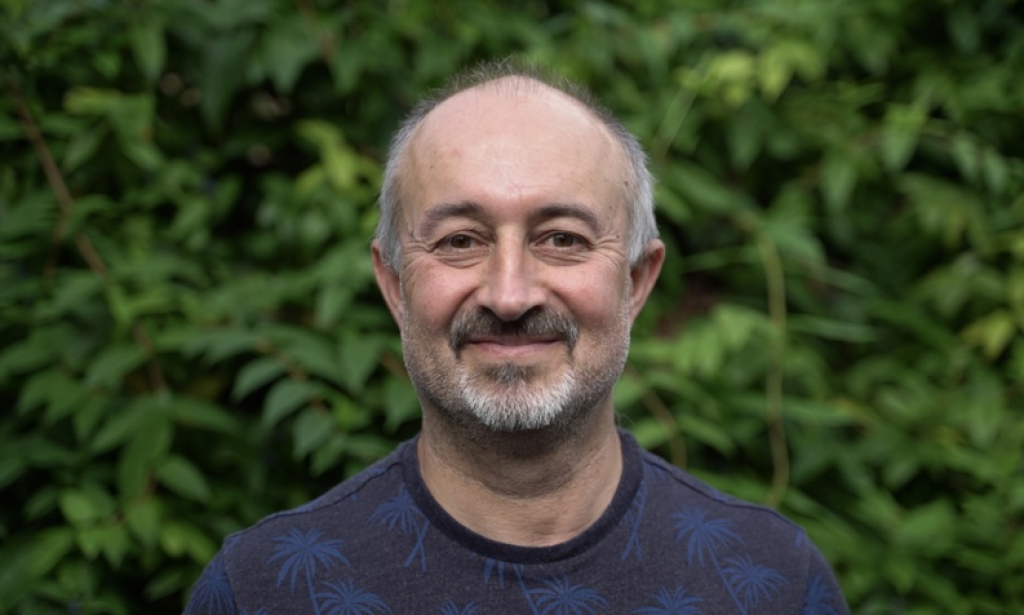
We begin with an interesting lecture by the British psychiatrist Sami Timimi. Timimi is one of the critical voices, and he has written several books and scientific articles about the ADHD diagnosis, including the bestseller Searching for Normal – A new approach to Understanding Mental Health, Distress and Neurodiversity. You can read more about him here: www.samitimimi.co.uk
After the lecture, there will be a break with coffee, tea, and light refreshments.
We continue with short presentations where Faroese authorities and institutions contribute to the important debate about the ADHD diagnosis and treatment. Should the dominant biological-medical understanding of ADHD continue to determine how we help children, young people, and adults? Or should the critical voices and diversity be given more space? Are we beginning to see doubt – like authorities in, for example, Denmark and England?
The purpose of the event is to create an open and respectful debate about the different perspectives surrounding ADHD. The organizer hopes the event will help ensure that there is also space for the critical voices – because they are here, and they will not disappear.
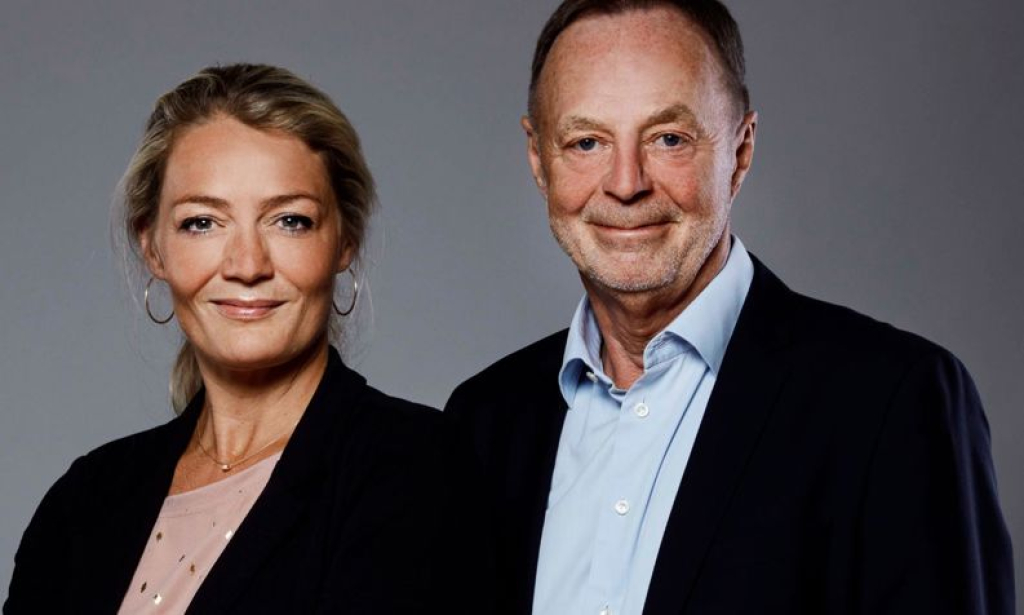
Organizer: Gitte Klein and Suni Poulsen
Bústaður
Nordic House - Norðurlandahúsið
14 Norðari Ringvegur
Tórshavn


Dato og atgongumerkir
Dato
Serstak:
Hvønn:
Mánadag
Týsdag
Mikudag
Hósdag
Fríggjadag
Leygardag
Sunnudag
Prísur
Ókeypis
kanna tøkar dagar
Øki / Bólkar