



FOOTBALL | THE RISE OF THE UNDERDOG
Parts of this story first appeared in Gløry Magazine, 1st Issue (2016). We’ve picked out some highlights here — with their blessing.
Link Copied!

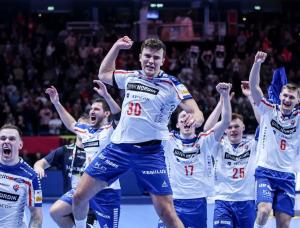
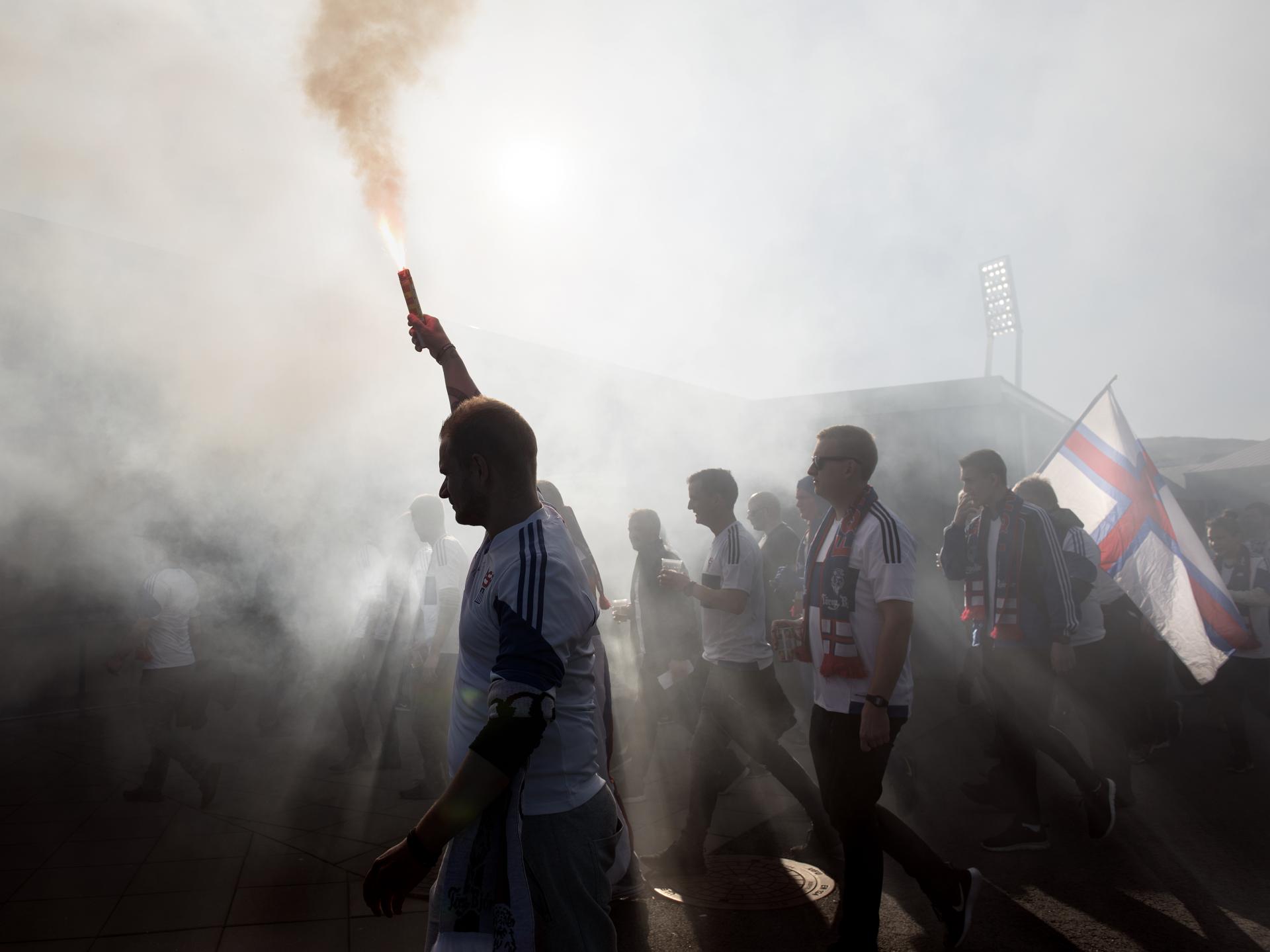
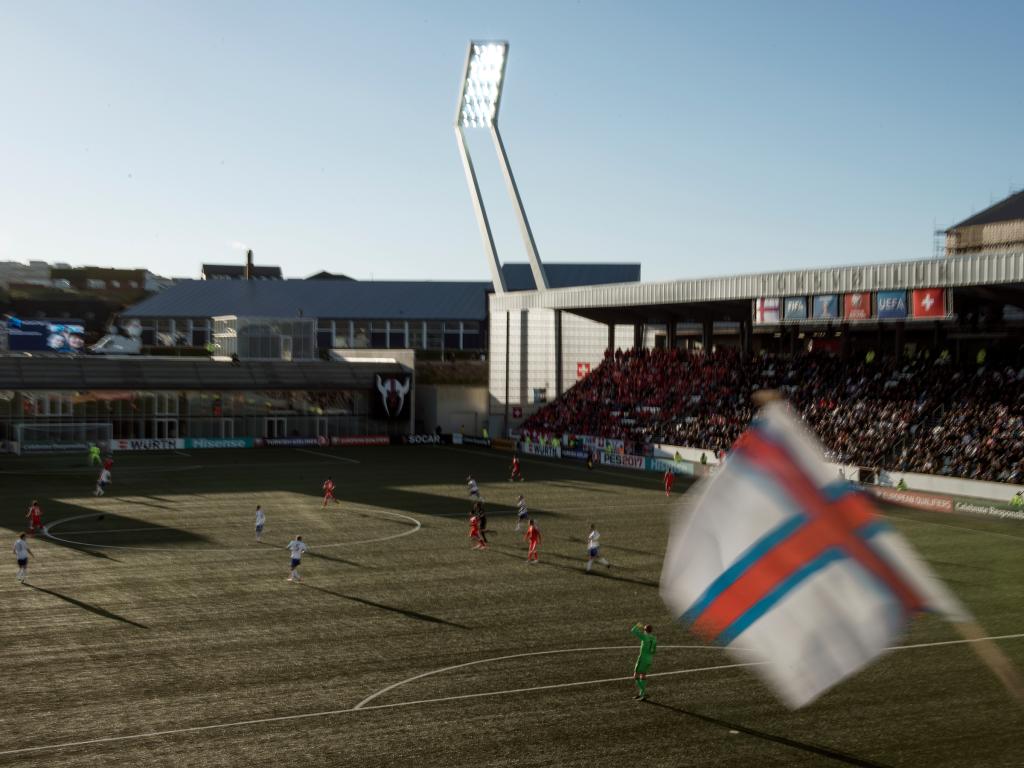
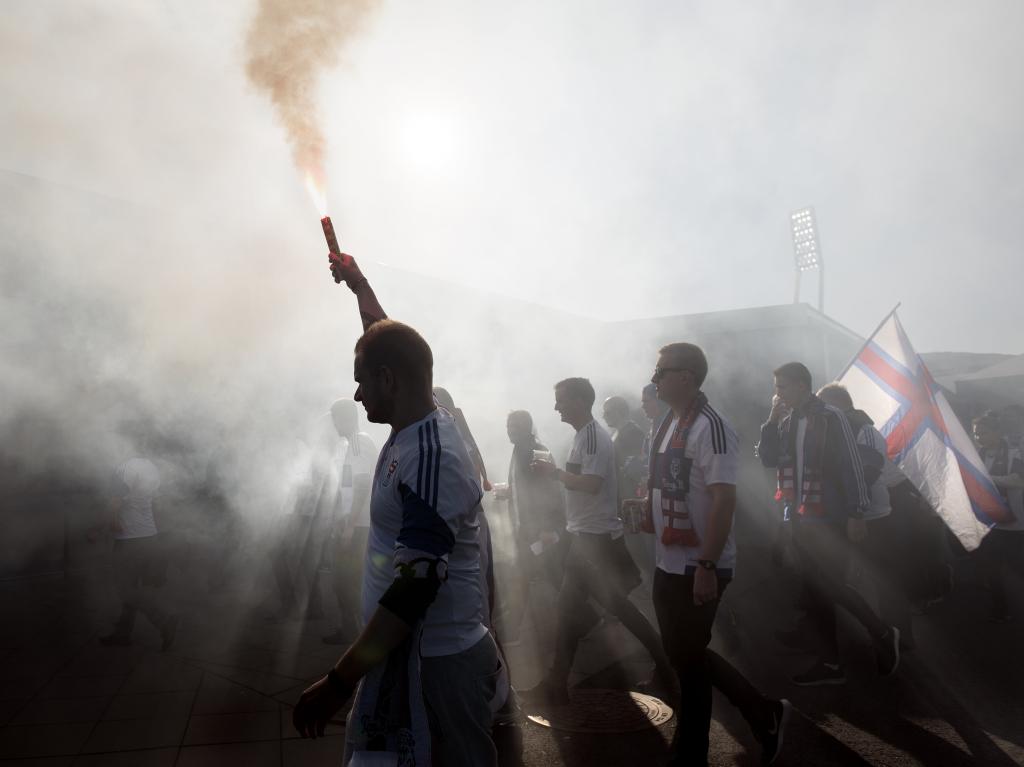
The Faroe Islands are one of the most passionate, football-loving countries you could visit. A recent index revealed that the Faroe Islands is the most supported national side in the world based on population. What other country can claim that 10% of its population turns out for domestic and international games?
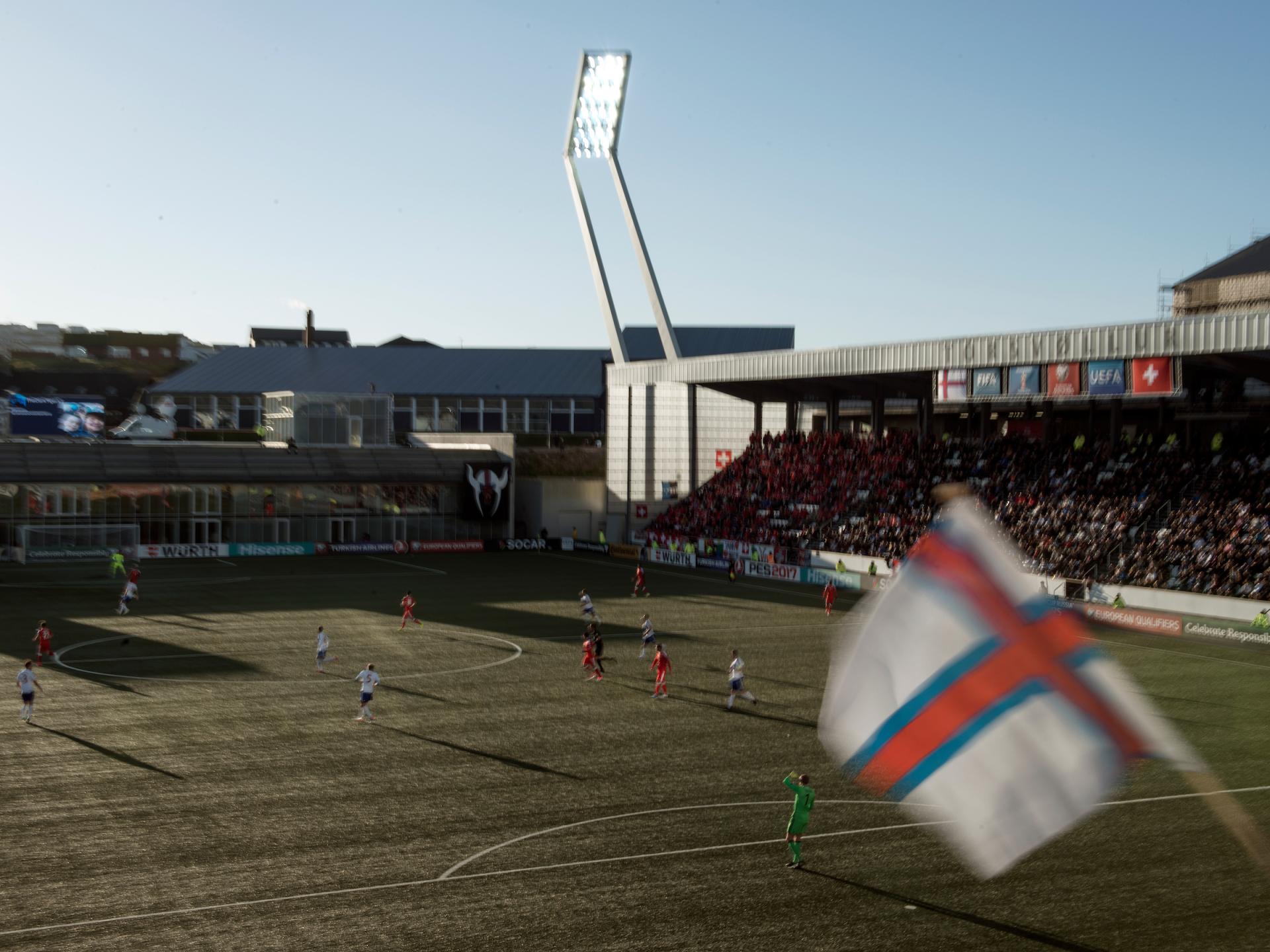
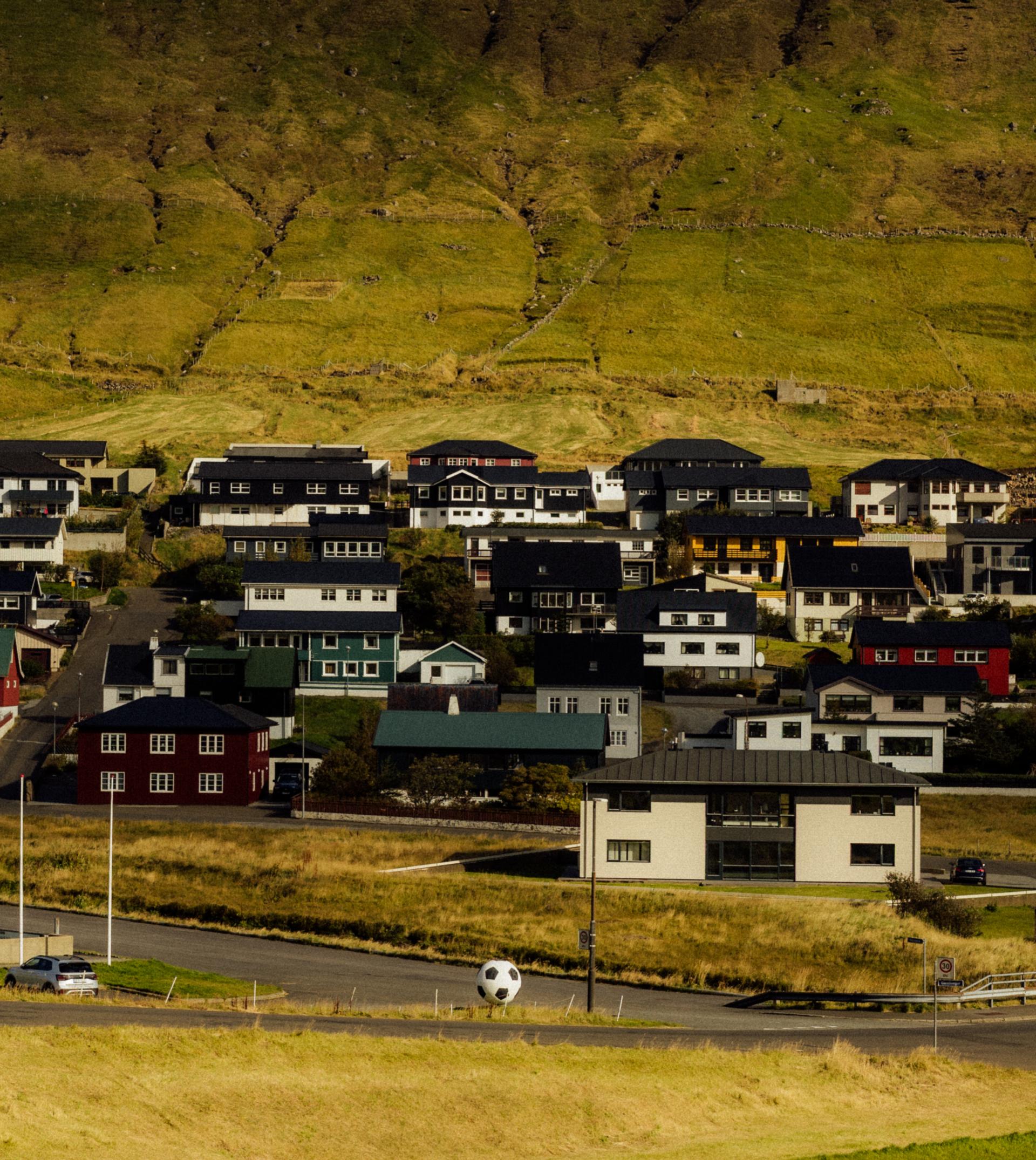
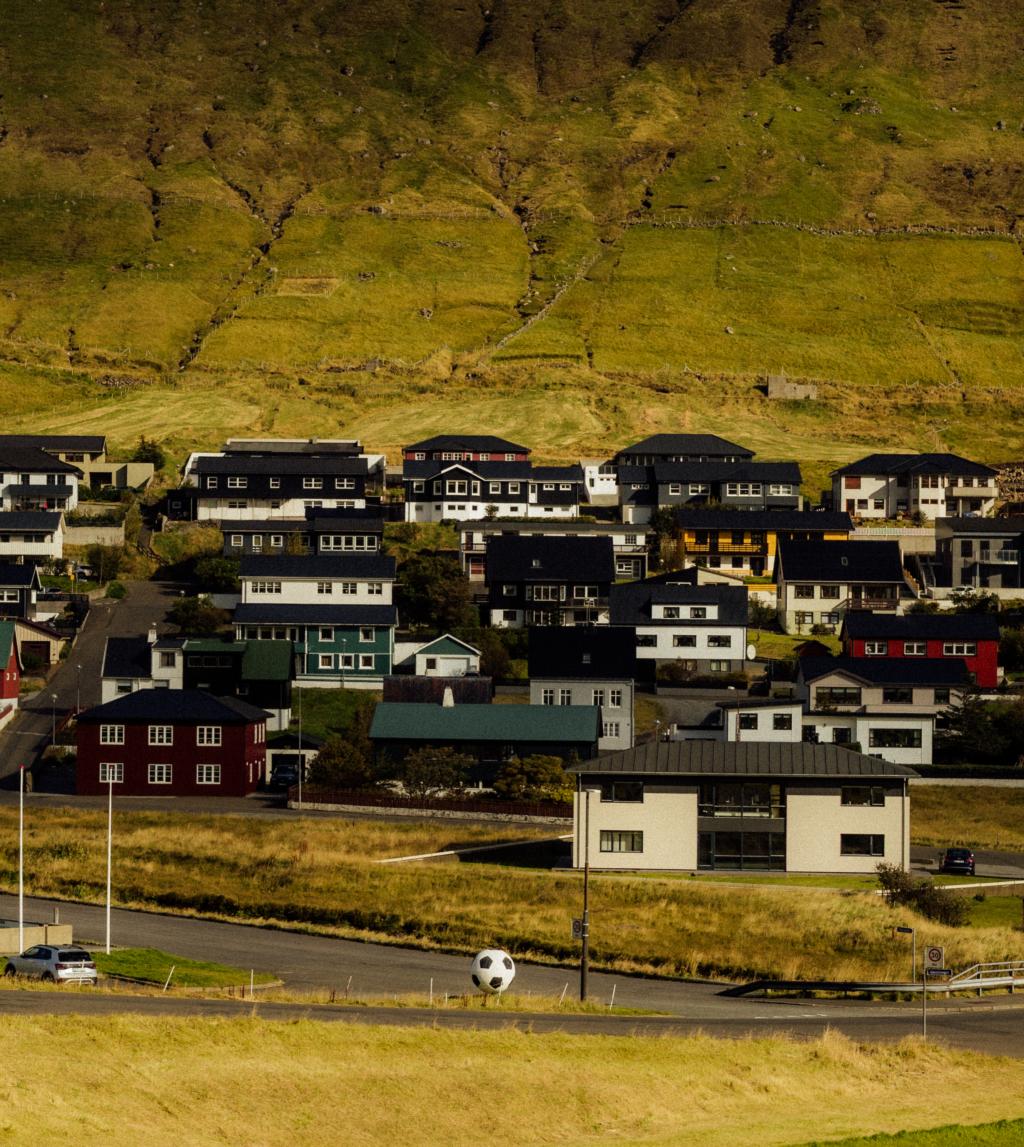
The essence of football is everywhere in this beautiful country, from seeing a football pitch in almost every village, hand-painted goals by the Tórshavn docks to sleek artificial pitches built in tiny fjord-side villages. The Faroe Islands is one of the most stunning landscapes in which to play and witness the beautiful game.
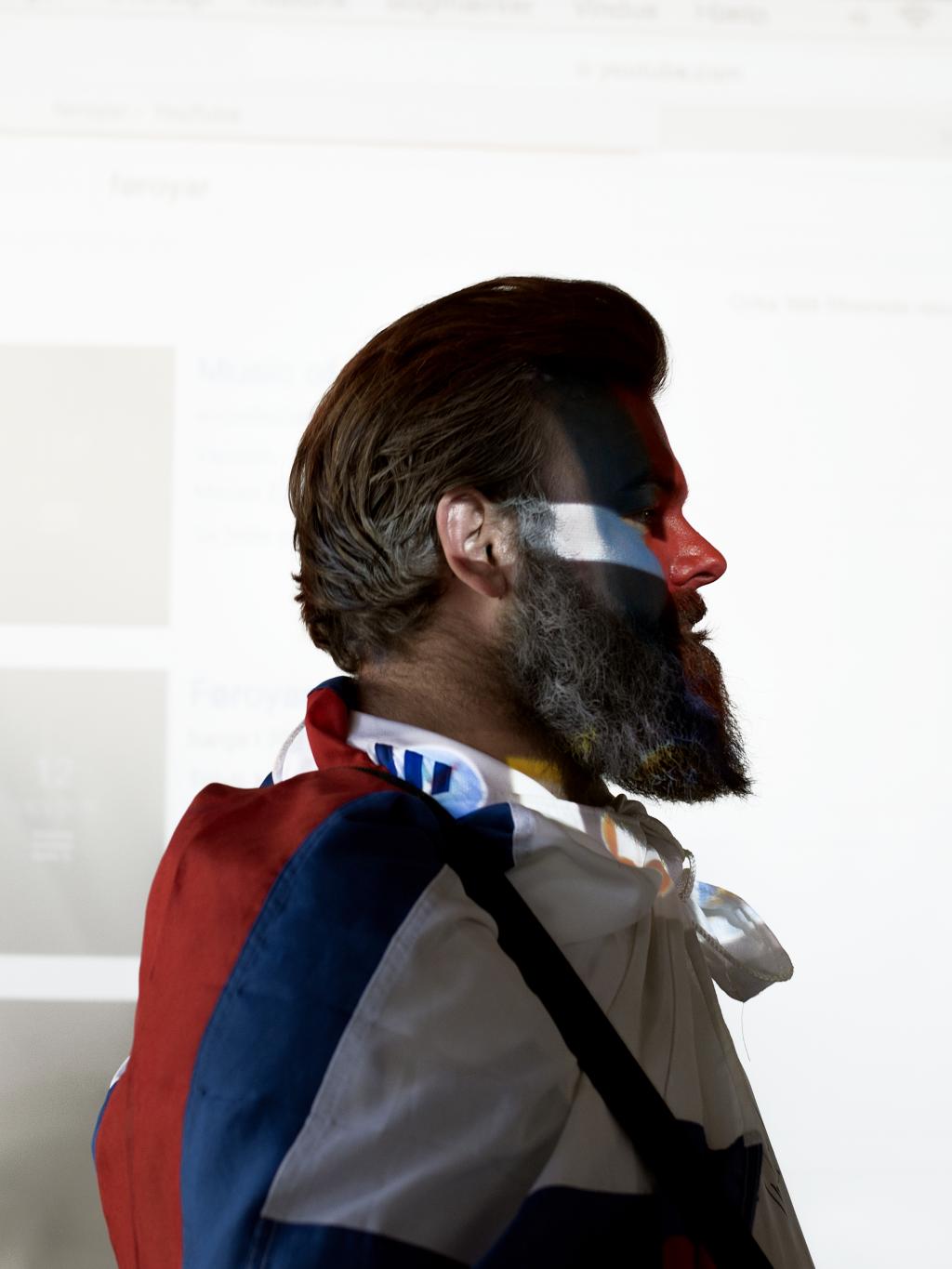
The Faroe Islands? Why?” This was pretty much the standard response when we told people where the launch issue of our new football magazine was to be set. Well, why not? The Faroe Islands made a compelling case for being the star of Glory issue #1.
The playground of the weather gods
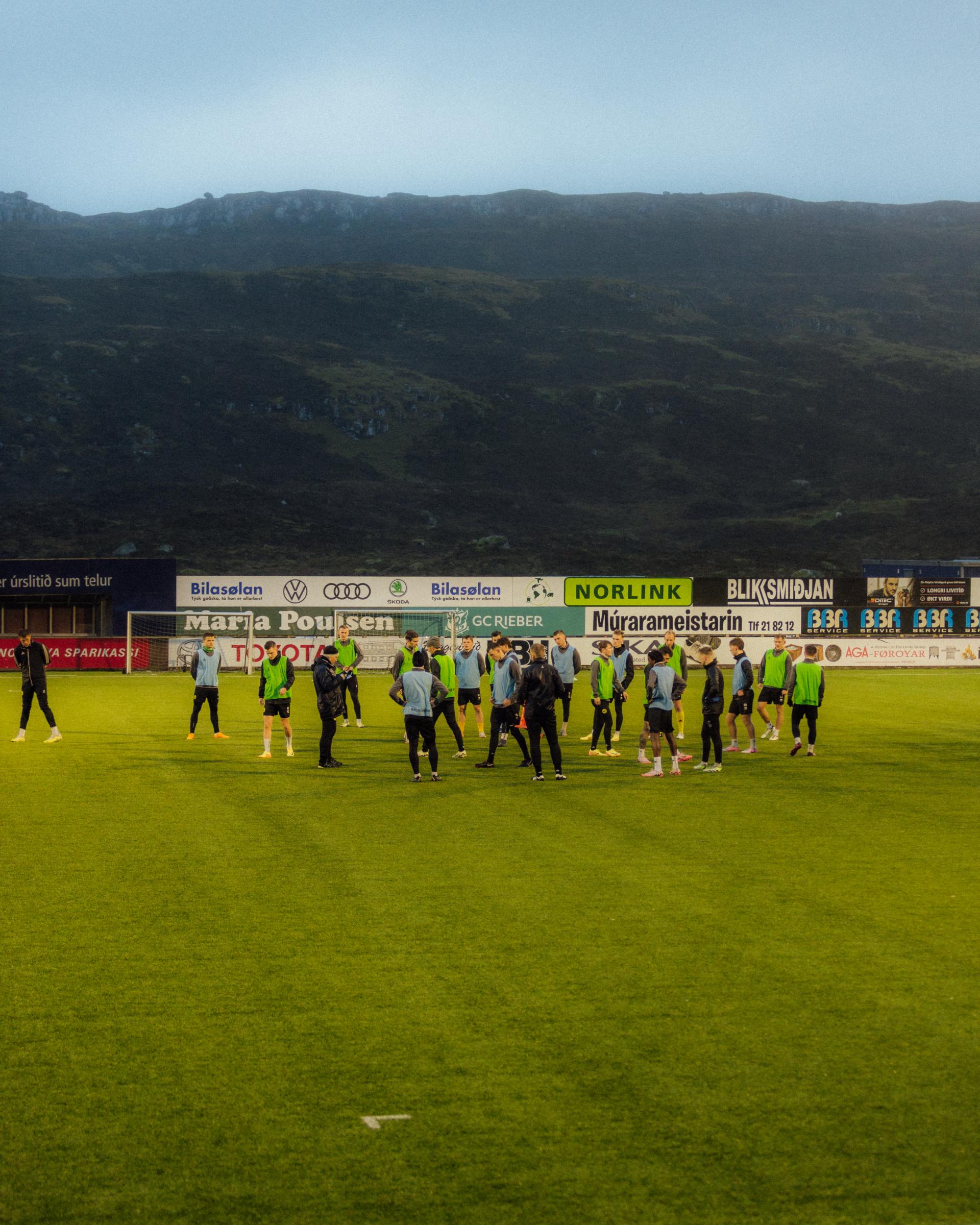
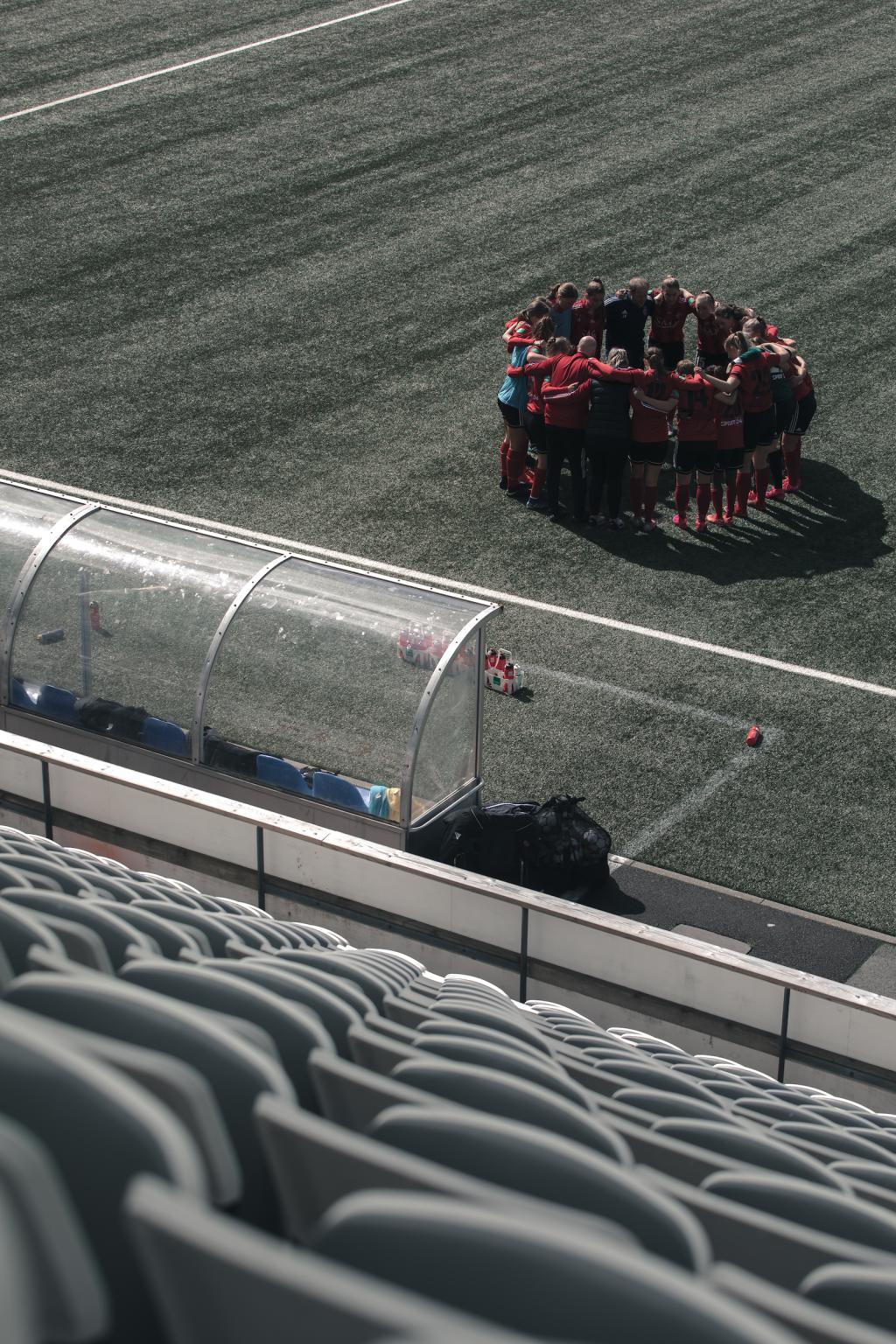
Matches are played in the shadow of great cliffs, or in reach of salt spray blown in off the frigid ocean. Many grounds lack seats – let alone terraces and awnings – so fans brave the elements on their feet. Older Faroe Islanders can remember a time when matches were played on sand, rather than artificial turf.
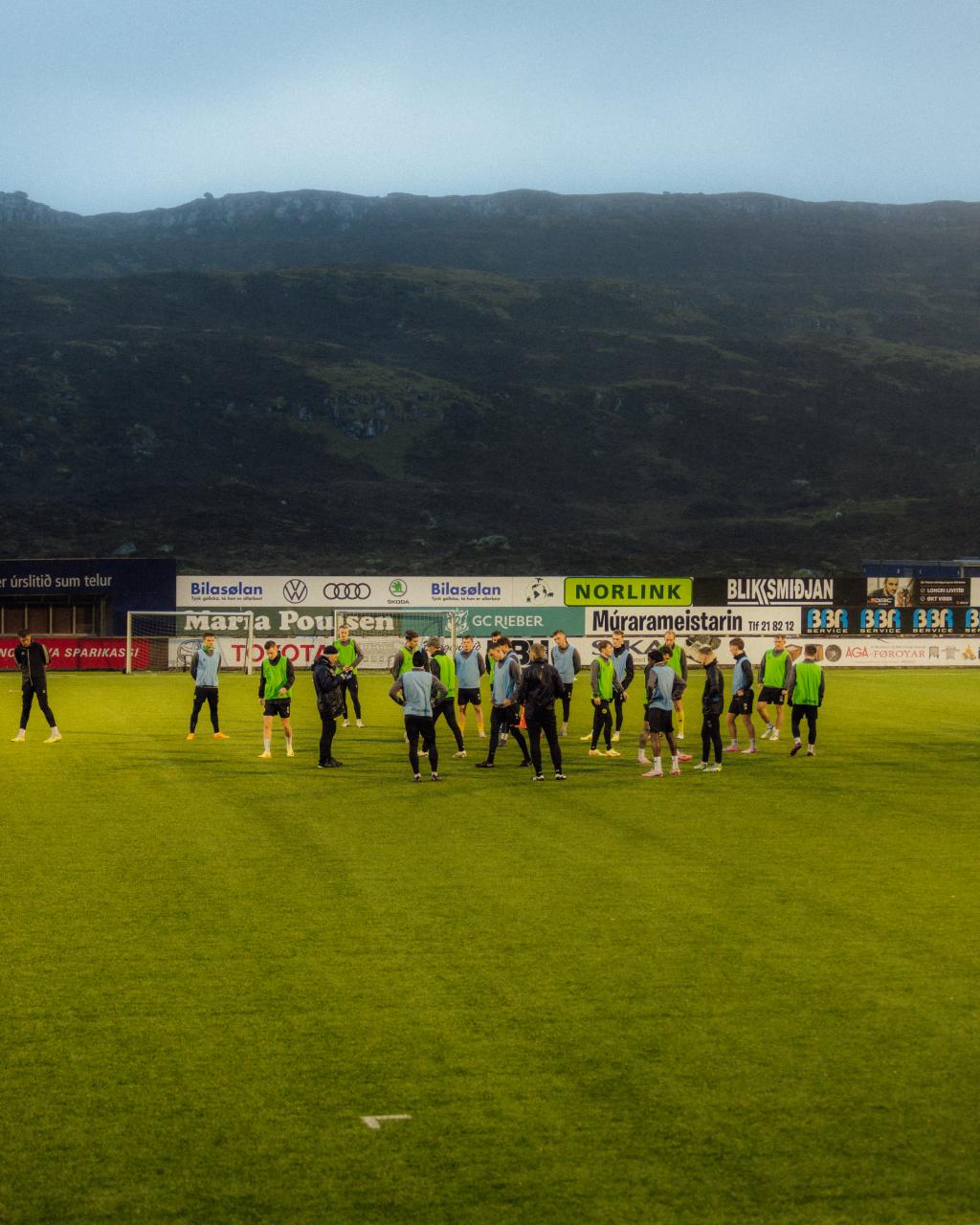
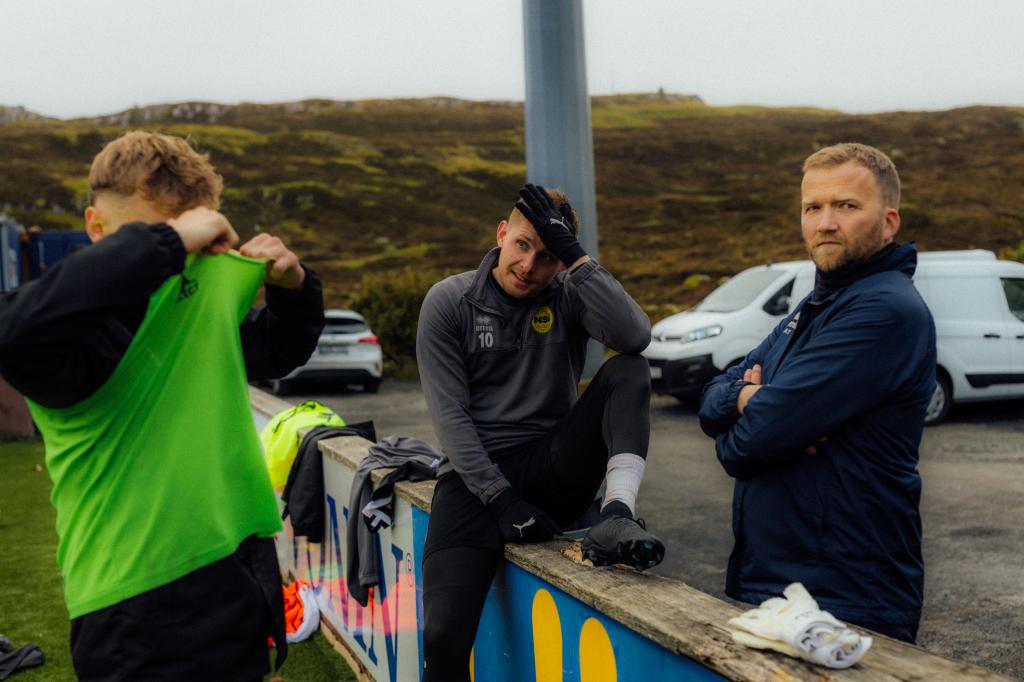
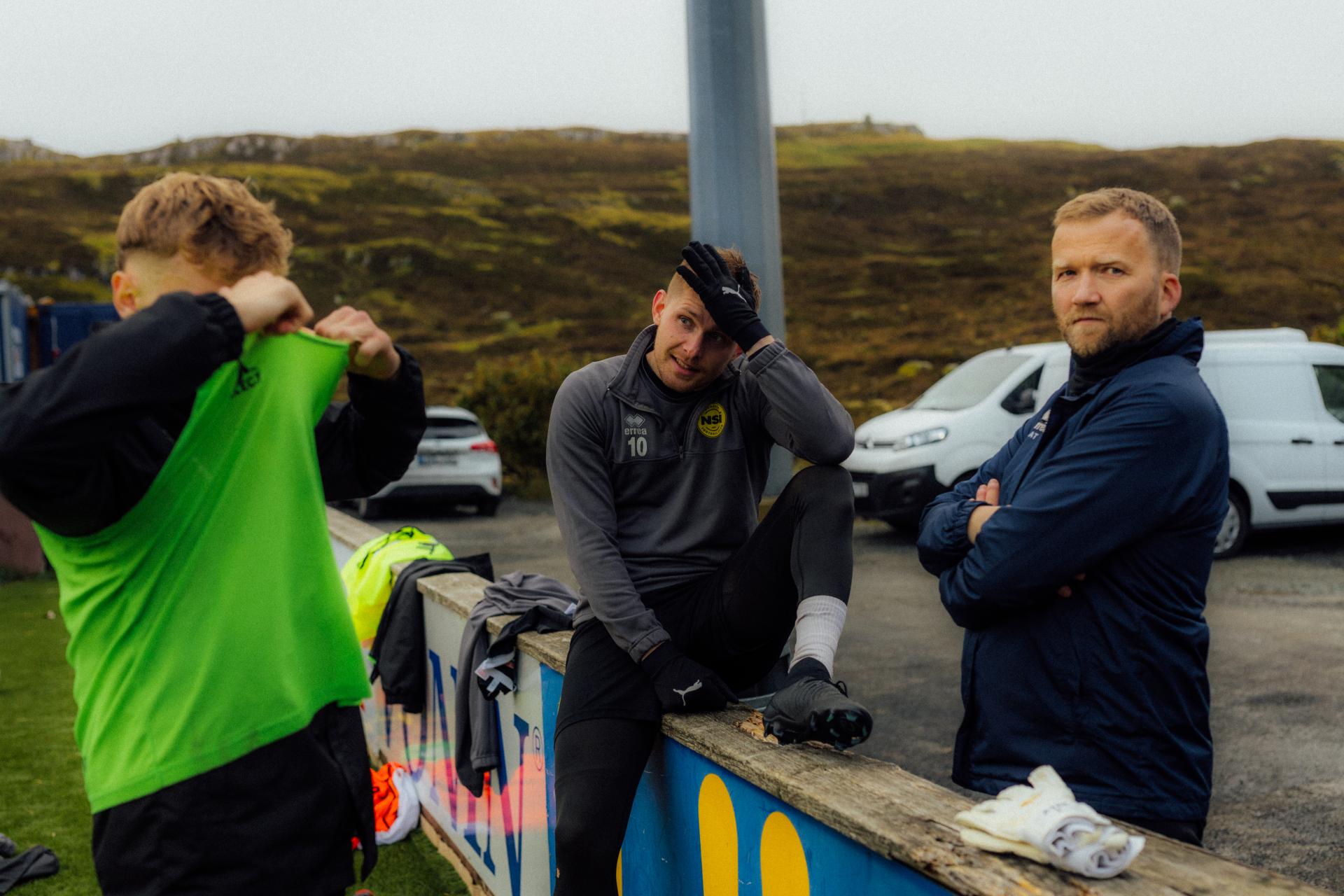
The majority of players are semi-professional, with day jobs ranging from carpenters to prison guards."
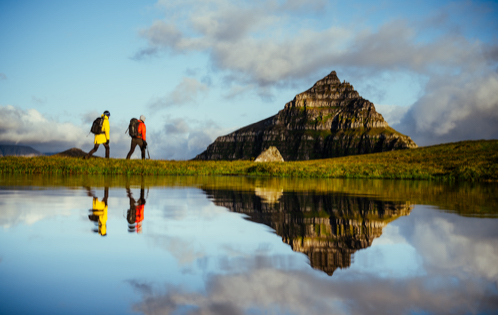
Visitors are drawn here by the Faroes’ unique bird life, their excellent hiking and the chance for a taste of remote, self-sufficient island life. There’s a burgeoning arts movement, and even an LGBT festival every summer. The Faroe Islands, however, face a problem familiar to isolated communities all over the world. Islanders are increasingly being lured away by the promise of the mainland, where jobs and opportunities are greater than they can find back home. The same is true of the islands’ most talented footballers.
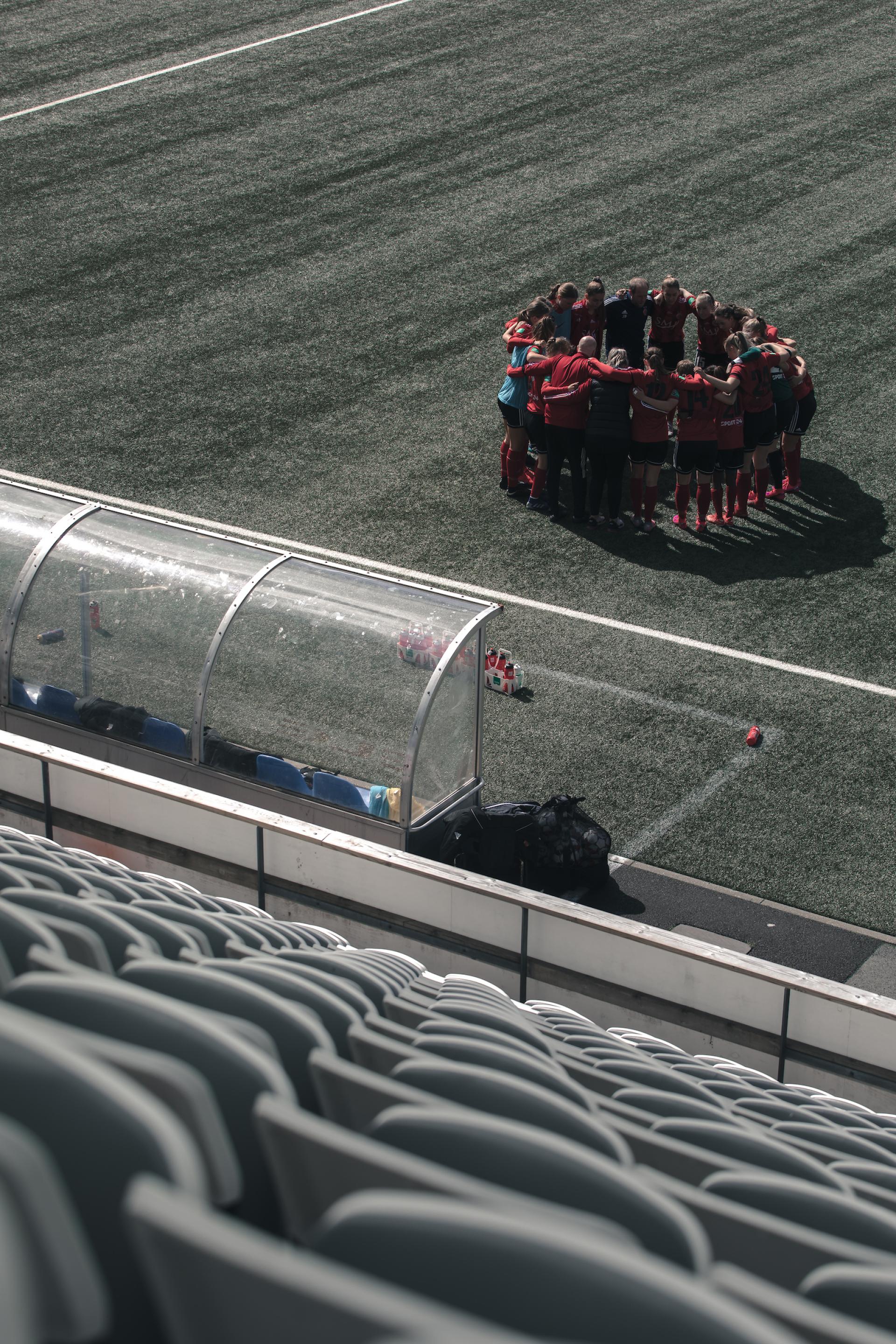
Of the 11 players who started the Faroes’ last match, only three play league football in their homeland. Most play in Denmark, where the clubs are richer and the crowds larger. It’s safe to say, however, that the Faroe Islands will never be found wanting for players or fans of the beautiful game. Premier League teams let local children and other amateurs use their pitches between games, while the players themselves – whether exotic foreign imports or homegrown local boys – are essential members of the community with day jobs as carpenters, bakers, fishermen and shop workers. The isolated Faroe Islands are home to one of the world’s most unique and ingrained football cultures, and long may they remain so.
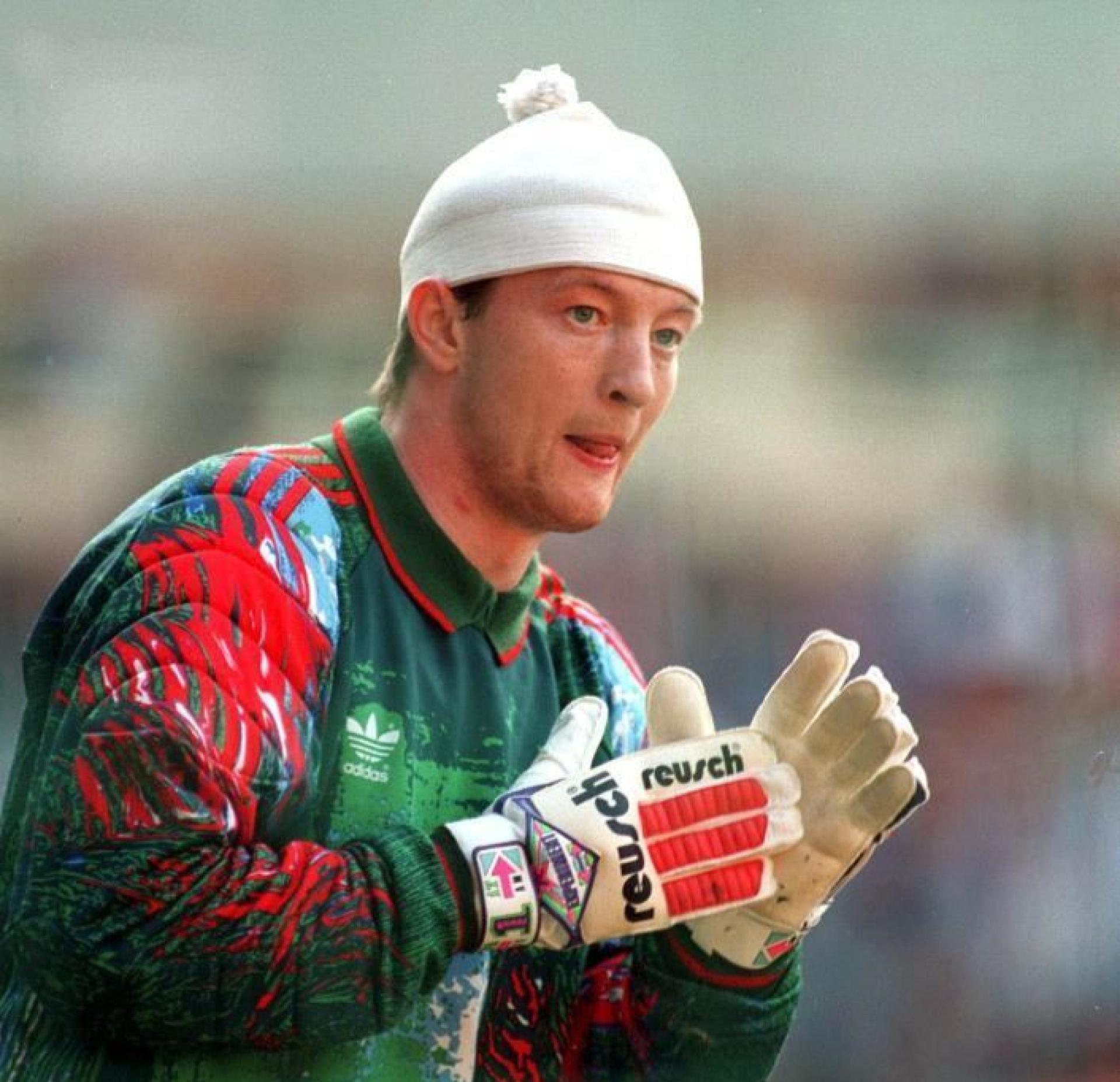
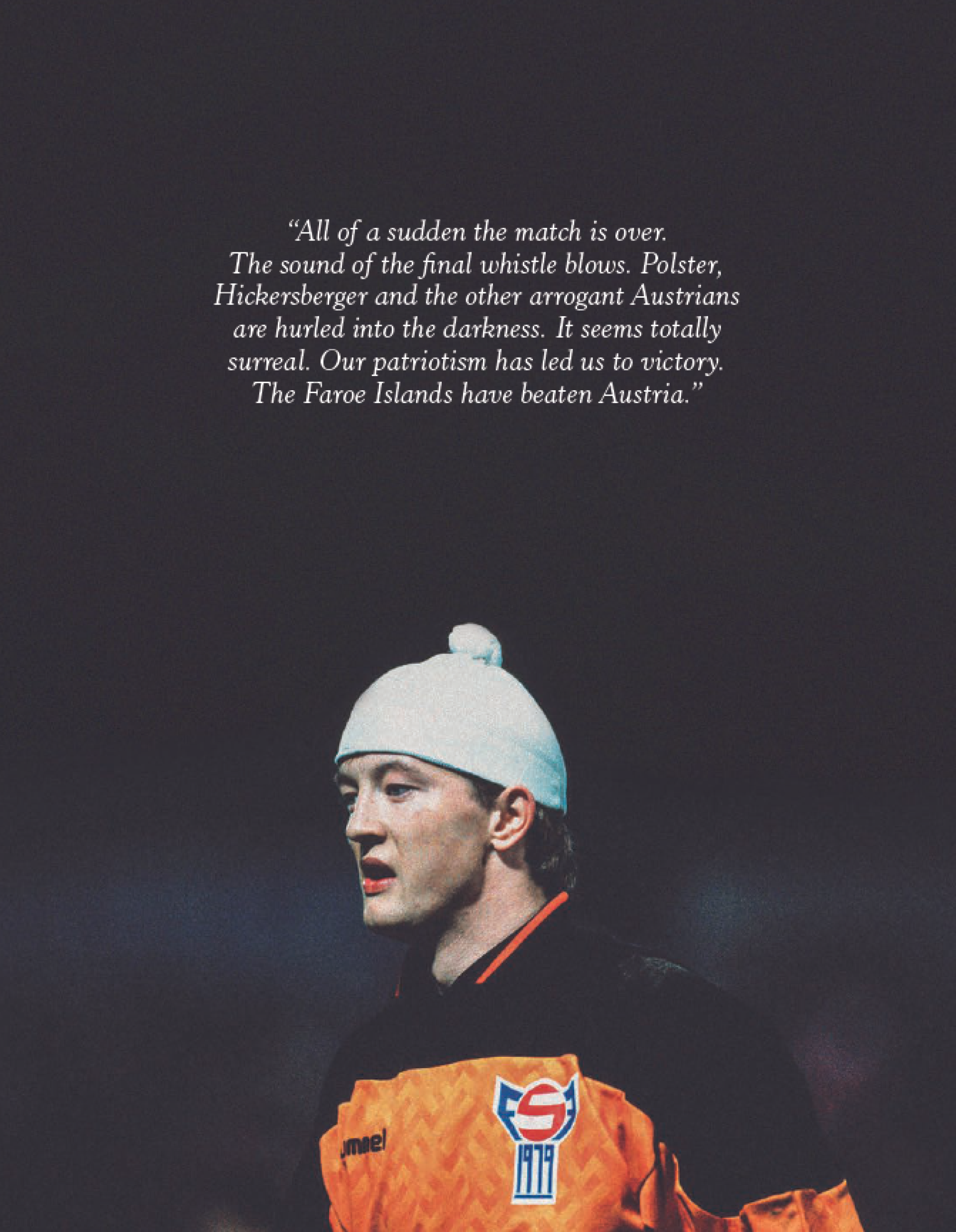
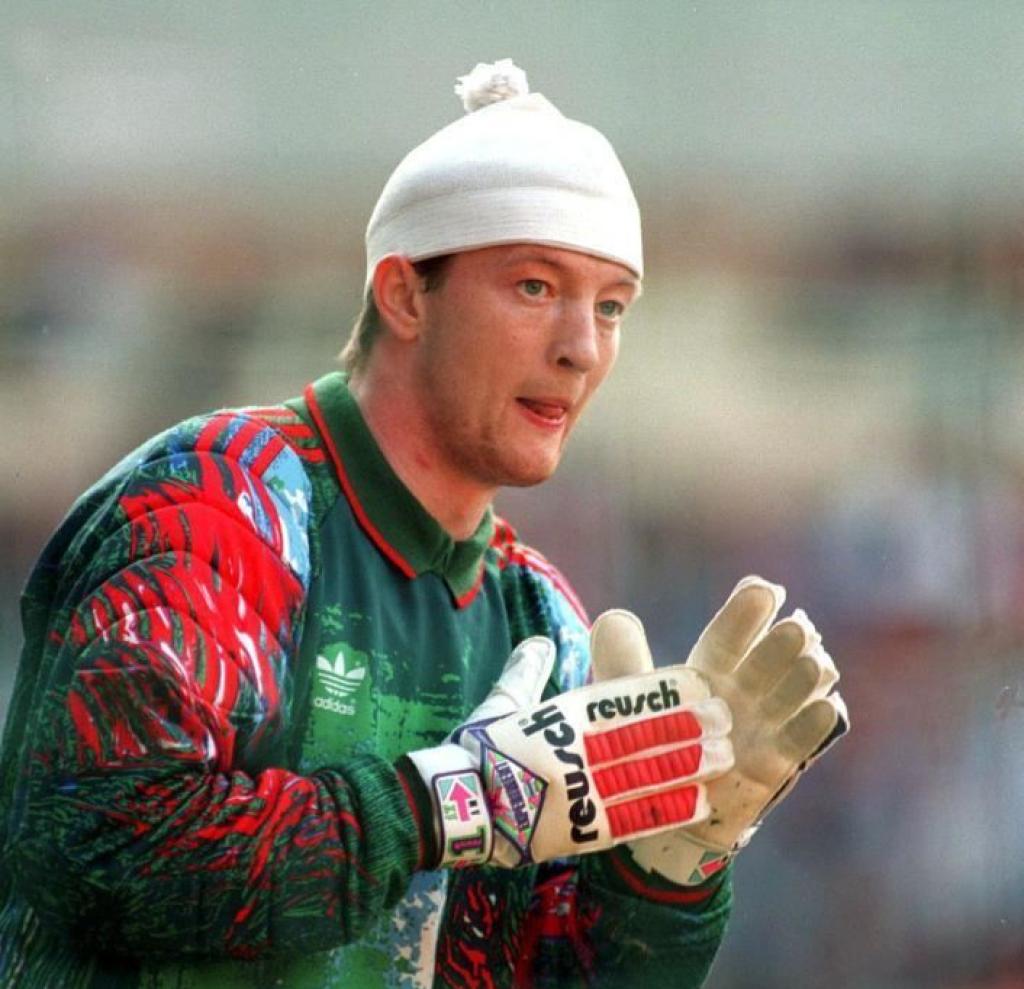
The man with the bobble hat
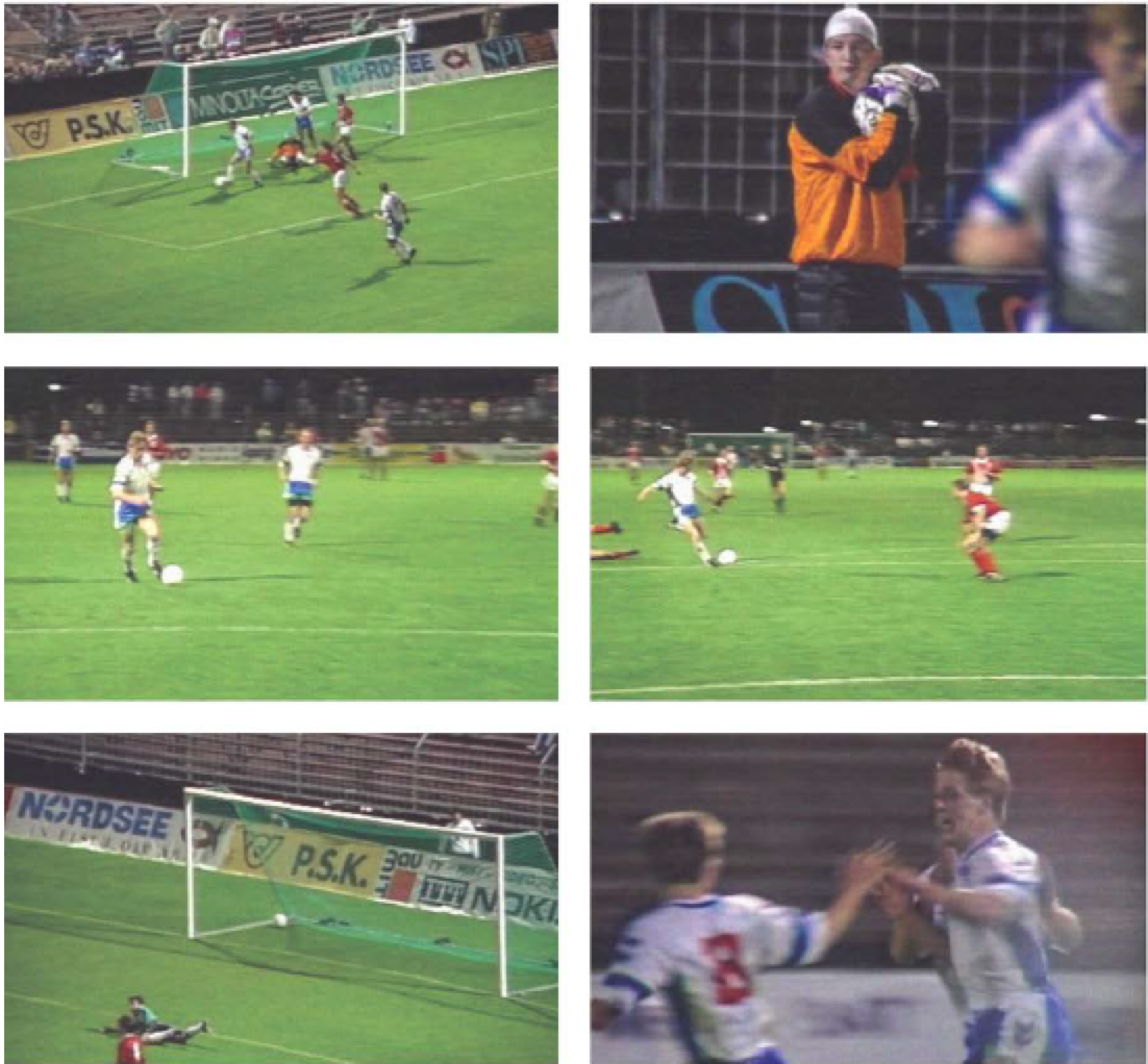
"It started on the 12th of September 1990, when the Faroe Islands drew Austria in their first competitive match of the UEFA Euro ’92 qualifying rounds. Austria had just come back from Italia ’90 with a star-studded squad featuring the likes of Polster, Rodax, Ross and Herzog. So confident were the Austrians that star striker Toni Polster predicted a 10-0 win in the lead-up to the game. However, all was not to pan out as foreseen."
~ This is Jens' account of that historic day.
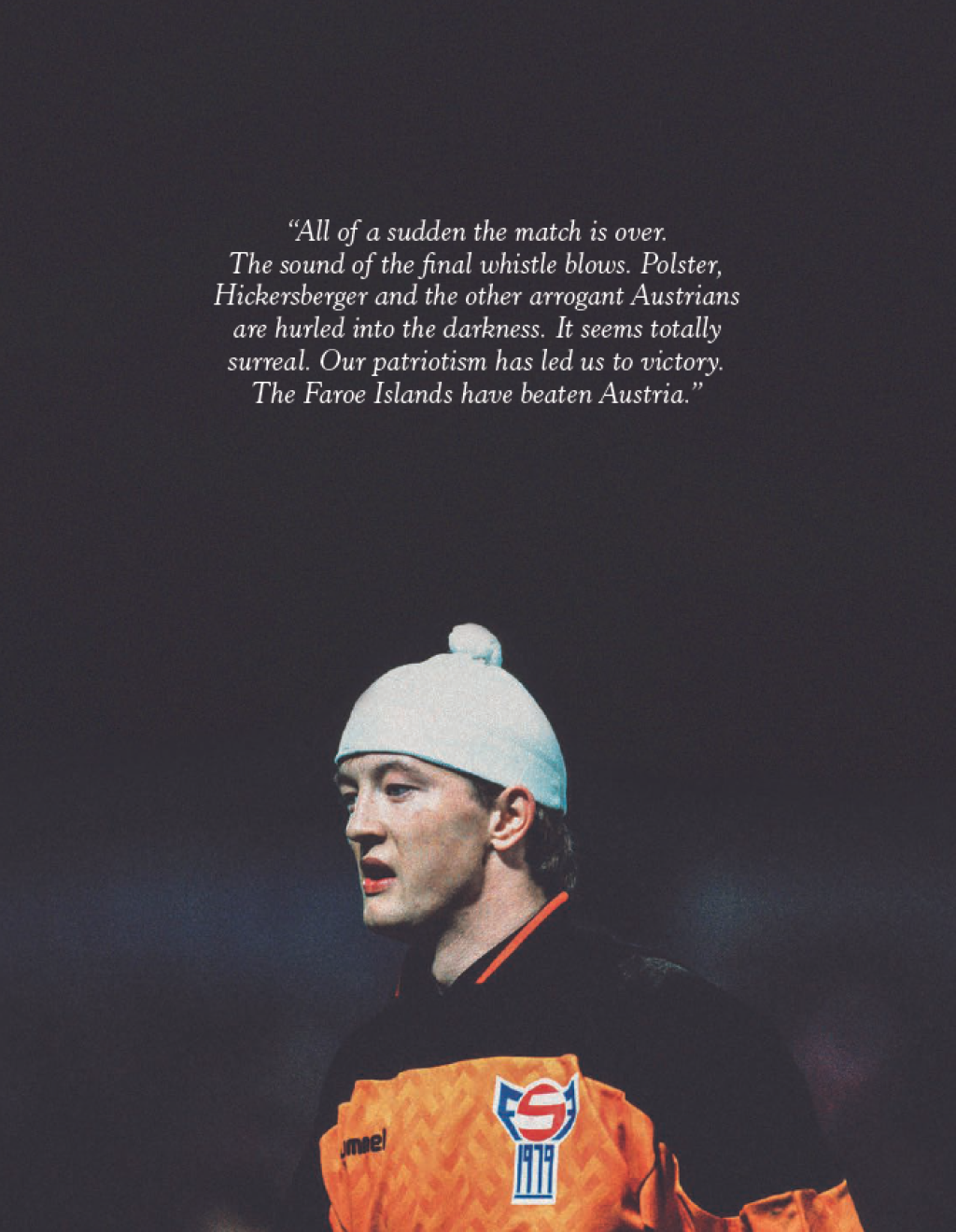
The Faroese media did extensive coverage prior to the match. One evening before the game, Árni Gregersen from Faroese television succeeded in getting a word with Josef Hickersberger, the Austrian team manager. Although slightly more mannerly than Toni Polster, Hickersberger is equally confident of a victorious outcome, stating that his men have to score goals from beginning to end.
Austria plans on strolling to a strong victory. There are no precautions taken whatsoever. They refuse to practice on the field in Landskrona. For the Austrians, the football-happy amateurs from the north Atlantic are just a matter of execution. The Faroese team try to be optimistic. “Everything under 5-0 is acceptable”, is their mindset. Nobody expects the tiny Faroese nation – with a population of 50,000 – to ever stand a chance against Austria with its eight million inhabitants. It is quite simply a set-up for disaster.
~
"Páll Guðlaugsson, the Faroe Islands coach, has neither control of himself nor of the situation. He hasn’t got the slightest clue how he’s going to go about things. It is here that assistant coach Johan Nielsen calmly reminds us that we haven’t arrived anywhere yet.
Guðlaugsson makes no changes, but he knows that we won’t have the energy to run after them for another half. Game-wise we’ve only managed to defend ourselves to the best of our ability before the break. On the other hand, the Austrians have only managed two shots on goal. It’s still goalless. The Austrians are speechless. But their real downfall is looming right around the corner."
~
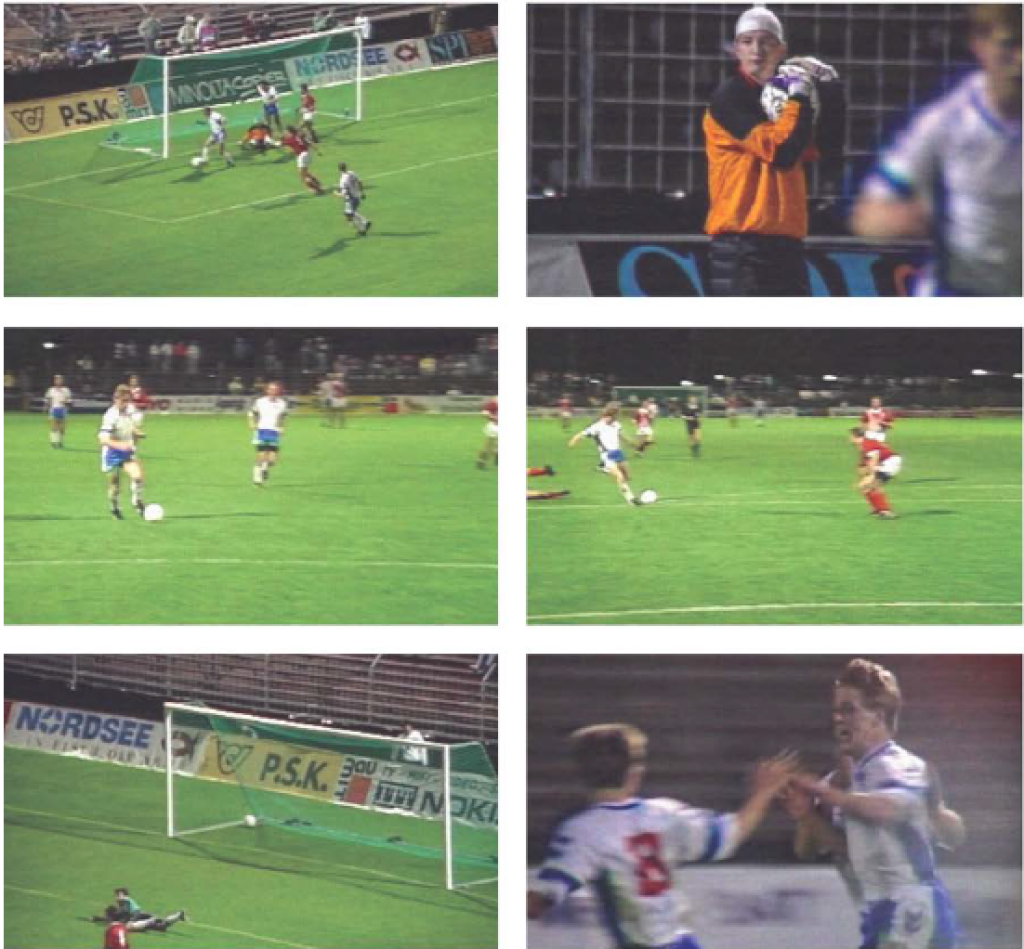
Ninety minutes on the football field in Landskrona awakens the national pride and patriotism of the Faroese people, who are also starting to feel the sting of an economic crisis. Little did we know that the triumph would give way to a new era in Faroese football, marked by progress and financial growth. With Torkil Nielsen’s goal and Knudsen's goal defence in the startling victory against Austria, the Faroes have chiselled themselves into the minds of all football enthusiasts.
They received 3,300 Danish kroner as payment for their efforts. This helps make up for lost hours at the fish factory!