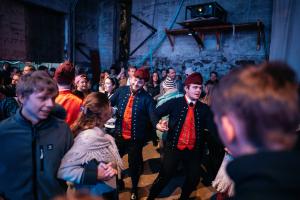




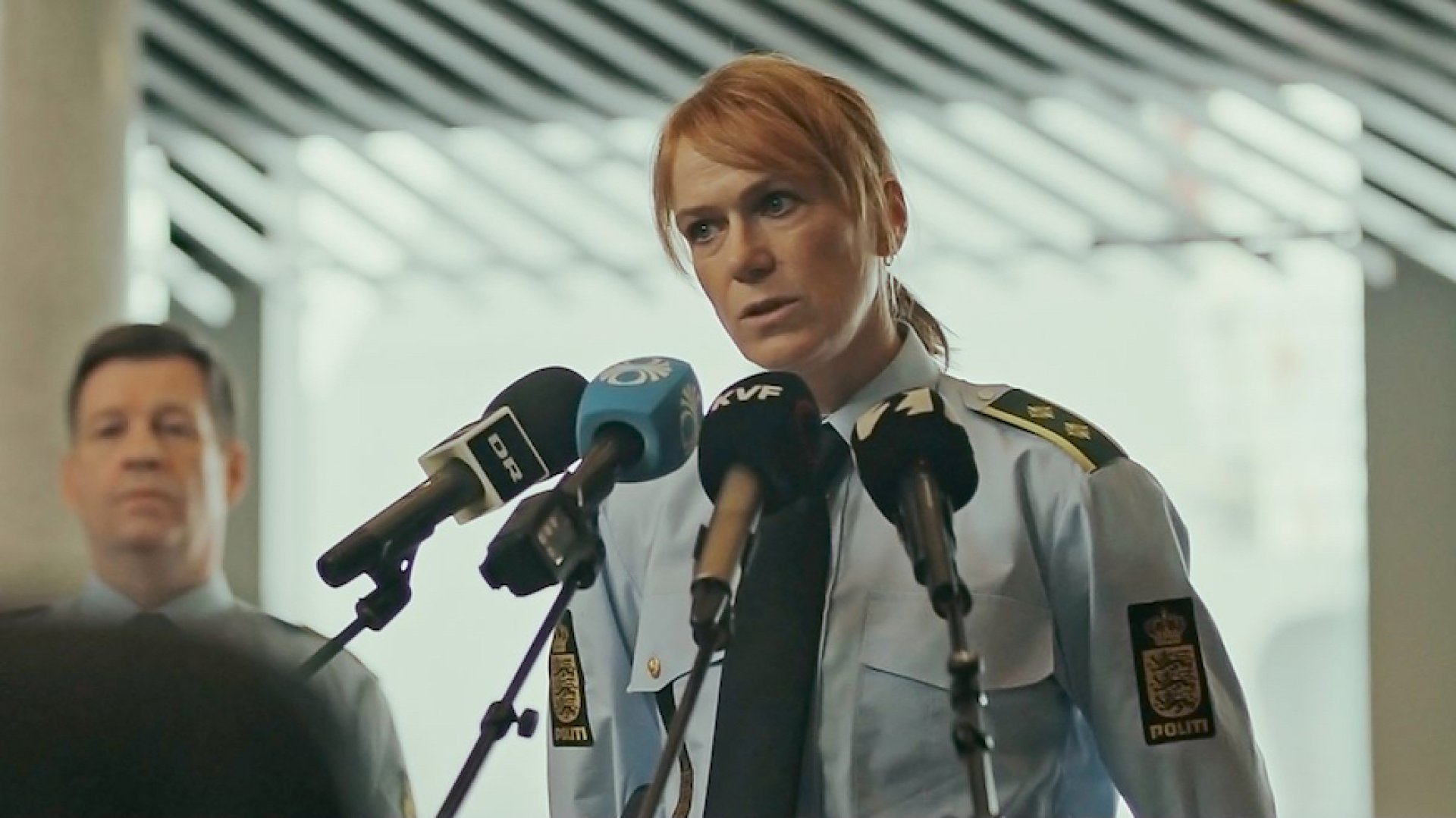
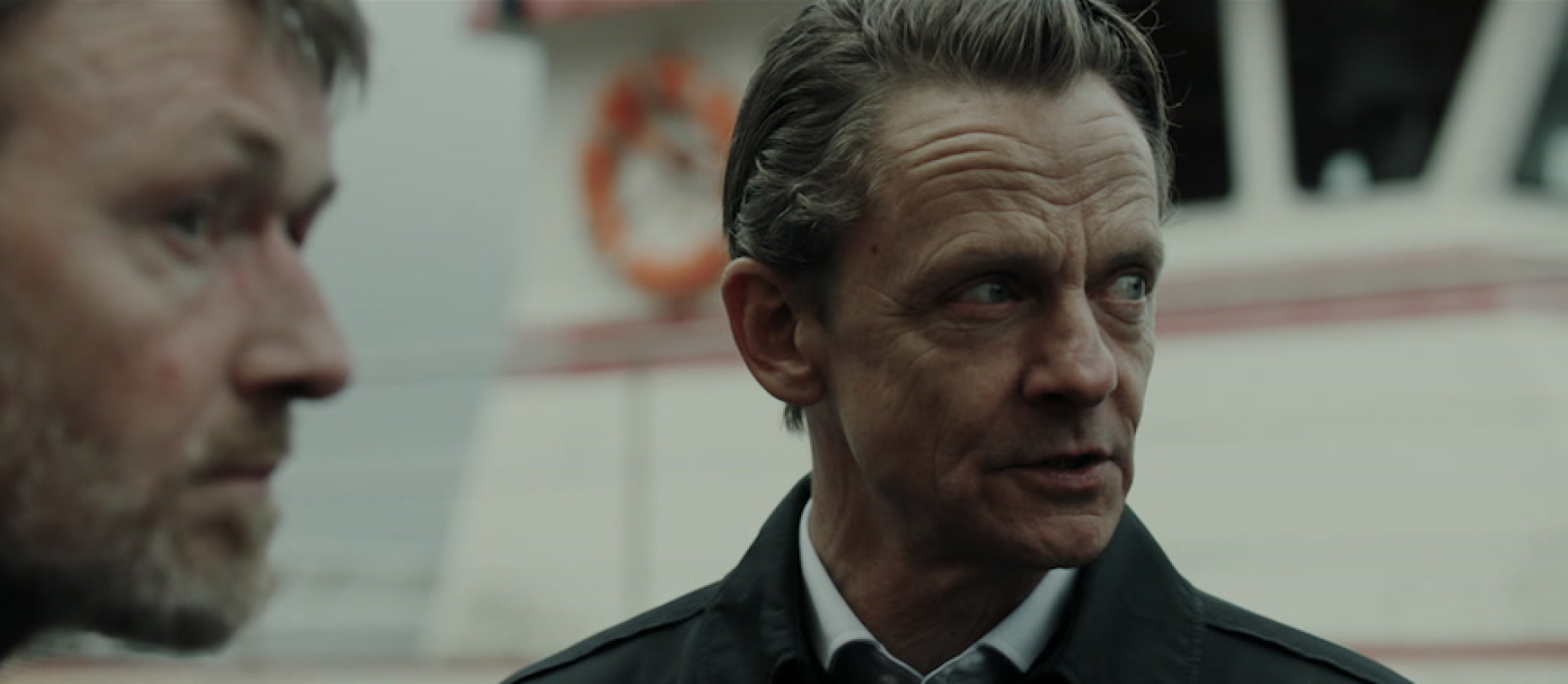
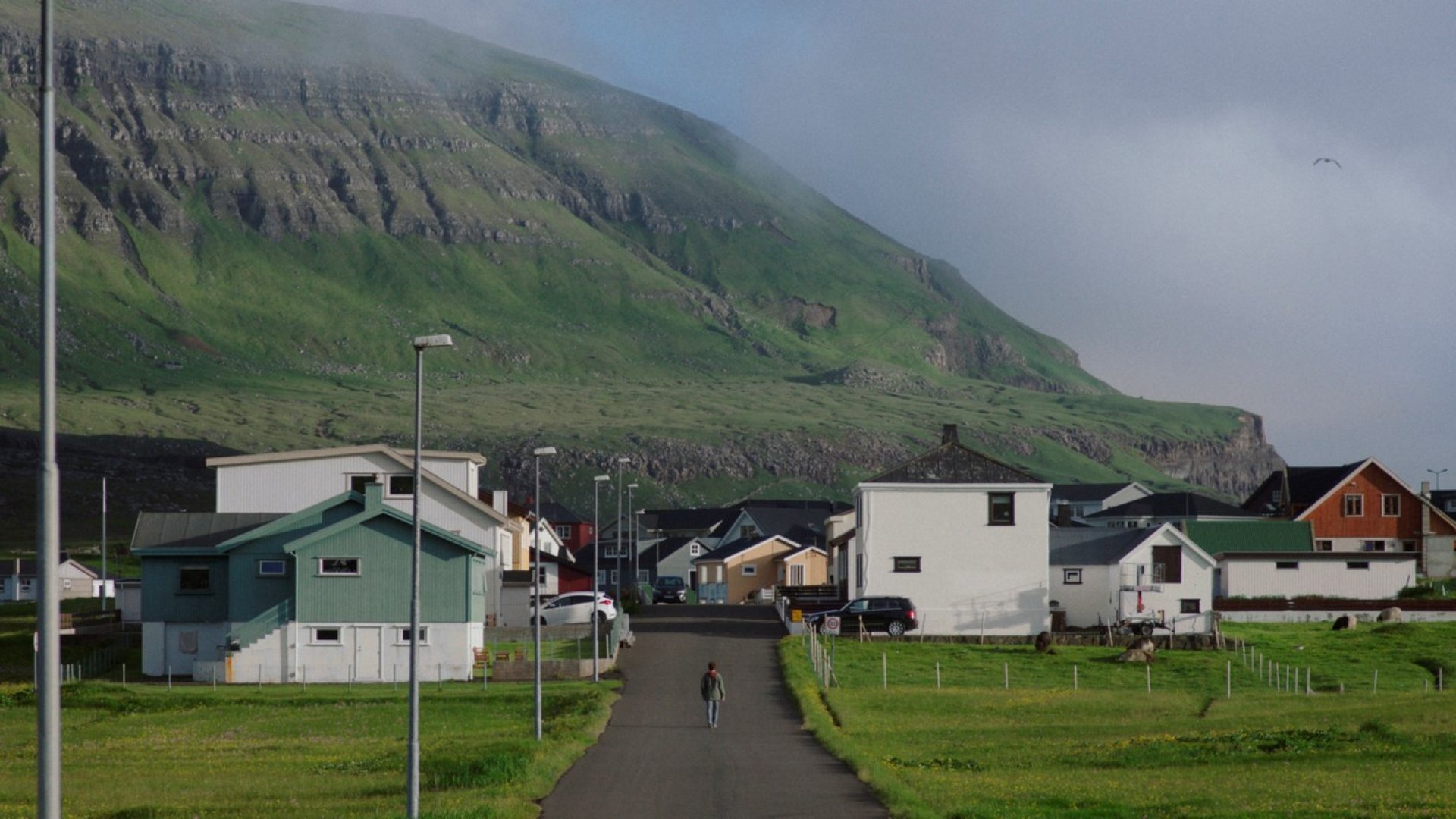

TV series ‘Trom’ (2022), created by Torfinnur Jákupsson, image provided by Viaplay DK
STORIES FROM THE EDGE OF THE WORLD
The Faroe Islands Through a Cinematic Lens
By Torfinnur Jákupsson
Link Copied!

I grew up in the Faroe Islands at a time when we had no real film or television industry of our own. We watched stories from elsewhere. American films, British drama, Nordic crime series. Despite growing up surrounded by some of the most cinematic landscapes imaginable, I rarely saw the Faroes reflected back at me on screen.
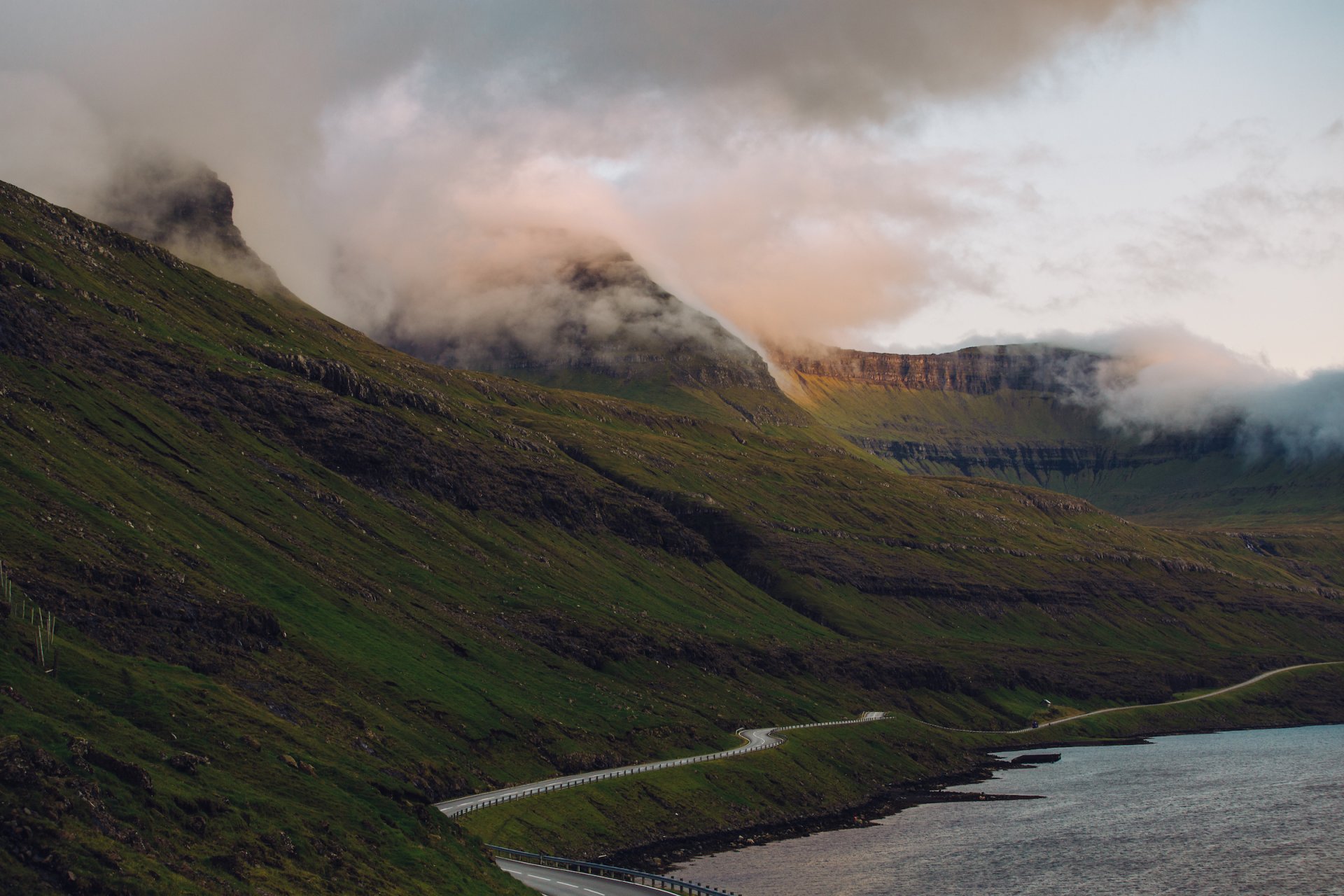
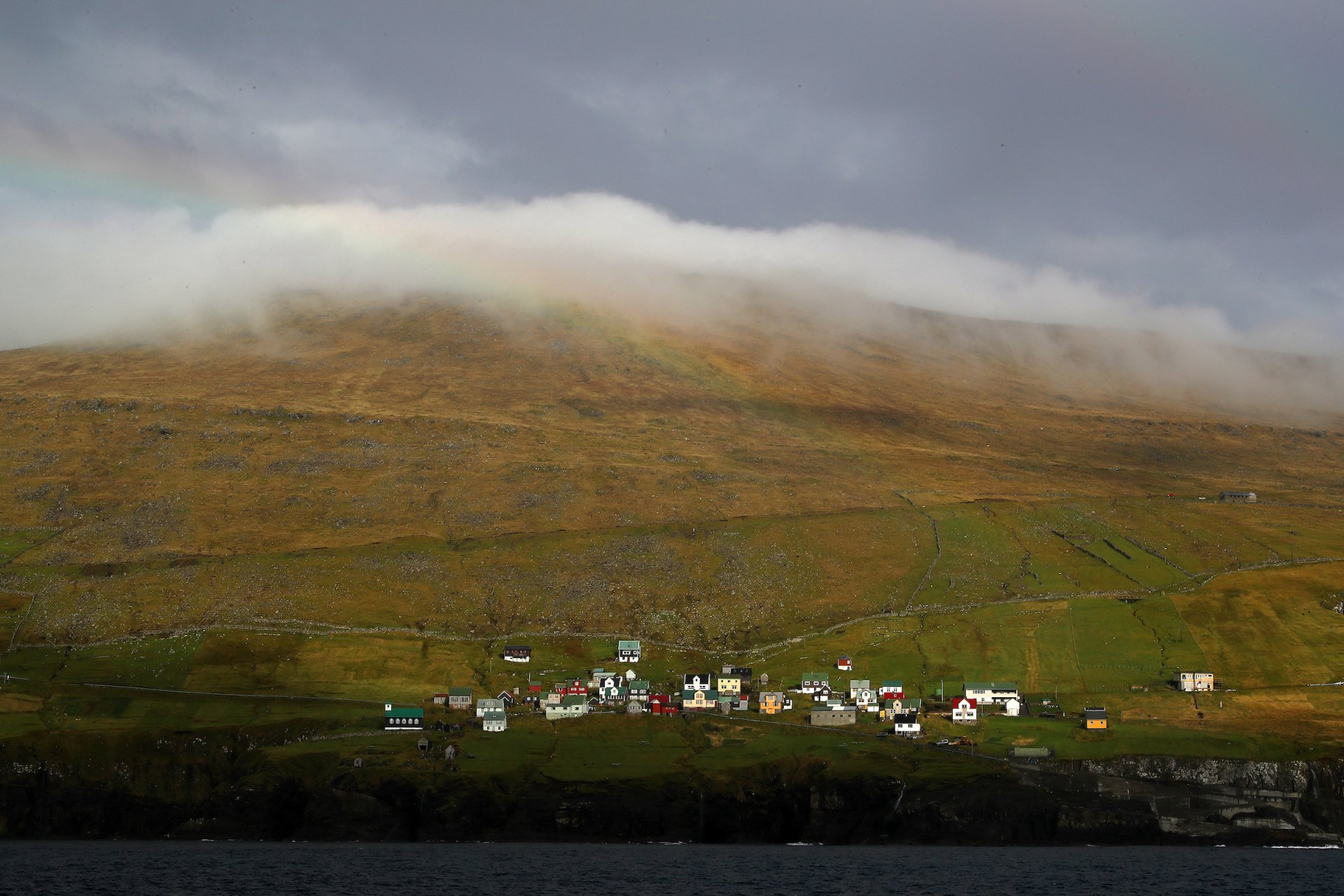
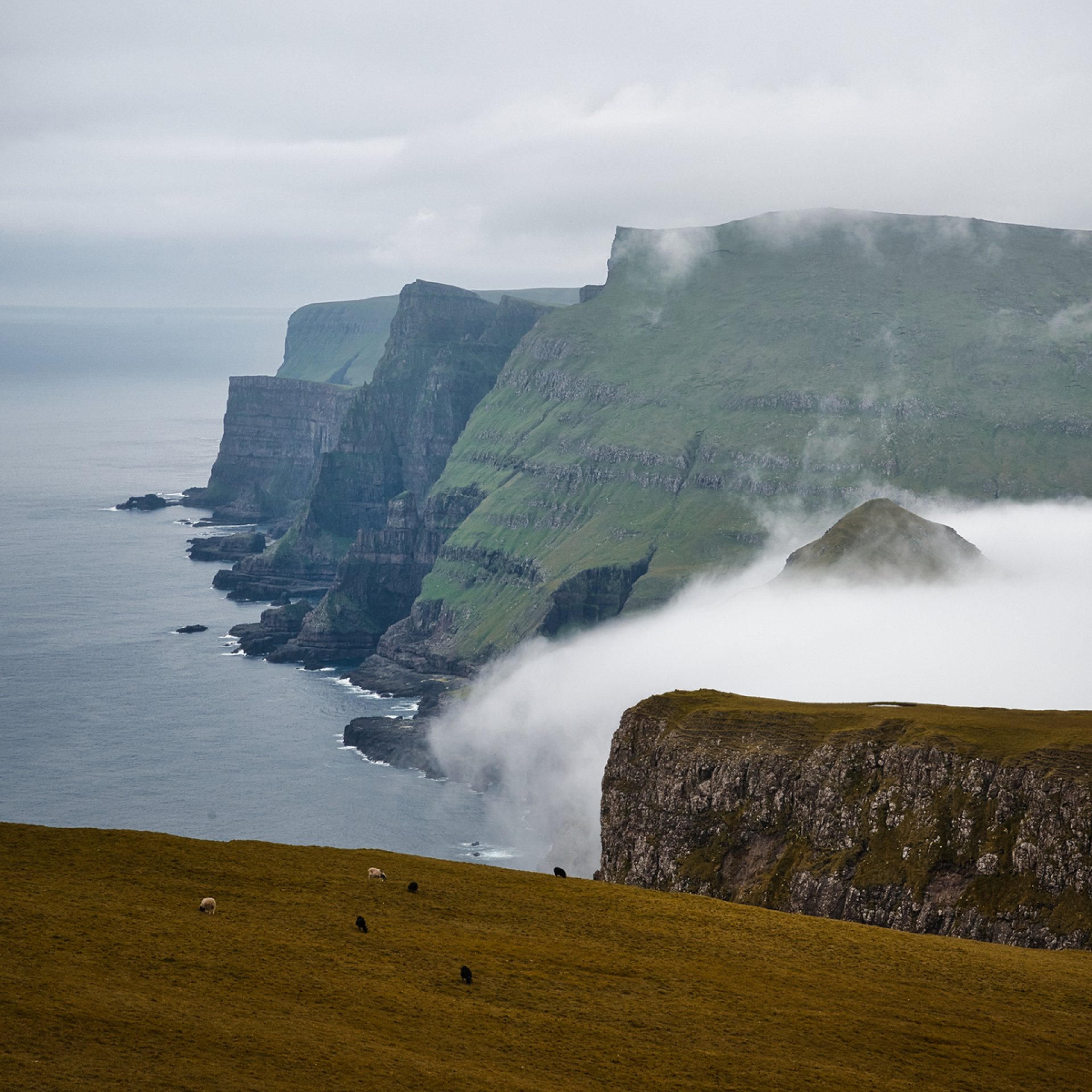
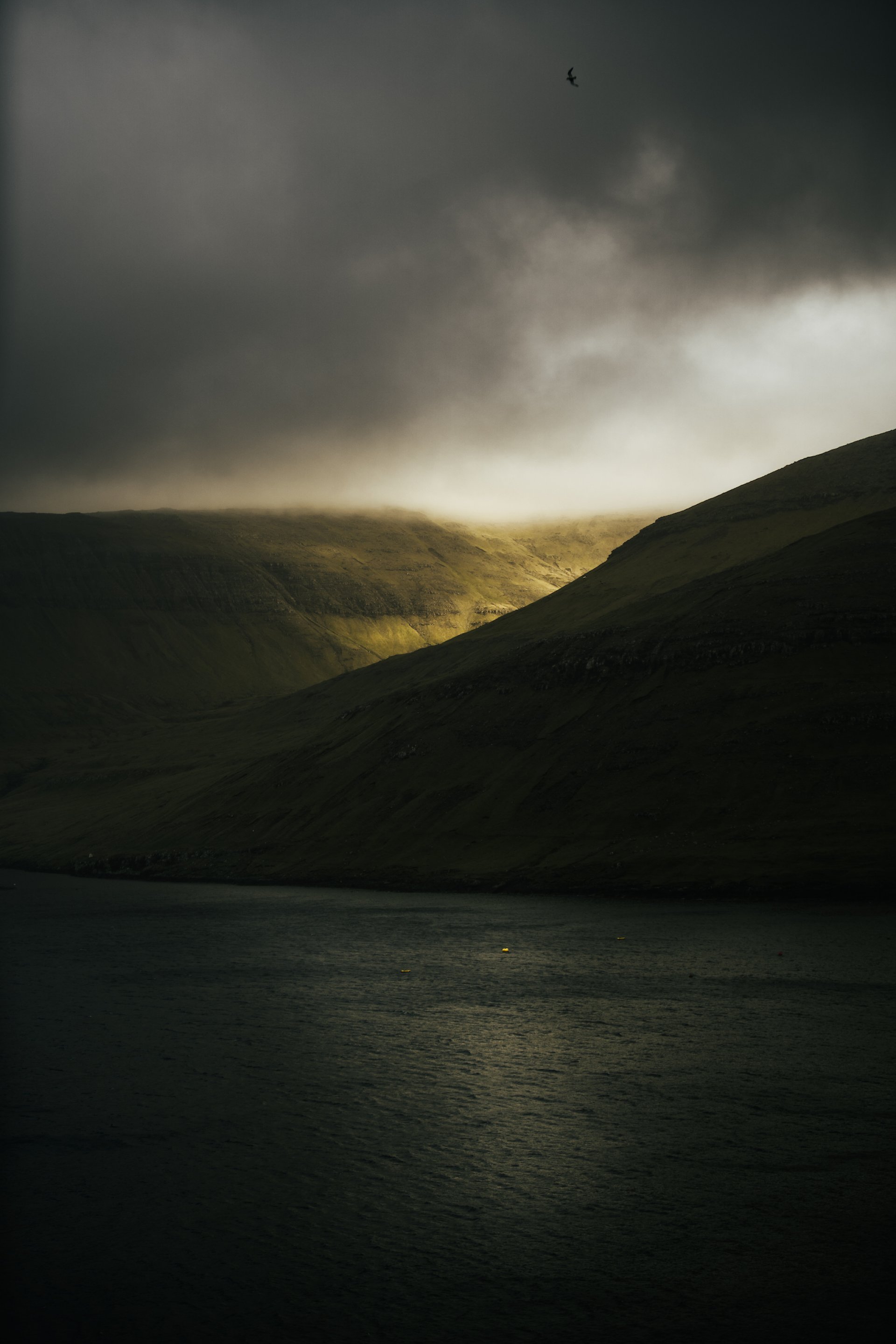
And yet, looking back now, the islands always felt inherently cinematic. Not simply because of the scenery, but also because of the emotional atmosphere that exists here. The constantly shifting weather. The fog that rolls in like a plot twist. The isolation. The intimacy of small communities where everybody knows one another, and silence carries as much weight as any line of dialogue.

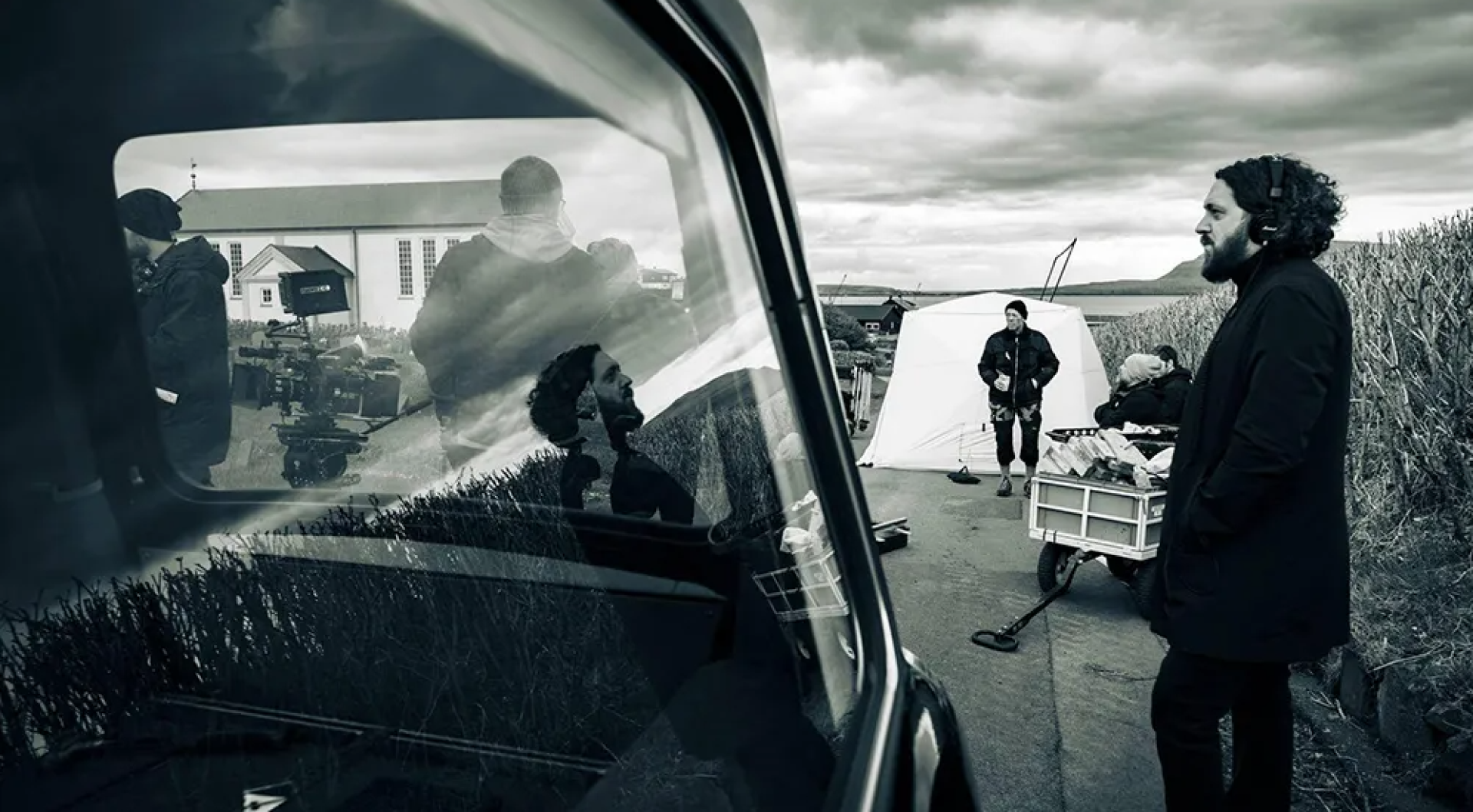
Torfinnur Jákupsson on the set of ‘Trom’.
Stories Shaped by Nature
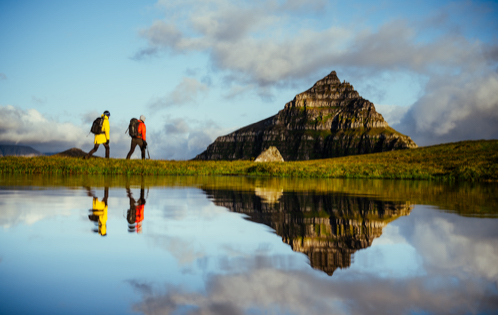
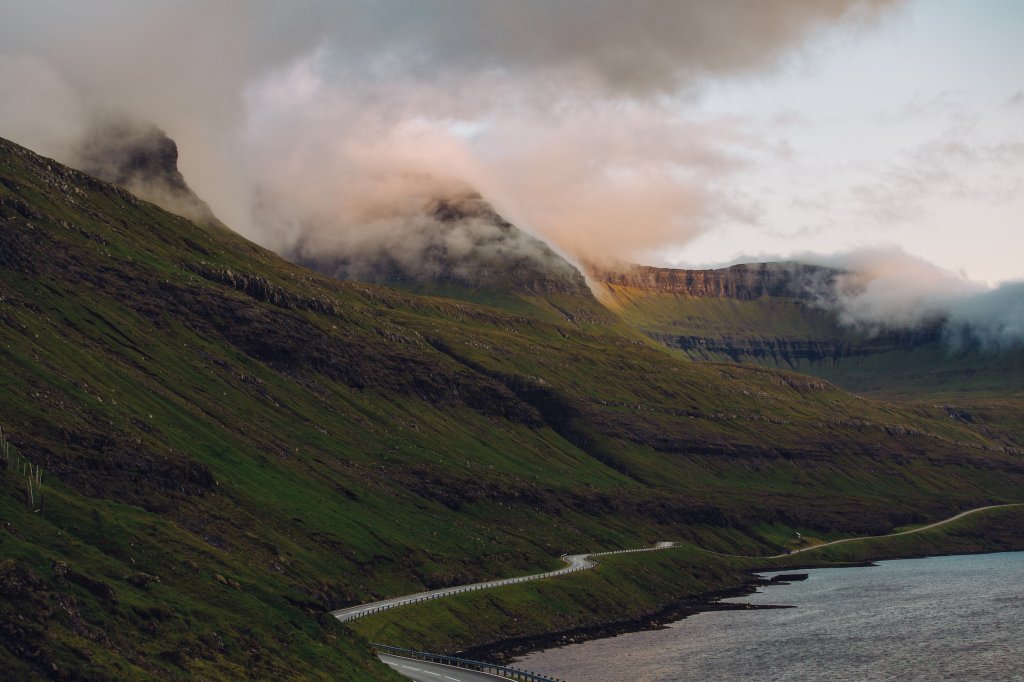
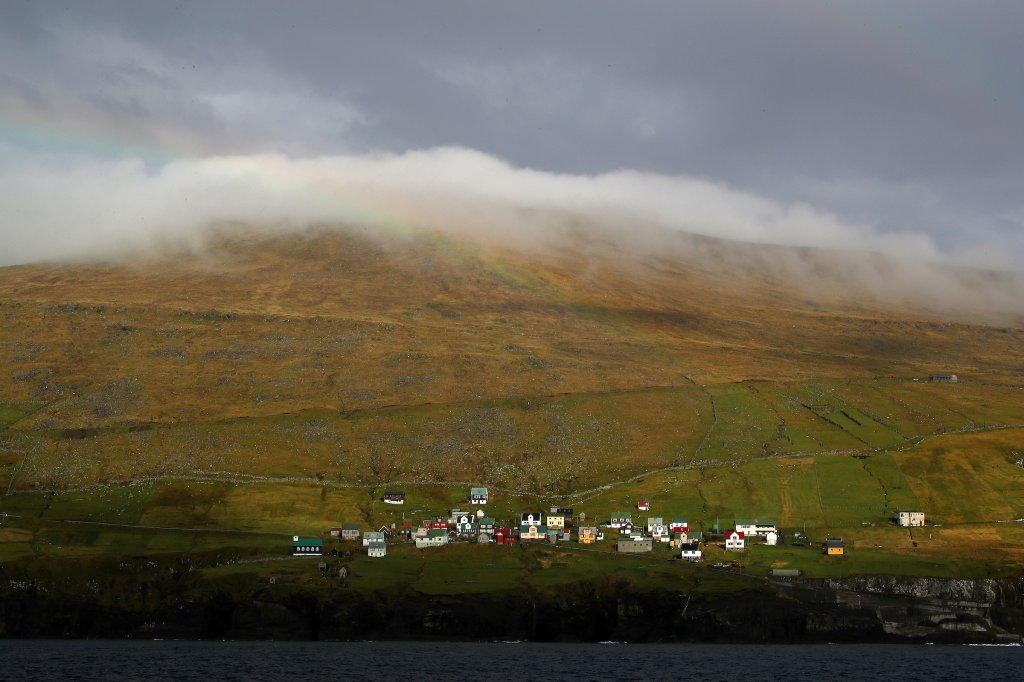
The Faroe Islands are often described through nature alone. The cliffs, the mountains, the Atlantic Ocean. But what makes the Faroes dramatically compelling in my view is also the relationship between the people and the landscape. Nature is never simply background here. It shapes daily life, identity, mood, and memory. A storm can swiftly isolate a village. A tunnel can transform an entire region. The light changes constantly, and with it the emotional terrain of the islands.
For a storyteller, the Faroes offer something rare: a place where the physical landscape and inner psychology are deeply intertwined. That was part of what drew me toward creating the eco-crime drama TROM, the first-ever television drama series from the Faroes. At the time, it felt almost impossible. The Faroe Islands have a rich storytelling tradition through literature, music, folklore, and oral history, but no tradition of large-scale television drama. Many people questioned whether it could be done here.
i
i
To be honest, I questioned it myself at times. But I also believed something deeply important: that stories from small places can travel far if they stay true to their people, culture, and sense of place. Audiences do not necessarily connect to size or scale. They connect to truth, atmosphere, and emotion.
When the world started watching │ Film as a Cultural Bridge
In some ways, the world discovered the Faroes cinematically before we discovered ourselves on screen. International filmmakers had long been drawn to the islands for their dramatic landscapes and unpredictable atmosphere, and in recent years the Faroes have featured in major international productions, documentaries, and global campaigns. But what feels different today is that Faroese storytellers themselves are increasingly shaping the narrative.
The Faroes are uniquely suited to modern screen storytelling. In a small island society, almost everything is personal. Secrets linger longer here. Silence becomes part of the social fabric. The closeness that makes Faroese society beautiful can also create tension and pressure. Those contradictions are dramatically fascinating.
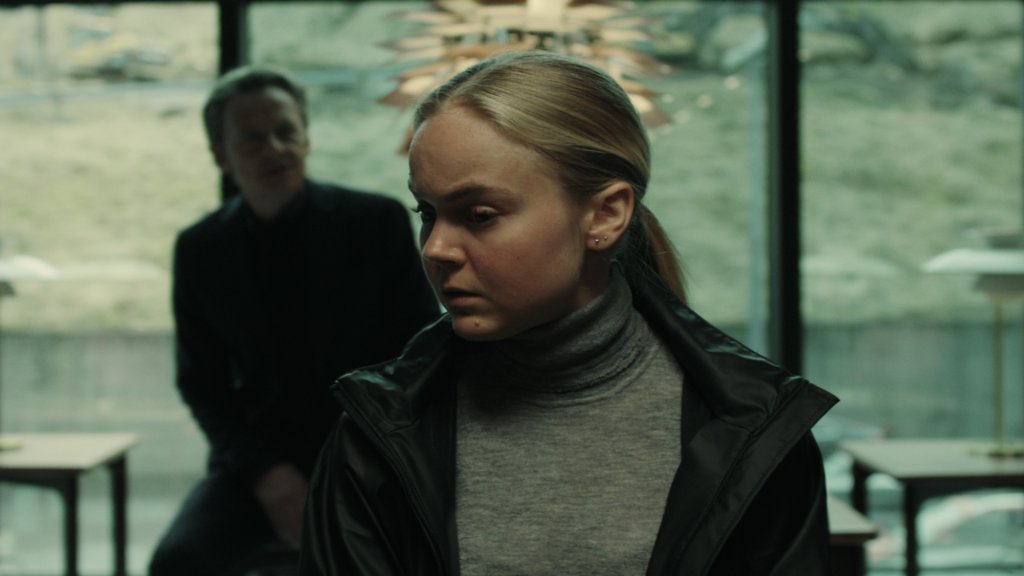
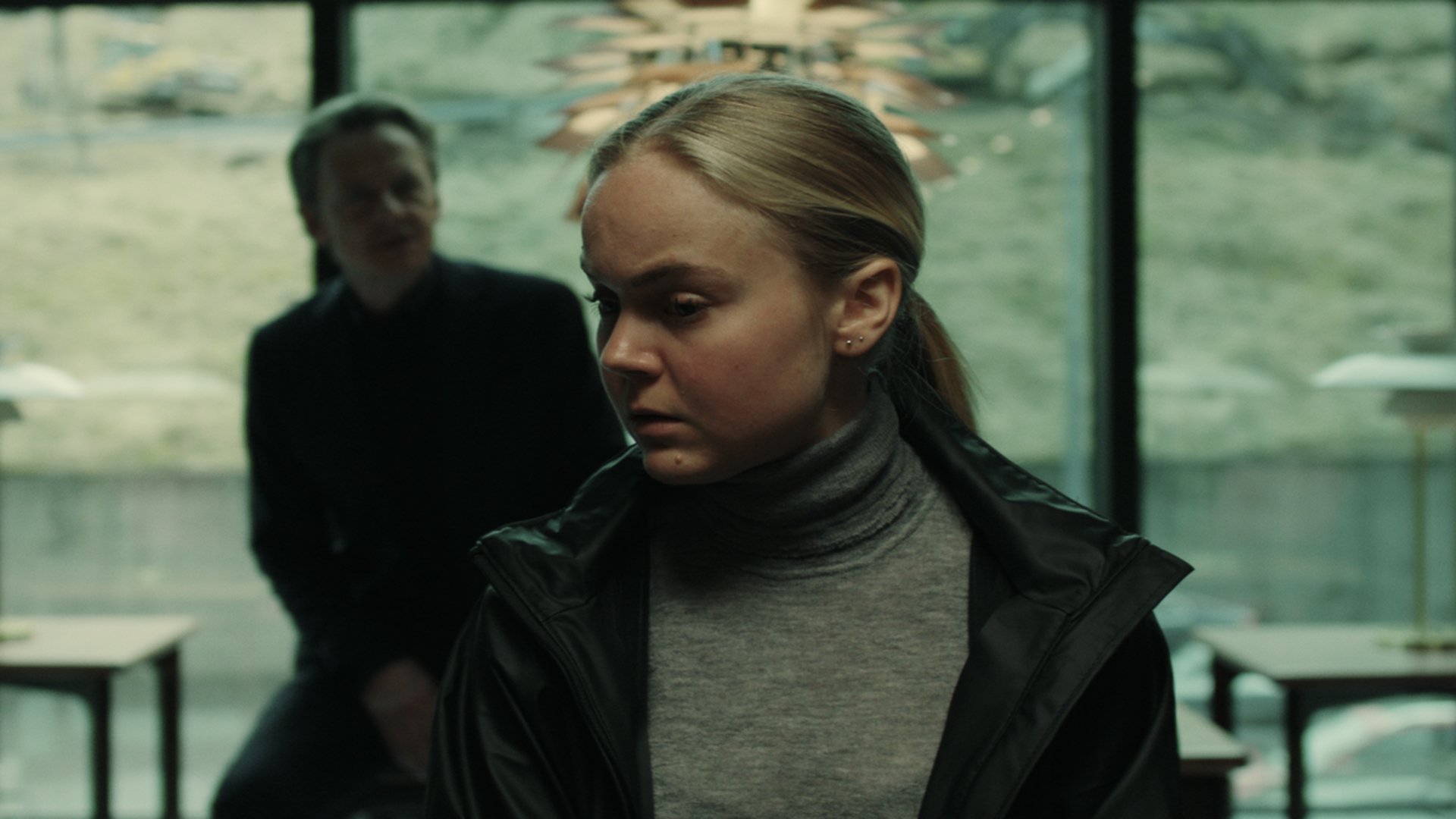
Still from ‘Trom’
i
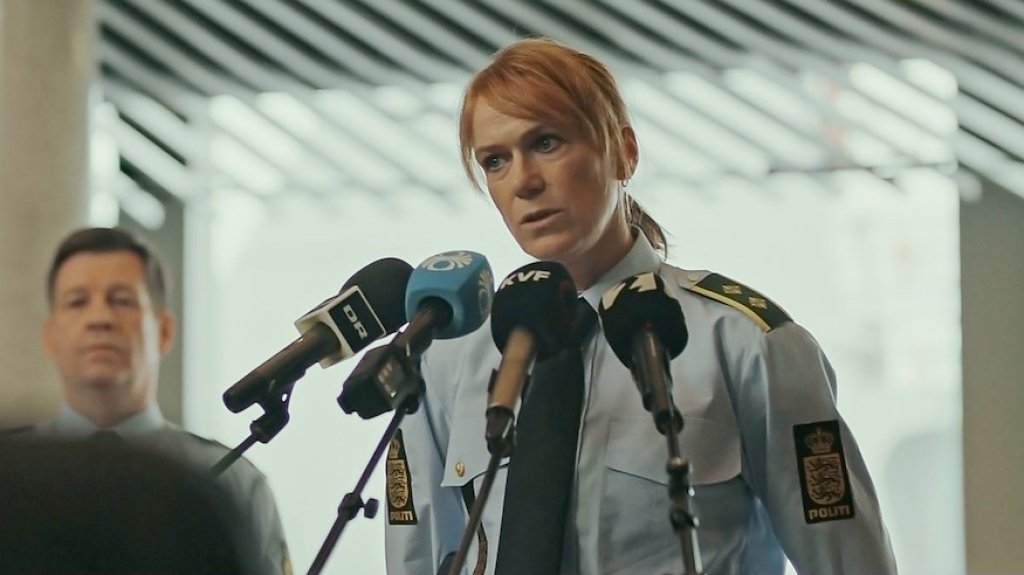
Still from ‘Trom’
i
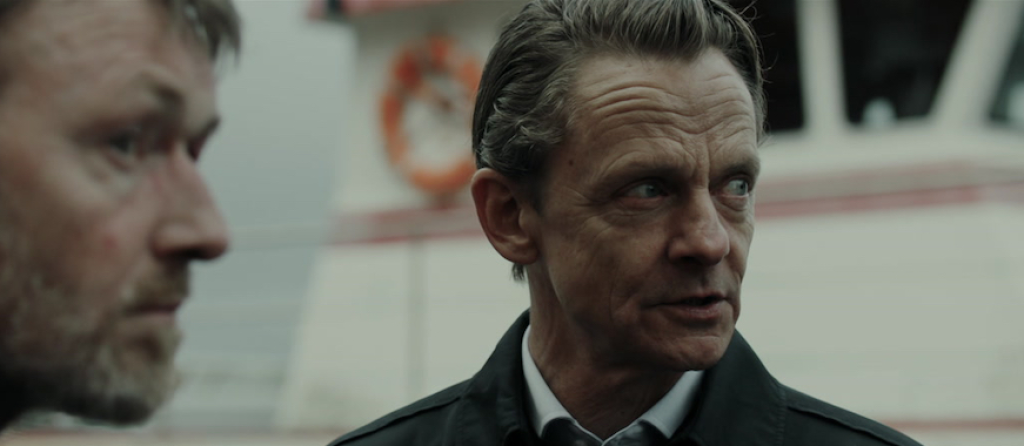
Still from ‘Trom’
i
When TROM eventually premiered, international audiences did not only respond to the mystery or characters. They responded to the Faroes themselves.
Most had never heard of the Faroes before. Many wanted to visit after seeing the landscapes, weather, architecture, and atmosphere on screen. It seemed to me they were not only searching for a location or a destination. They were searching for a feeling.
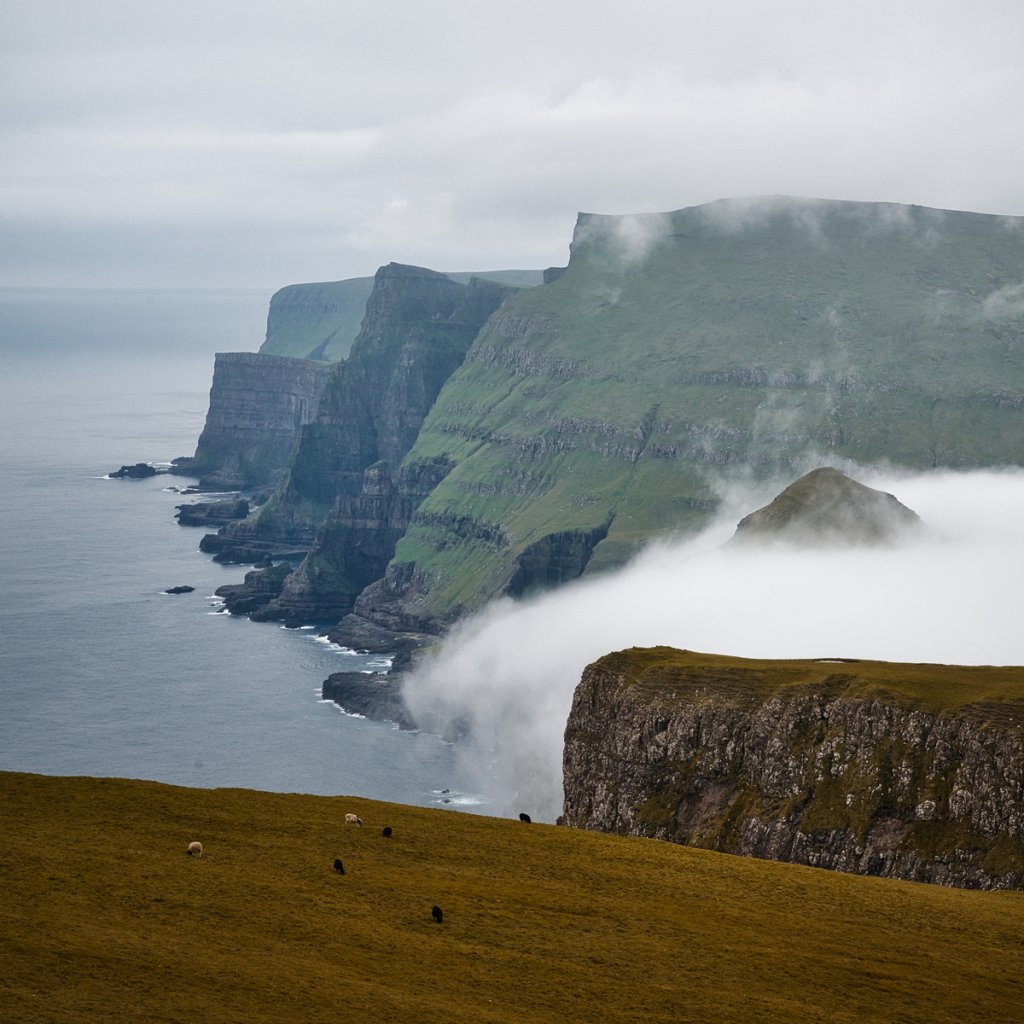
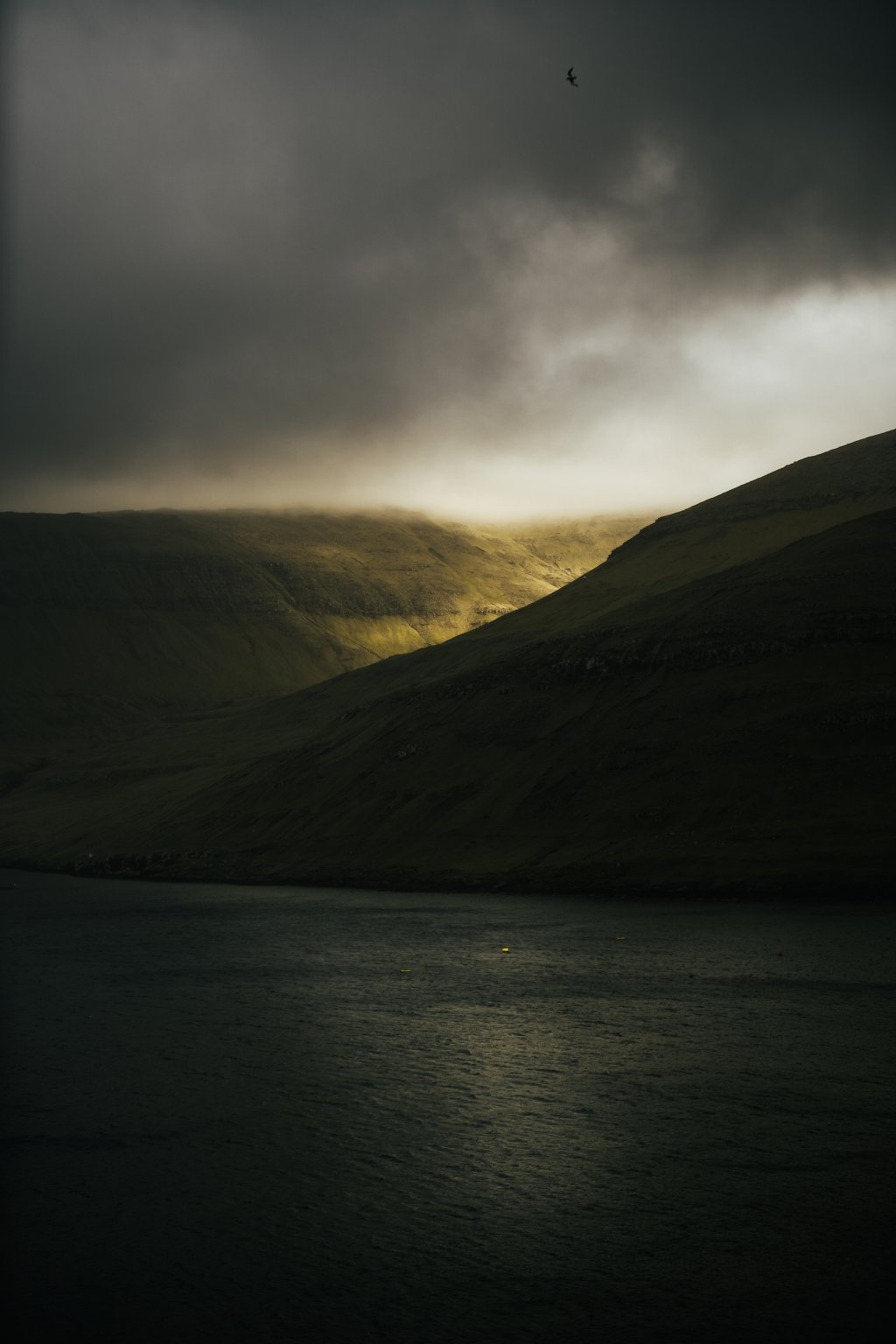
That is what makes film and television so powerful. Storytelling on screen is entertainment, but it can also become something much deeper. A cultural bridge and an invitation to share our experiences.
At the same time, the growth of Faroese film and television is about more than visibility abroad. It is also about building creative confidence and a new creative economy at home.
A growing creative economy│Why Faroese Stories Matter
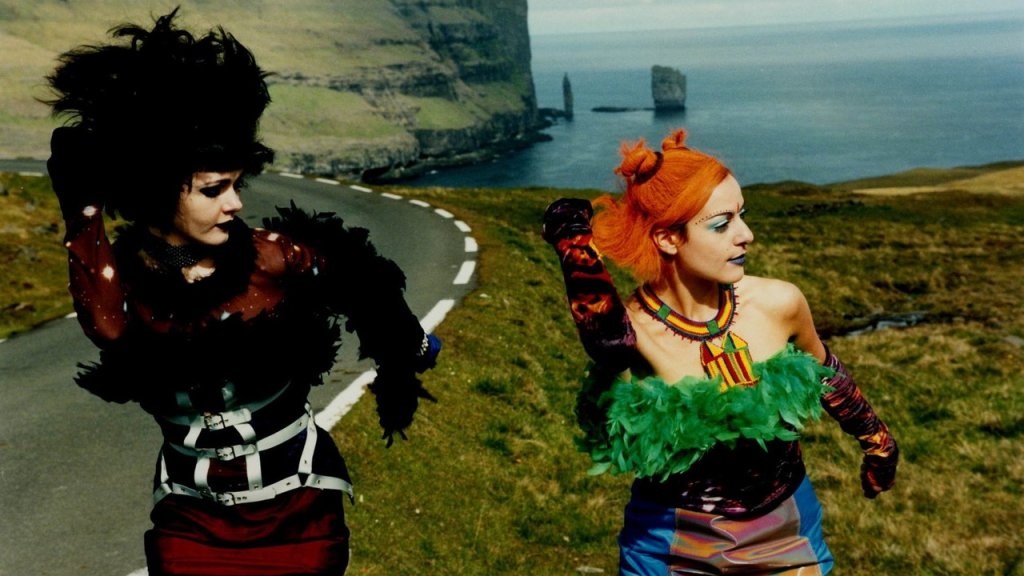
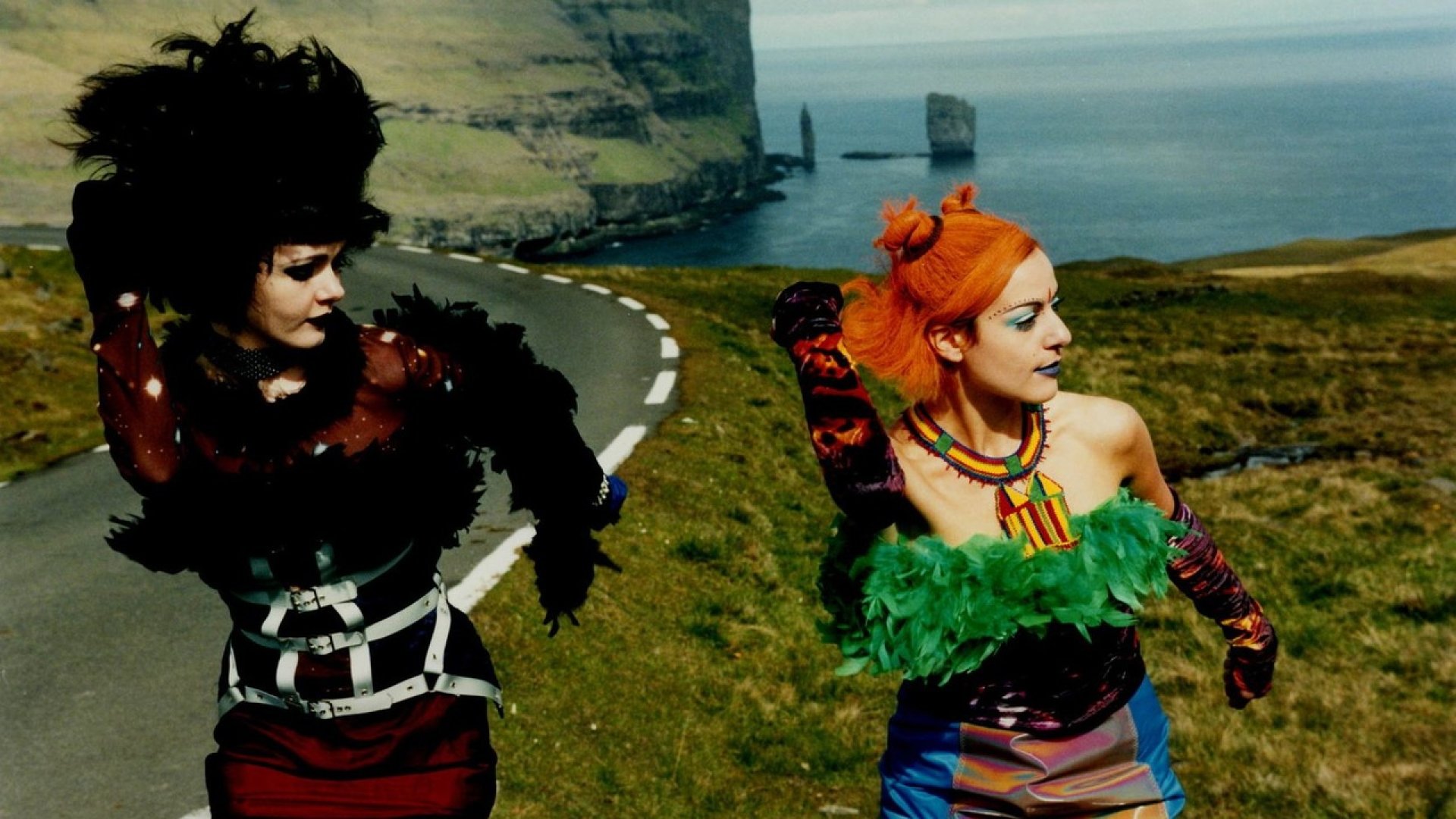
Still from 'Atlantic Rhapsody' (1989)
i
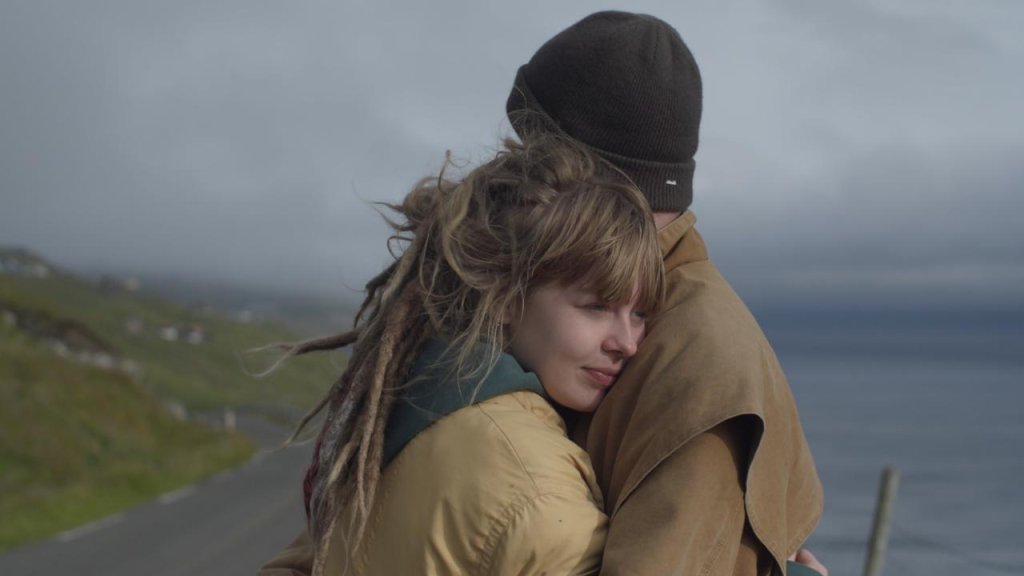
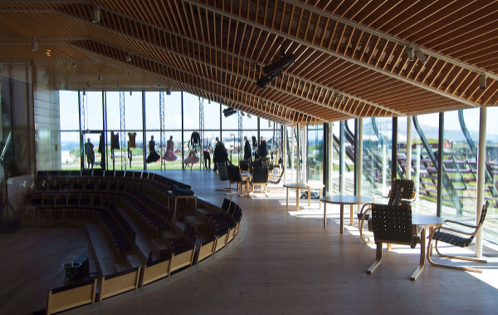
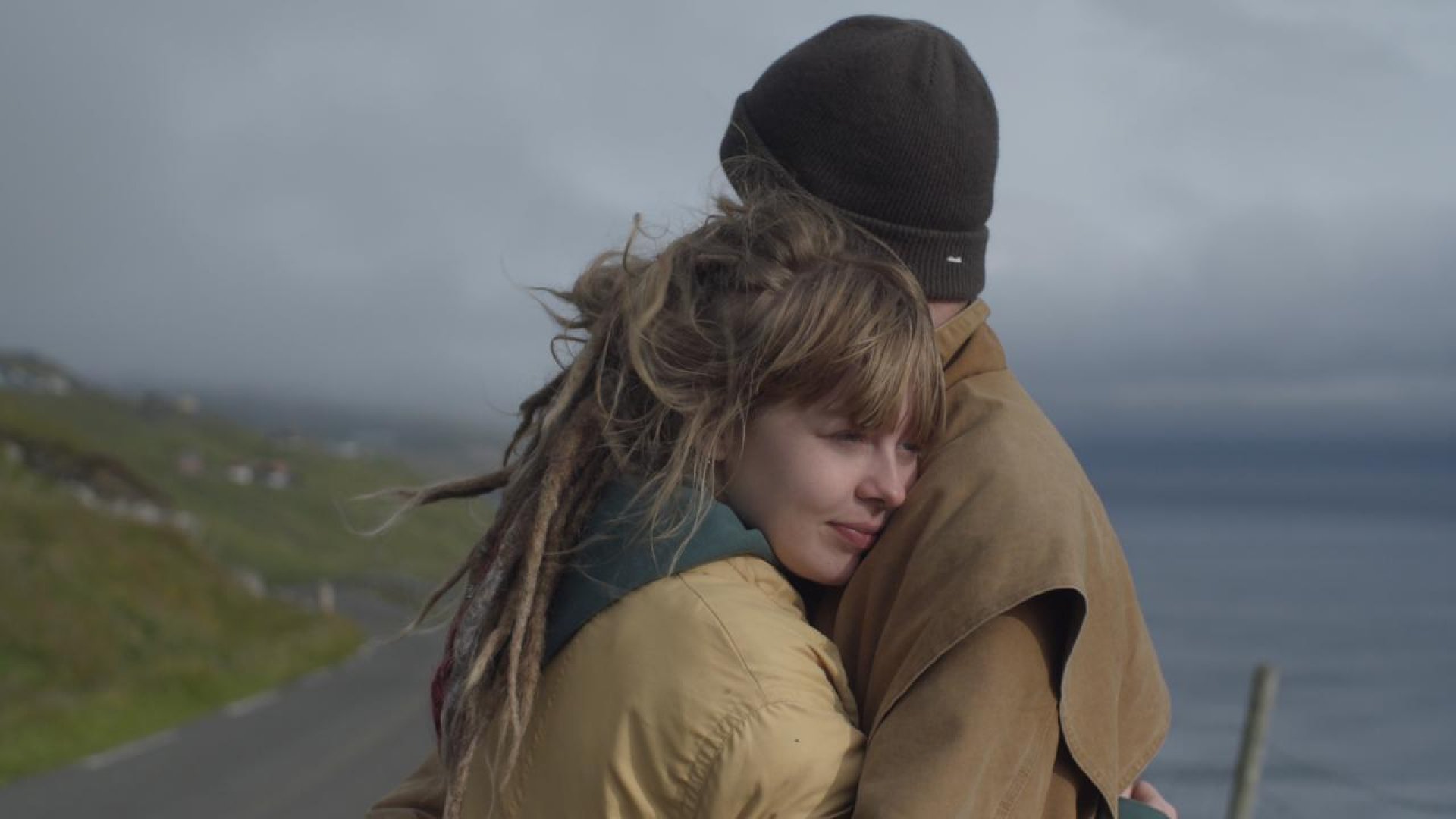
Still from 'Skál' documentary (2021)
i
The Future of Faroese Film
The Faroese film and television industry is still only at the beginning of its own journey. New international collaborations are emerging. New generations of filmmakers are finding their voice. Infrastructure is growing. Creative ambition is growing. And importantly, there is an increasing understanding that culture itself is a crucial part of a sustainable future.
The next generation of Faroese storytelling is already beginning to take shape.
The Faroes may remain small in size, but cinema reminds us of something important: the smallest places often contain the biggest stories.
And sometimes, at the edge of the world, you can see things more clearly.
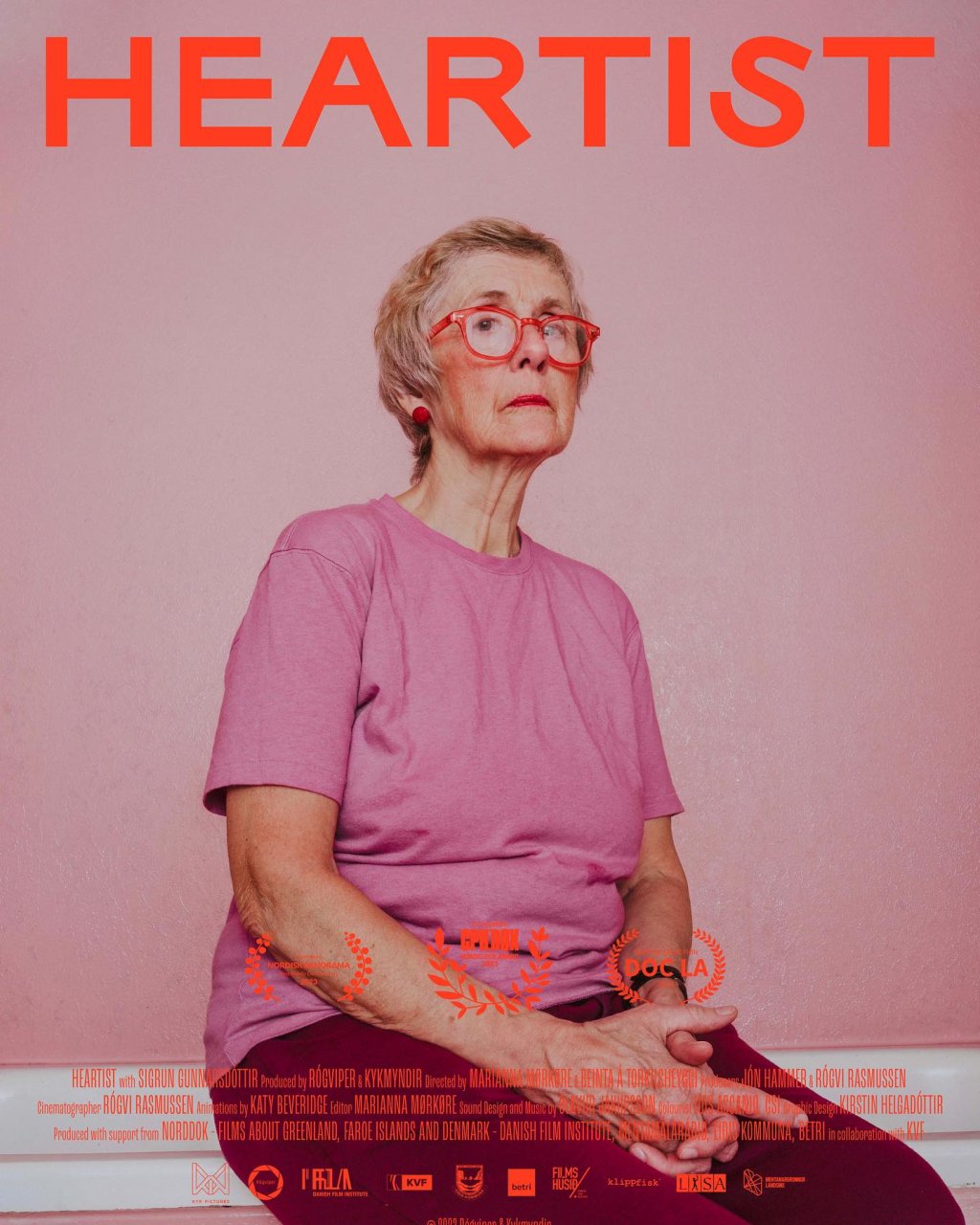
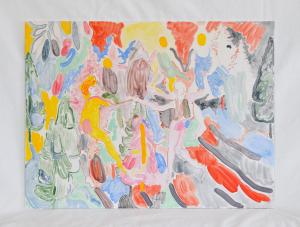
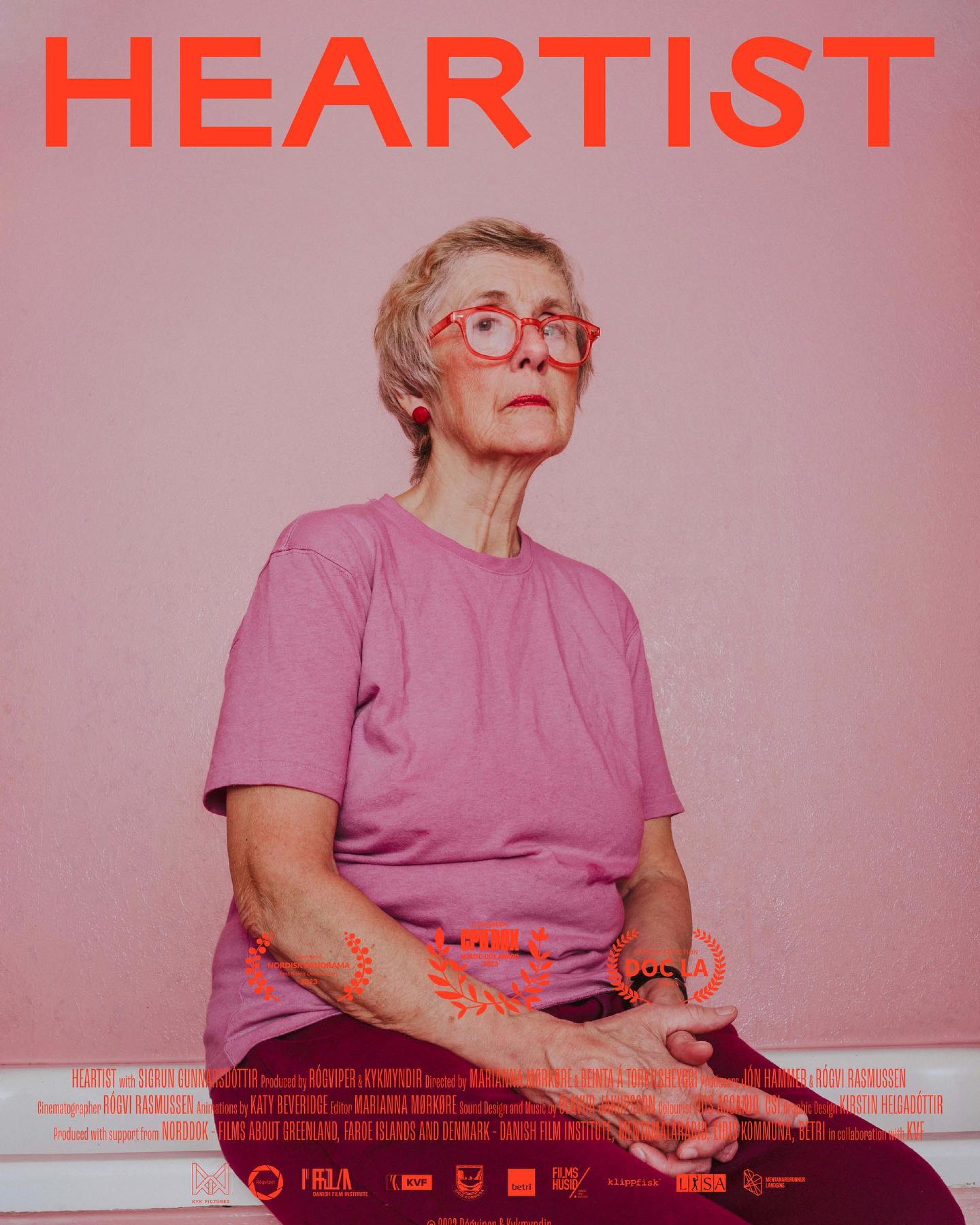
‘Heartist’ documentary (2023)
i
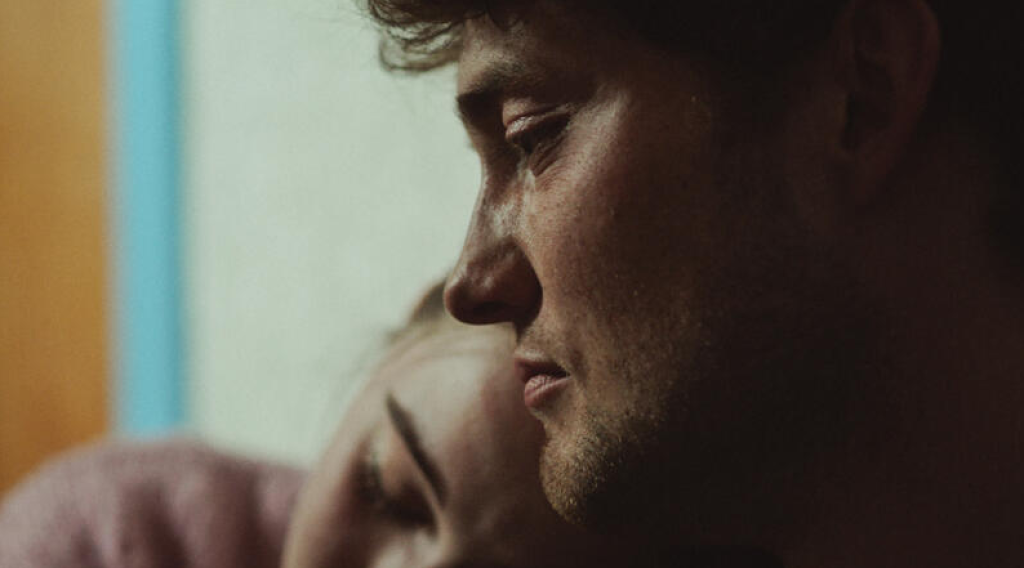
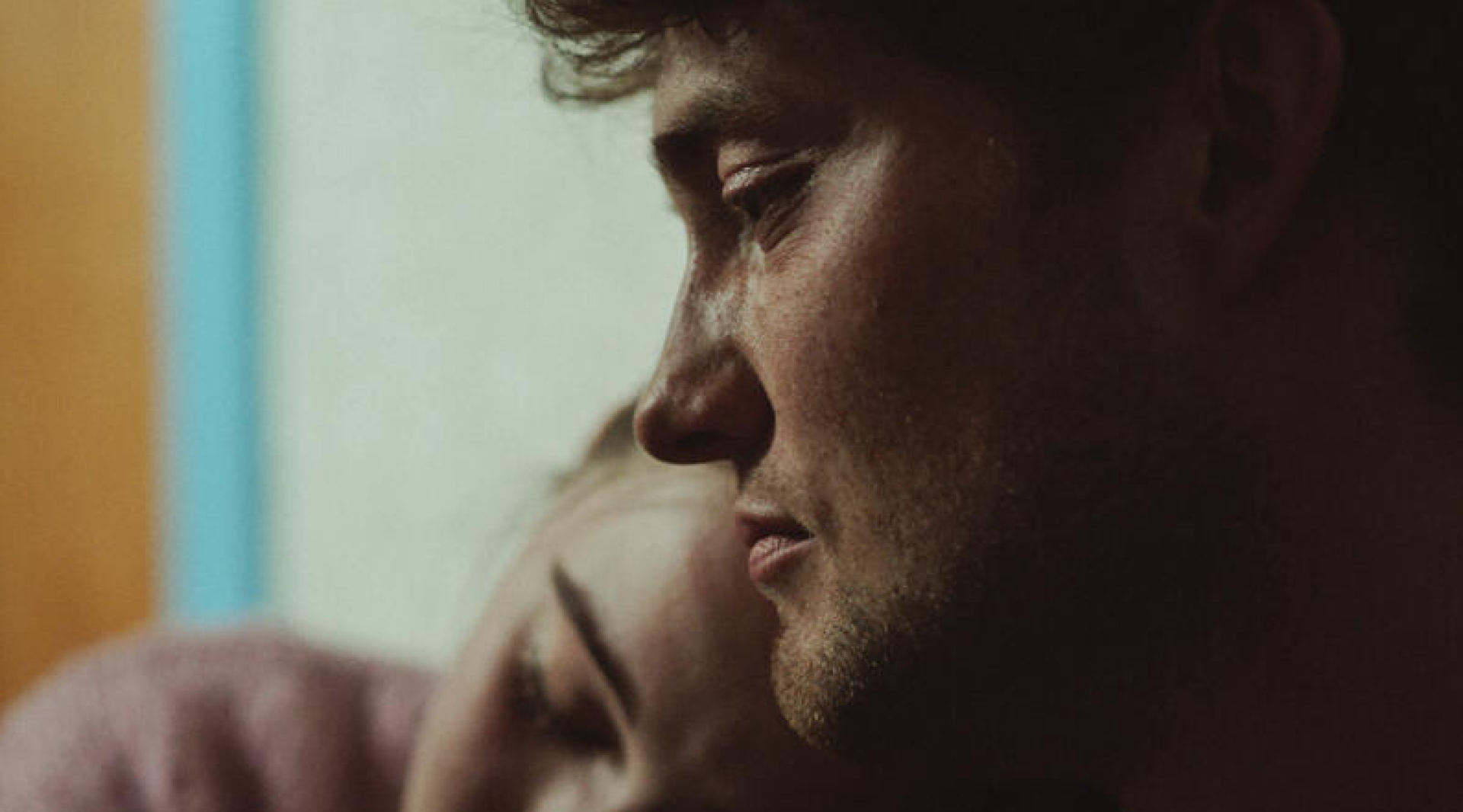
Still from ‘The Last Paradise on Earth’ (2025)
i
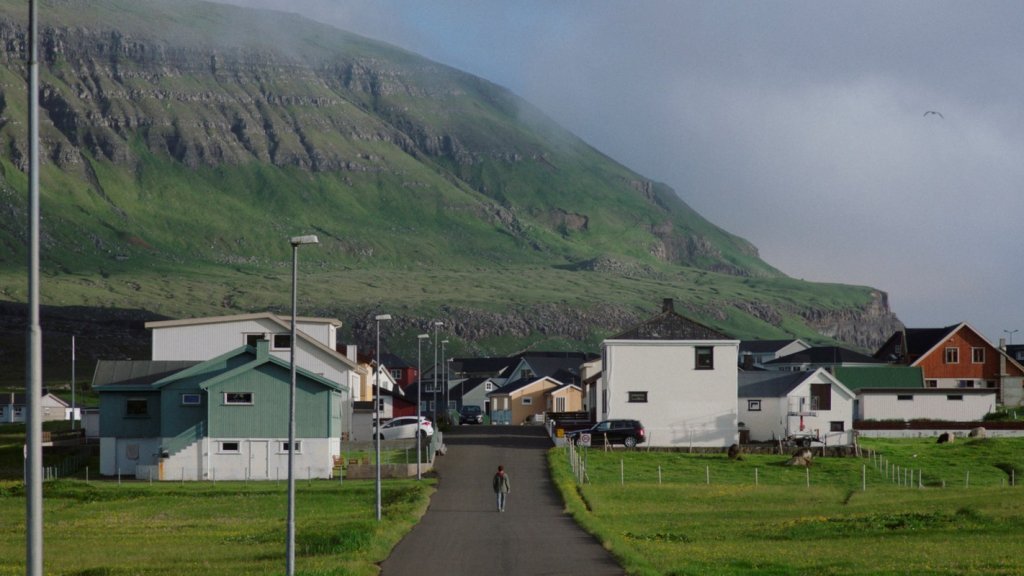
Still from ‘The Last Paradise on Earth'
i
Further Viewing│Faroese Stories on Screen
For those curious to explore Faroese film and television further, here are some notable productions that have helped shape contemporary Faroese screen culture:
- Atlantic Rhapsody (1989): The first Faroese feature film, directed by Katrin Ottarsdóttir. A cult classic that helped place Faroese storytelling on the cinematic map.
- The Last Paradise on Earth (2025): Sakaris Stórá’s acclaimed drama about belonging, grief, and life in a changing island community. The film became the first Faroese production to win the Nordic Council Film Prize.
- TROM (2022): The award-winning first-ever drama series from the Faroes, sold to broadcasters and streaming audiences around the world.
- Heartist (2023): A contemporary example of Faroese creative documentary storytelling and artistic portraiture by Marianna Mørkøre and Beinta á Torkilsheyggi.