





FAROESE FOOD
Link Copied!

Fermented lamb, wind-dried fish and sheep’s head. Sound delicious? Most Faroe Islanders think so.
Traditional Faroese food is of great significance to the locals. Not only is it the part where you get to dig in and satisfy those taste buds, but also the other stages - from hunting and killing to preserving and preparing. It is the particular uniqueness of these stages that made the Guardian proclaim the Faroe Islands the “new Nordic food frontier” — a prime example of the growing enthusiasm for the Faroe Islands’ distinct and extraordinary cuisine, and evidence that Faroese gastronomy belongs on the international culinary scene.
What Makes Faroe Islands Food Unique?
Faroe Islands food is unlike anything else in the Nordic world. The Faroese archipelago sits alone in the North Atlantic, 300 kilometres from the nearest landmass. This isolation, combined with a harsh sub-Arctic climate, shaped a food culture built entirely around resourcefulness: eating what the land and sea provide, wasting nothing and preserving everything.
The result is a cuisine of extraordinary character - intensely flavoured, deeply seasonal and rooted in traditions that stretch back over a thousand years. Today, those same traditions are being reimagined by a new generation of chefs, earning the Faroe Islands two Michelin stars and international recognition as one of the world’s most exciting food destinations.


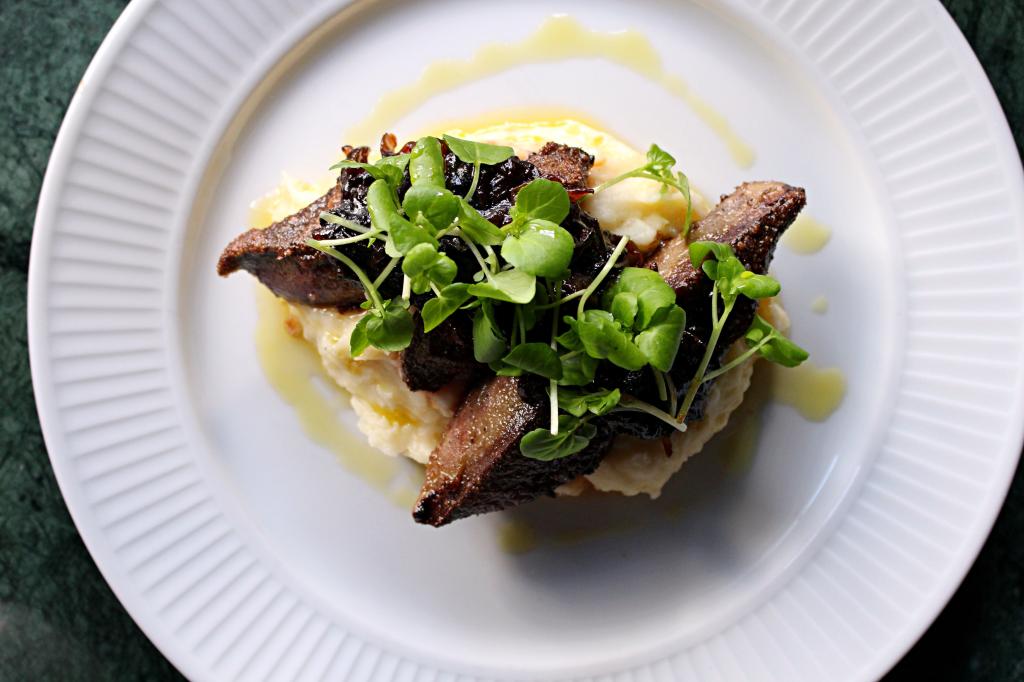

Age-old Methods: The History of Faroese Food
Since the first settlers arrived in the Faroe Islands over a thousand years ago, the Faroese people have hunted and killed hares, sheep, whales, fish and other animals for food. Being an isolated archipelago in the North Atlantic means that the Faroese have largely relied on eating what is found in their environment.
They learned to utilise every bit of every fish caught, every mammal slaughtered and every bird netted. They also learned to store and preserve as much as possible for more challenging times. These age-old creative preservation methods are still used today and have resulted in food with distinct and unmistakable flavours — inherently contingent on the climate in which it is stored.
Ræst: The Faroese Art of Fermentation
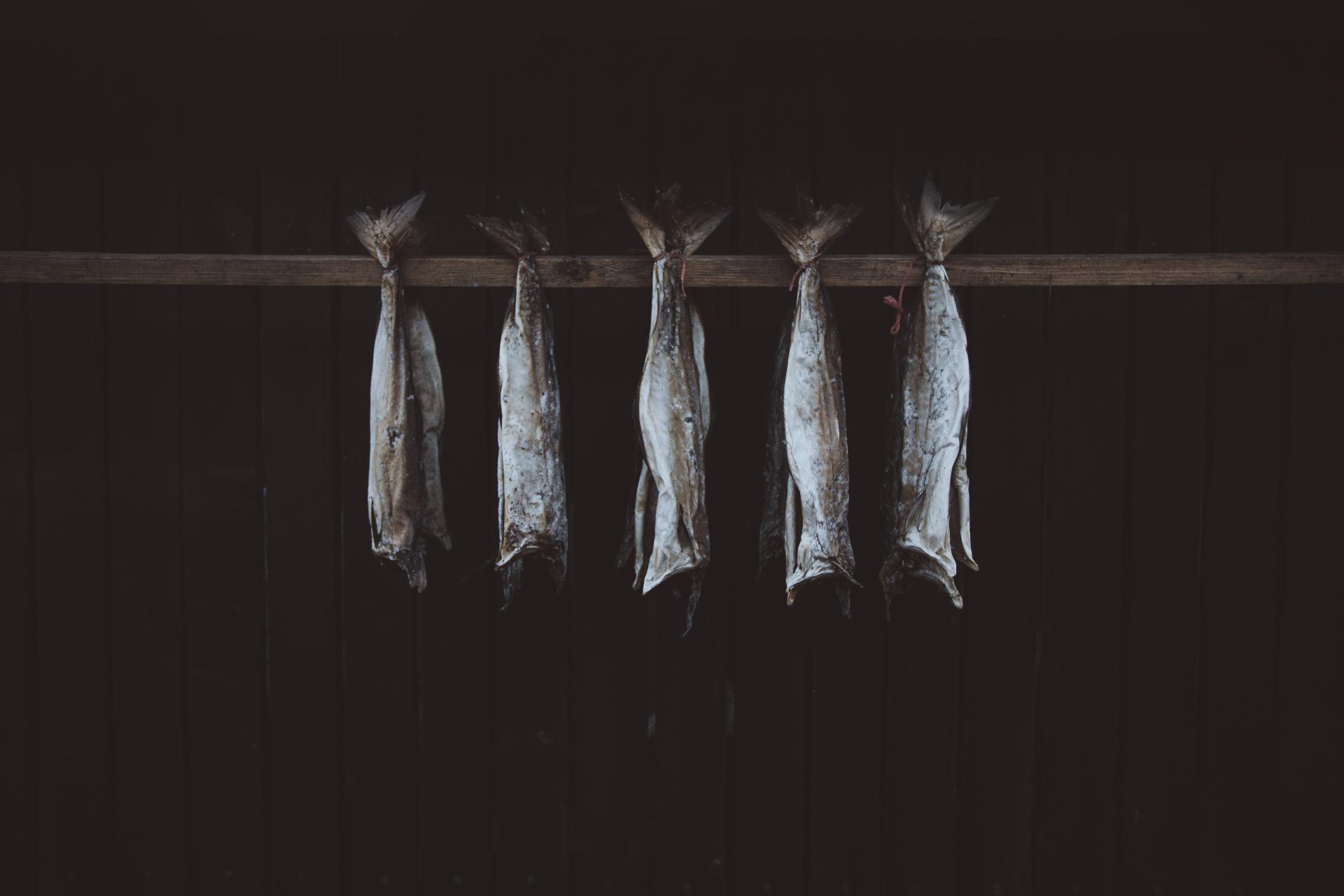
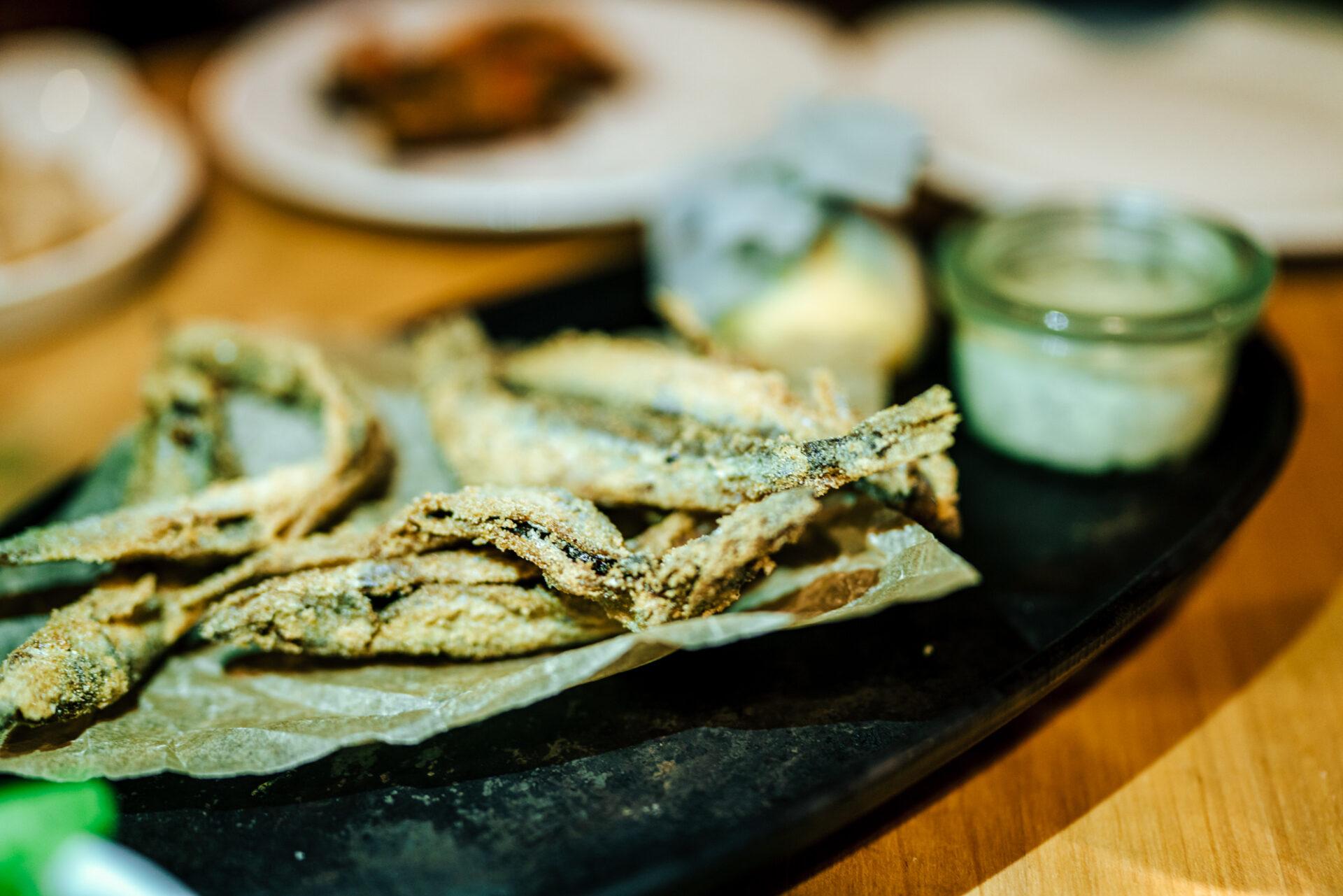
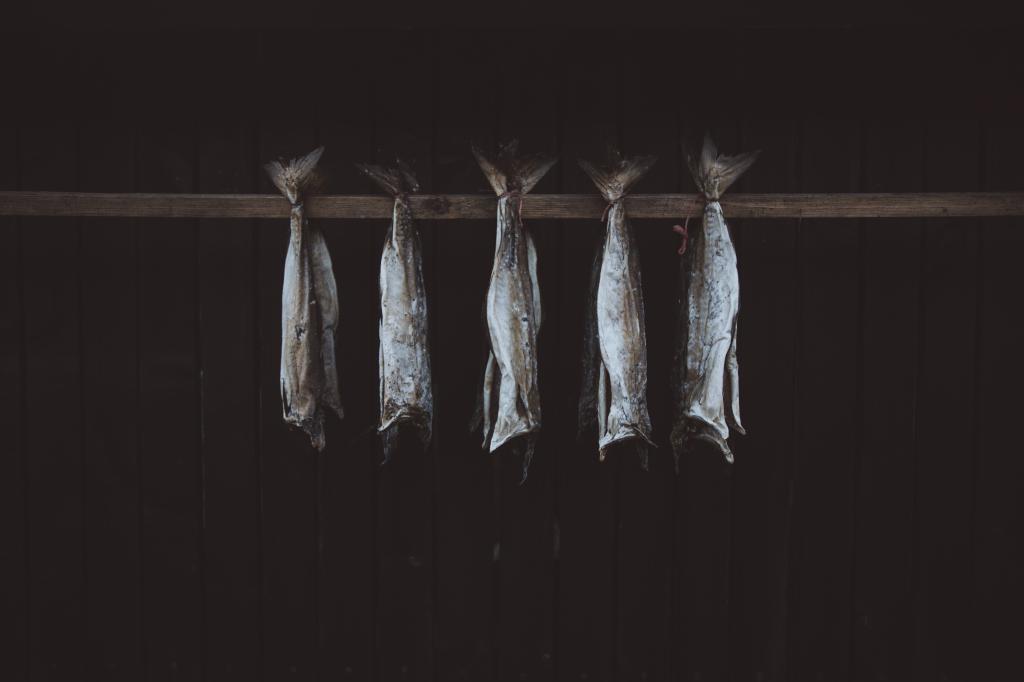
One of the most distinctive elements of Faroese cuisine is what the Faroese call ræst - meaning fermentation. This is the process of drying meat and fish outdoors, allowing an ageing or fermentation process to occur. Whether or not the correct taste is acquired depends on the climate: warmer temperatures will spoil it, too cool temperatures will prevent fermentation, and too much wind will render it tasteless.
The process takes place in a hjallur - a traditional wooden drying house with slatted walls that allow the North Atlantic sea breeze to circulate. Lamb is typically fermented for five to nine months; fish, particularly cod, for two to three months. The result is deeply savoury, umami-rich meat and fish with a flavour profile found nowhere else on earth.
Although these traditional methods might be deemed unnecessary in modern times, the unique and inimitable taste created by these processes - coupled with the philosophy of using what nature provides - is as appealing to Faroe Islanders today as ever.
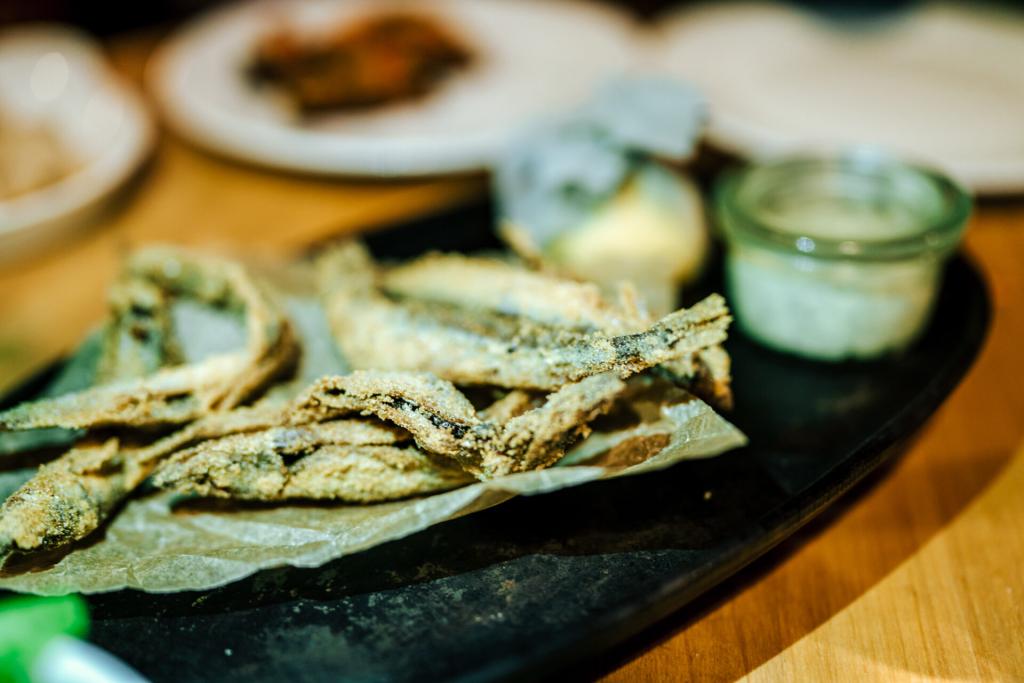
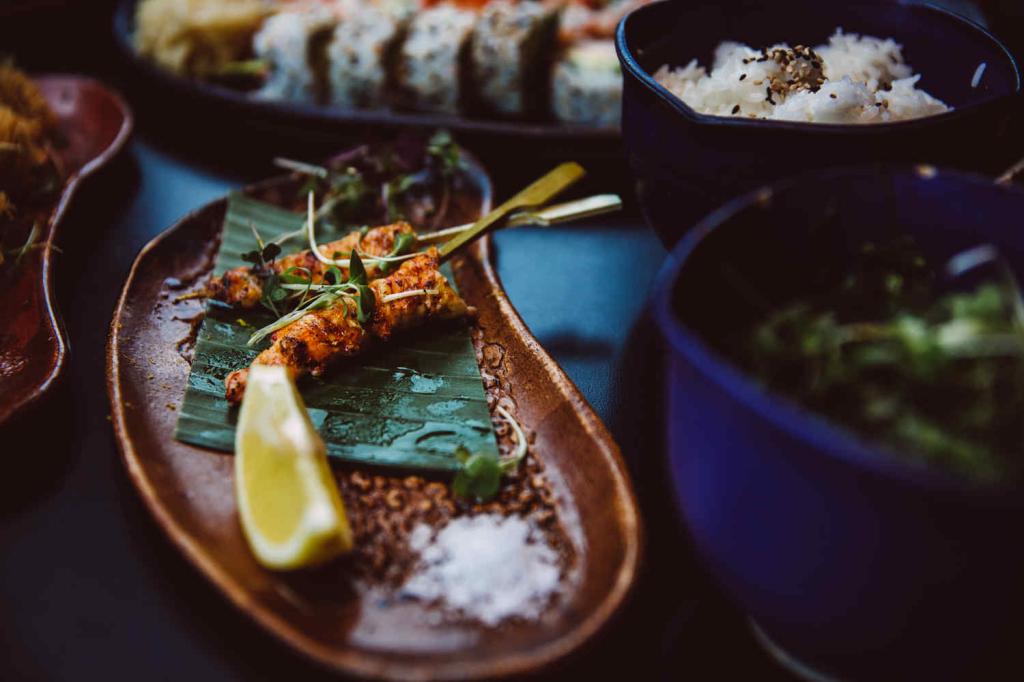
Traditional Faroese Dishes: What to Eat
No trip to the Faroe Islands is complete without exploring the traditional dishes that define Faroese food culture. Here are the essential foods to try:
Skerpíkjøt
The most iconic Faroese dish: wind-dried mutton fermented in a hjallur for five to nine months. Intensely flavoured, earthy and utterly unlike anything you have tasted before. Served thinly sliced — often on rye bread, or as part of a traditional family meal.
Ræst kjøt
Fermented lamb that is boiled before serving. Softer in flavour than skerpíkjøt but equally distinctive. A classic Sunday dinner across Faroese households.
Fresh Atlantic seafood
Cod, salmon, halibut, langoustine and sea urchin. Faroese salmon is prized worldwide for its quality, bred in cold, spacious Atlantic waters. The langoustines are enormous, sweet and served in top restaurants across Europe.
Faroese lamb
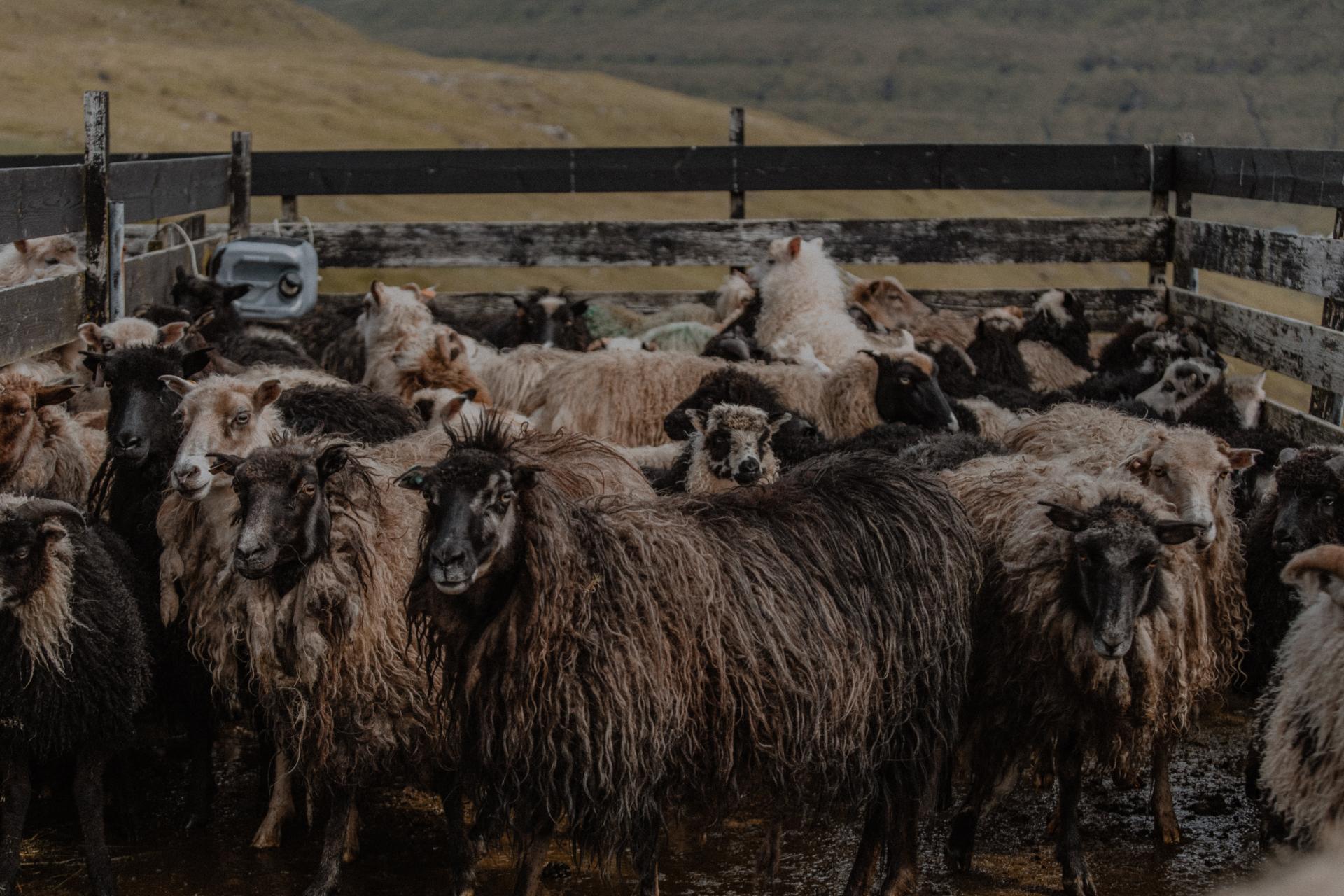
Organic, free-roaming and grazed on wild herbs and grasses. Nearly 70,000 sheep roam the islands — outnumbering the human population. Slow, natural grazing gives the meat a distinctive, clean flavour with no trace of gaminess.
Food Production: What Grows in the Faroe Islands
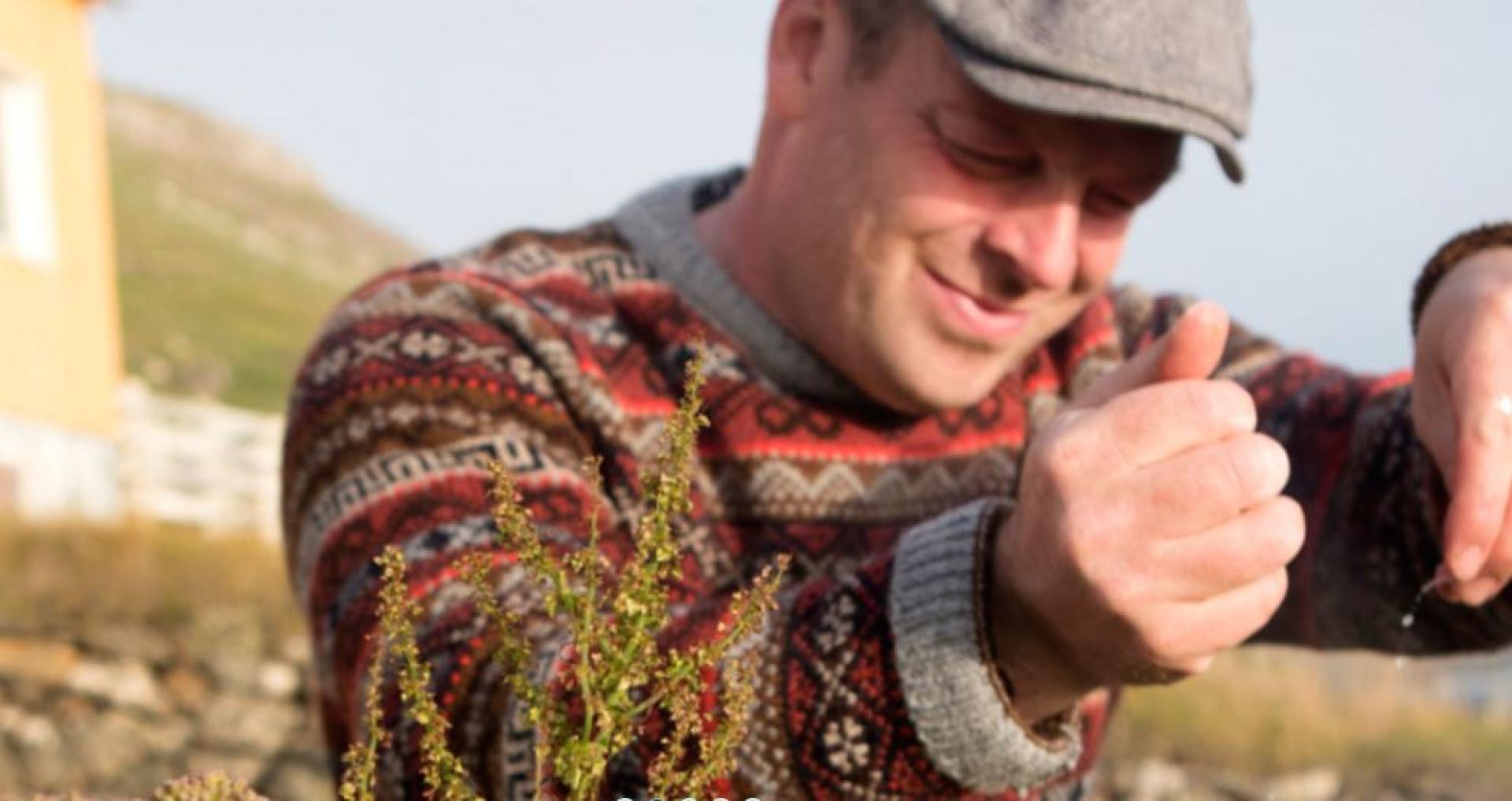
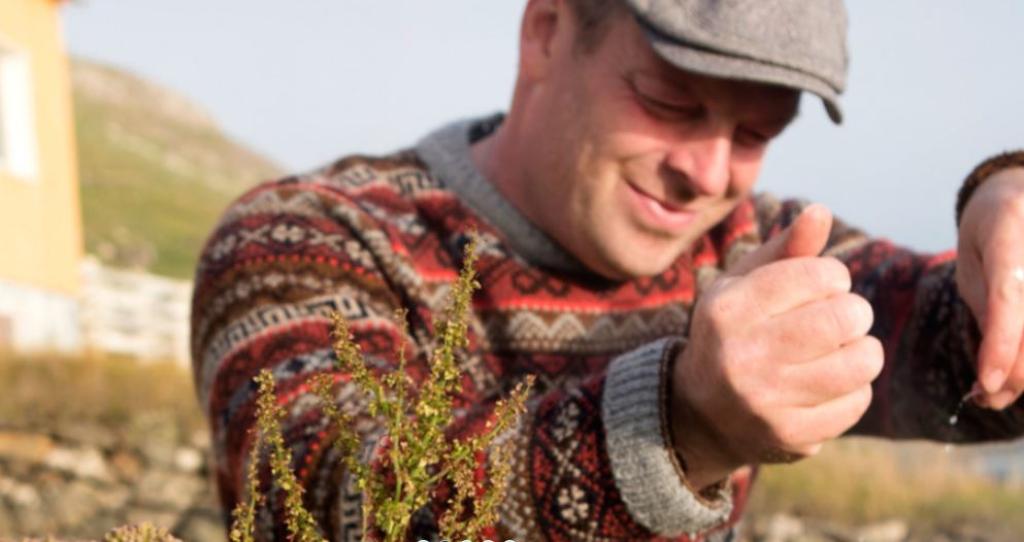
There are no indigenous land mammals in the Faroe Islands — the hare, for example, was introduced from Norway — and barely anything grows above ground. Garden turnips (perhaps the best in the world), beets, radishes, swede, potatoes, carrots and Jerusalem artichokes are some of the farmers’ main vegetables. Greenery comes from herbs such as angelica and sorrel, and wild plants such as sea purslane, cuckoo flower and reindeer lichen.
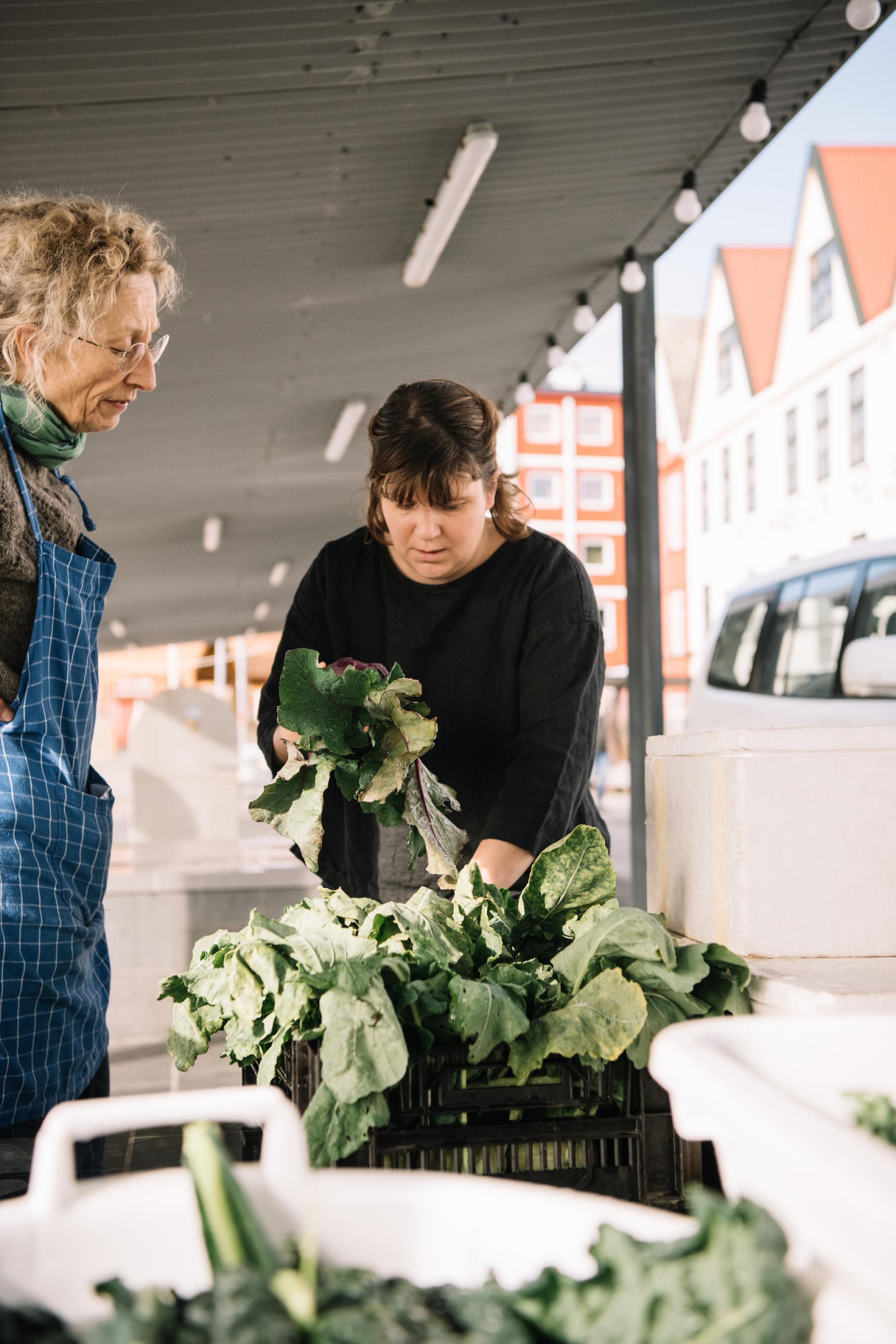
Make sure to visit the monthly farmers market on the Tórshavn harbour on Sundays to see the fresh goods from the fields. It is the best place to understand the Faroese relationship with seasonal, local produce.
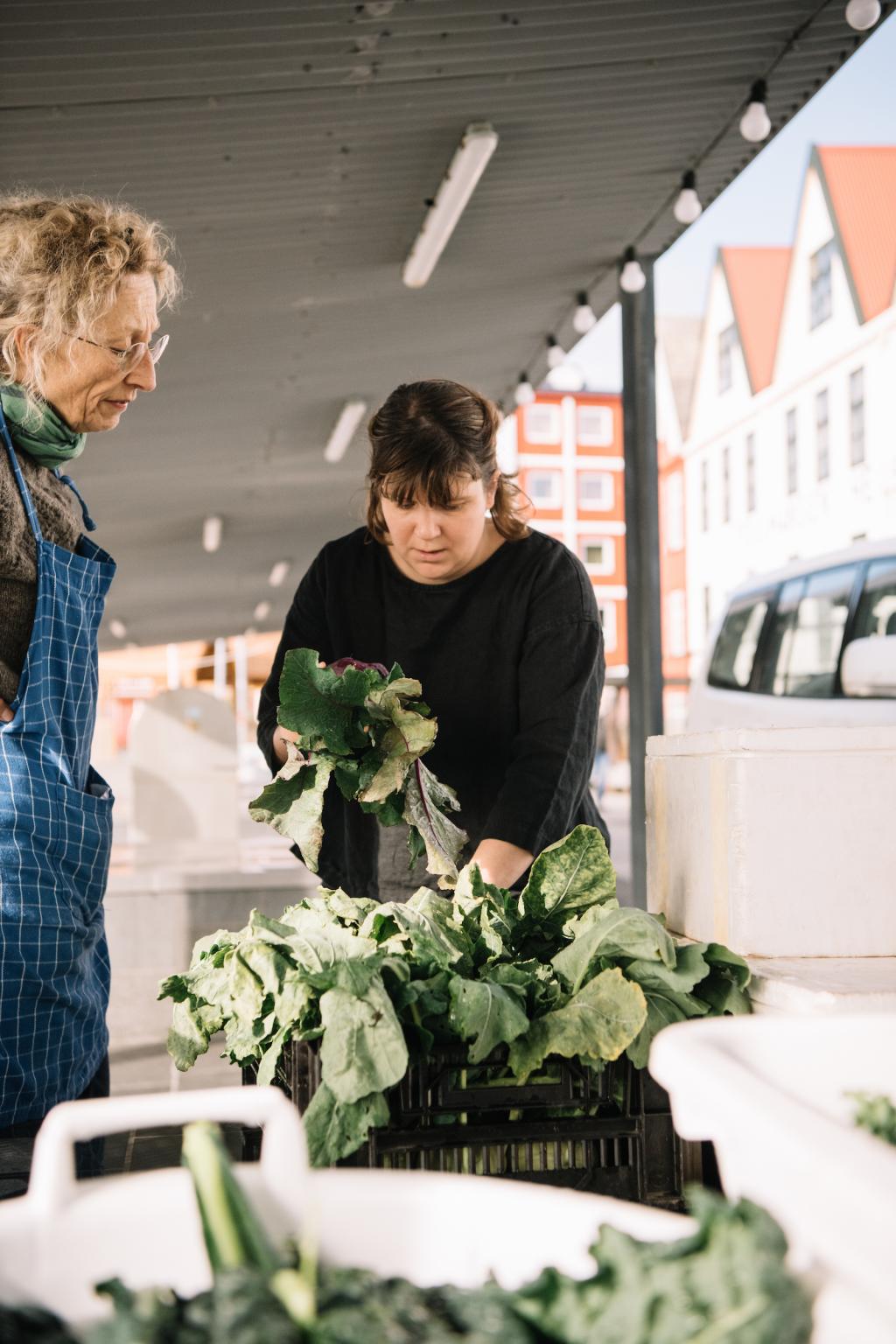
Make sure to visit the monthly farmers market on the Tórshavn harbour on Sundays to see the selection of fresh goods from the fields.
Where to Eat: Faroese Restaurants and Dining Experiences
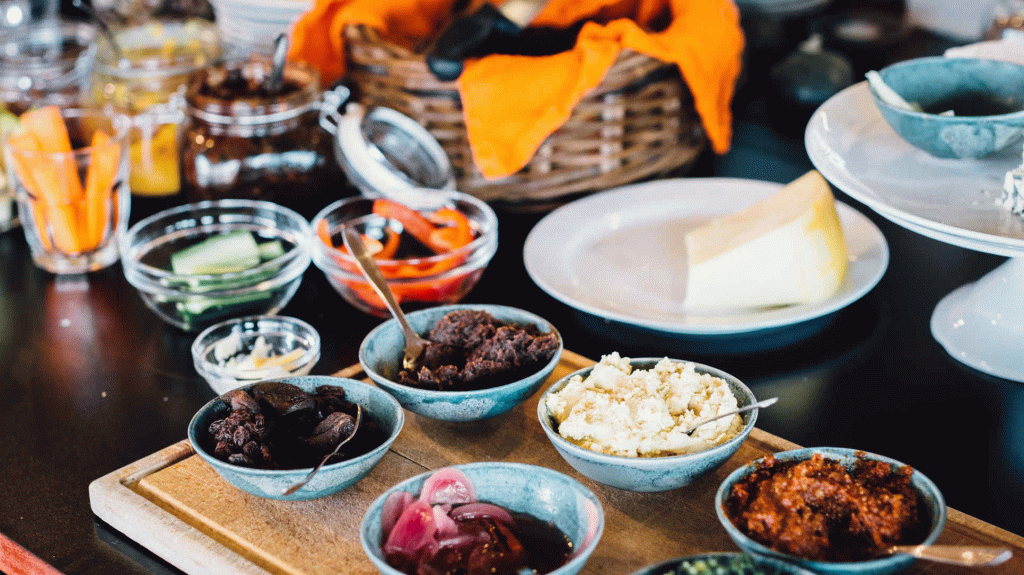
The dining scene in the Faroe Islands has evolved dramatically over the past decade. Whether you’re seeking fermented delicacies, fresh seafood or a Michelin-starred tasting menu, the Faroe Islands deliver.
For traditional Faroese food
- Ræst (Tórshavn) — Dedicated entirely to ræst and traditional Faroese preparations in a family-style setting.
- Åarstova (Tórshavn) — Classic Faroese lamb and locally sourced dishes in a charming wooden setting.
- Barbara Fish House (Tórshavn) — Fresh Faroese seafood in a unique rock-cut setting.
For fine dining
- PAZ (Tórshavn) — 2 Michelin stars; a refined tasting menu rooted in Faroese ingredients and nature.
- Roks (Tórshavn) — Modern Faroese seafood with a playful, relaxed approach and an excellent wine selection.
For a personal experience
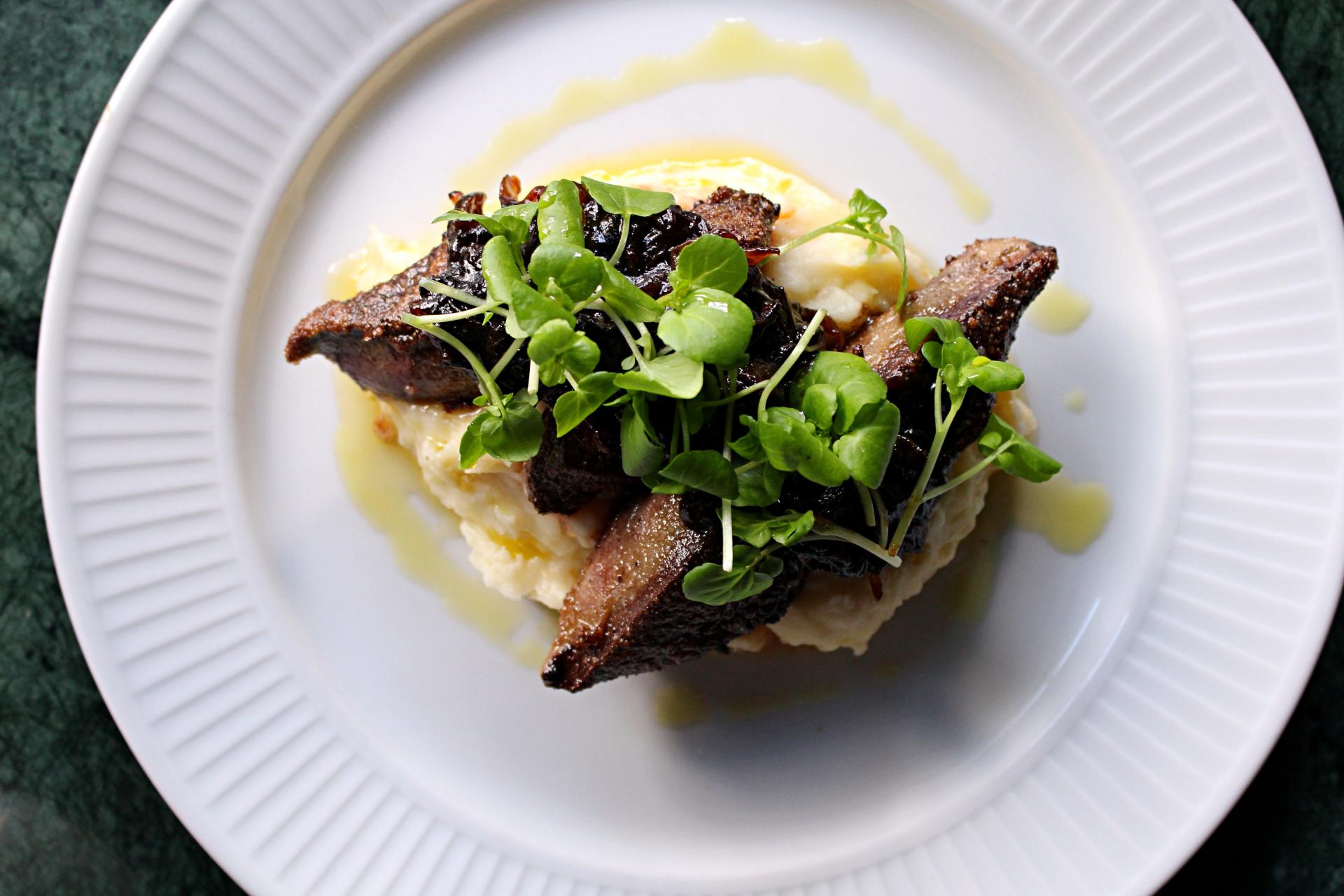
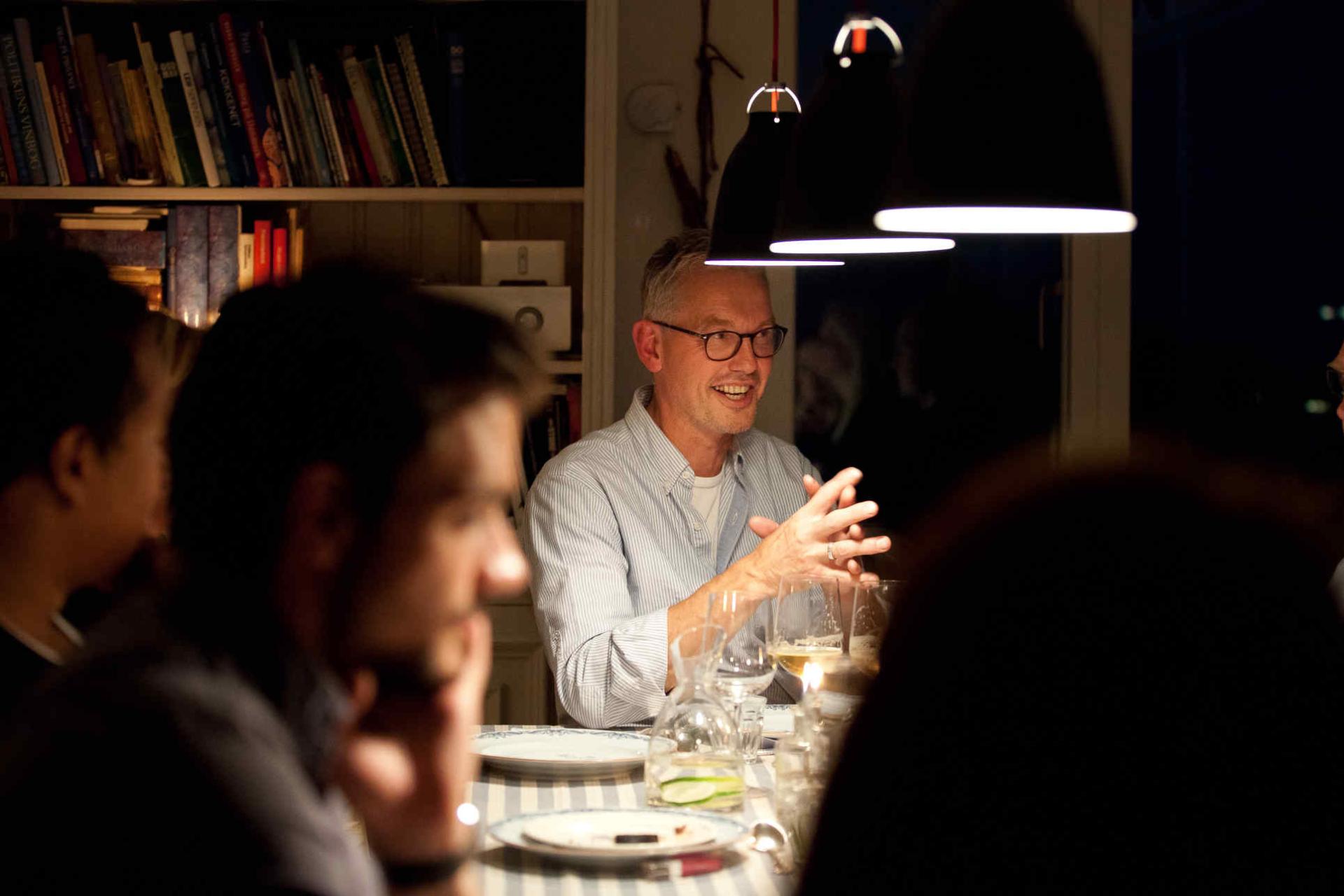
Heimablídni — A home-cooked dinner in a local Faroese family’s home. The most authentic food experience the islands can offer, where traditions are shared the way they have always been: around a table, among friends.
Faroese Food and Modern Nordic Cuisine
The Faroese restaurant scene has changed drastically over the past decade, driven by a generation of brilliant Faroese chefs. Leif Sørensen — one of the signatories of the 2004 New Nordic Food Manifesto alongside NOMA’s René Redzepi — first put Faroese cuisine on the international map. His legacy continues through chefs like Poul Andrias Ziska, whose PAZ restaurant in Tórshavn has earned two Michelin stars.
The philosophy is straightforward: celebrate what the islands provide. Pure, seasonal, locally sourced and deeply respectful of the traditions that sustained the Faroese people for over a millennium.
Frequently Asked Questions About Faroe Islands Food
What is the traditional food of the Faroe Islands?
Traditional Faroese food is built around fermented and wind-dried meat and fish, fresh Atlantic seafood, and organic lamb. The most iconic dish is skerpíkjøt — wind-dried mutton fermented for five to nine months. Other staples include ræstur fiskur (fermented cod), fresh cod and salmon, and root vegetables like potatoes and turnips.
What does ræst taste like?
Ræst — the Faroese word for fermentation — produces an intensely flavoured, funky and deeply savoury taste that is difficult to describe but impossible to forget. The closest reference is a combination of aged cheese, blue cheese and umami-rich cured meat. It is not for the faint-hearted, but dedicated food lovers tend to find it revelatory.
Where can I try traditional Faroese food?
The best places to try traditional Faroese cuisine are Ræst restaurant and Åarstova in Tórshavn. For a personal experience, book a Heimablídni meal — a home-cooked dinner hosted by a local Faroese family. Fine dining options include PAZ (2 Michelin stars) and Roks.
Is Faroese food vegetarian-friendly?
Faroese cuisine is traditionally meat- and fish-heavy, but the dining scene has evolved. Restaurants like Bitin in Tórshavn offer vegetarian and vegan-friendly options. Fresh root vegetables, herbs and seaweed also feature increasingly on modern Faroese menus.
What fish is the Faroe Islands known for?
The Faroe Islands are renowned for their Atlantic salmon, cod, halibut, langoustine and sea urchin. Faroese salmon is prized for its quality — bred in cold, spacious Atlantic waters and notably rich in omega-3. Faroese langoustines are considered among the finest in Europe and are served in top restaurants worldwide.