




WEATHERWISE IN THE
FAROE ISLANDS
Link Copied!

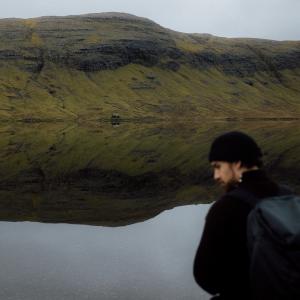
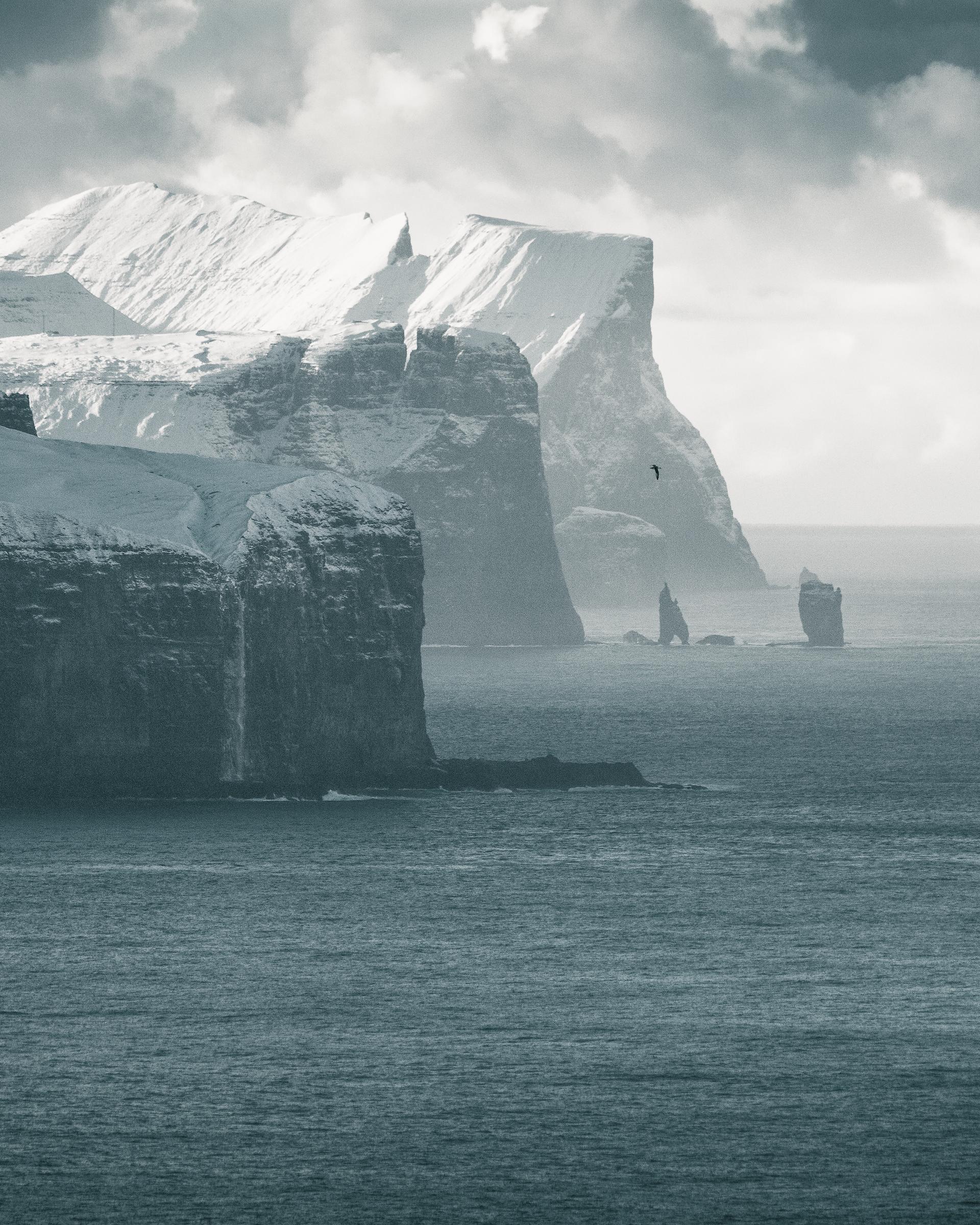
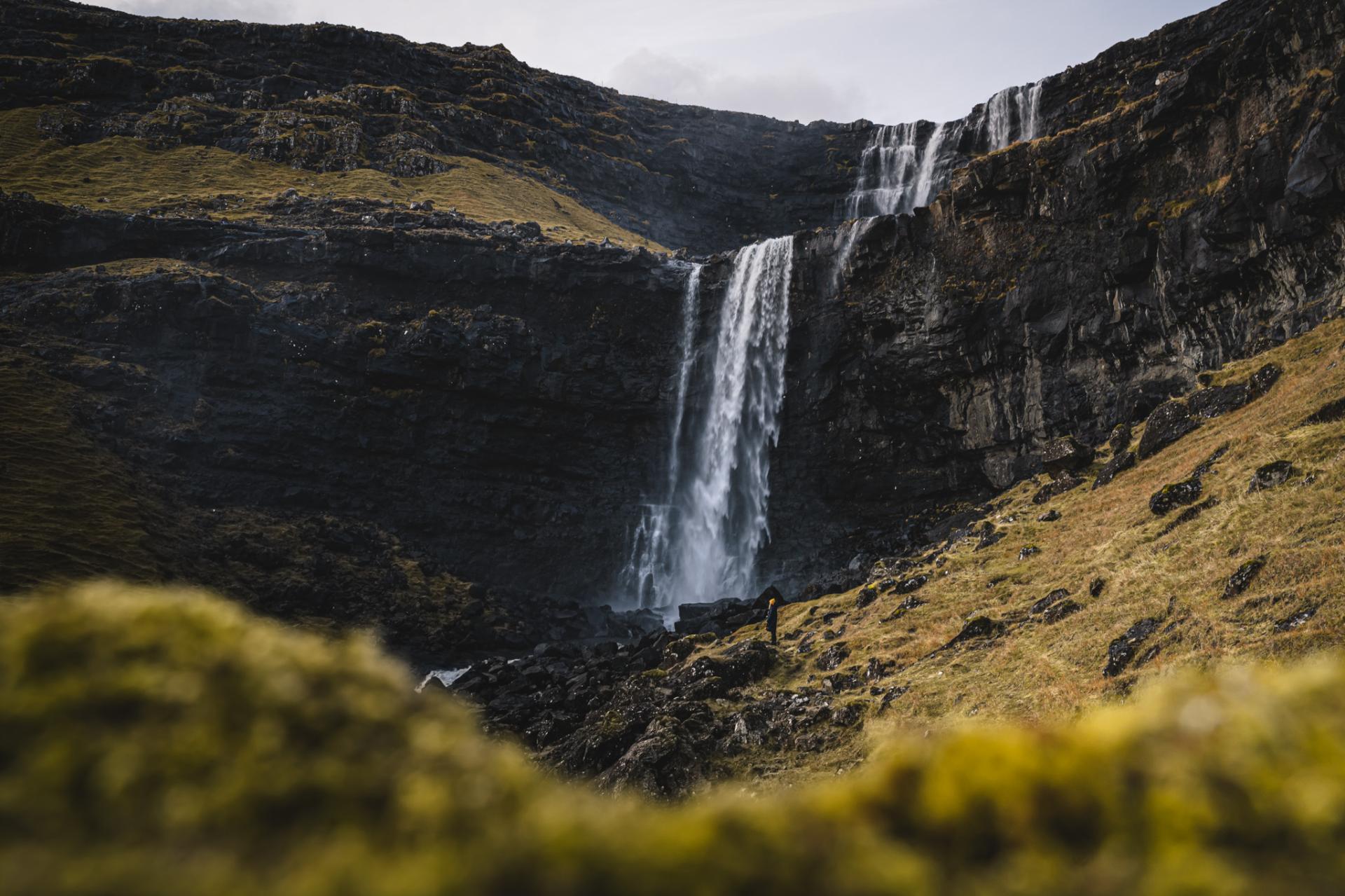
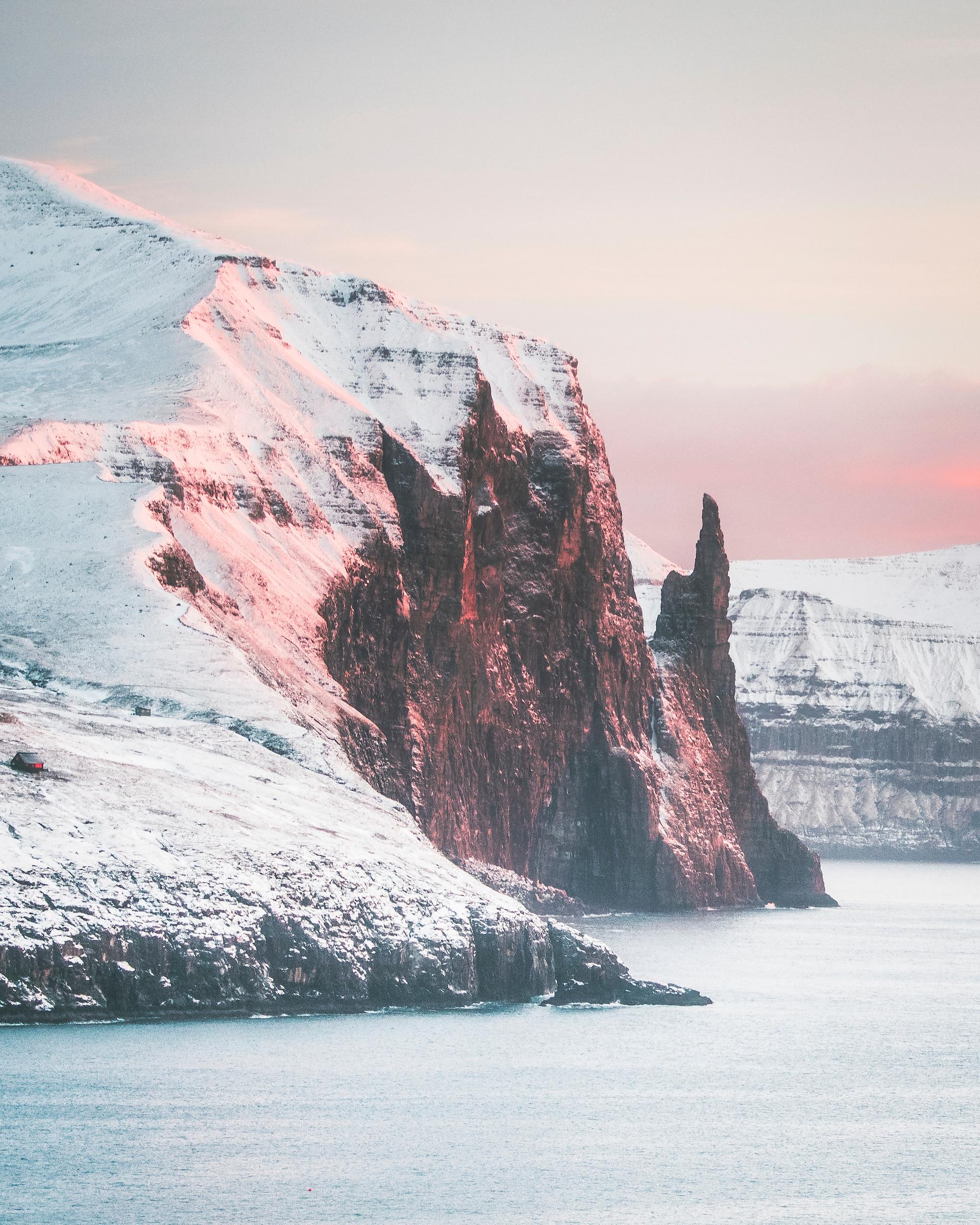
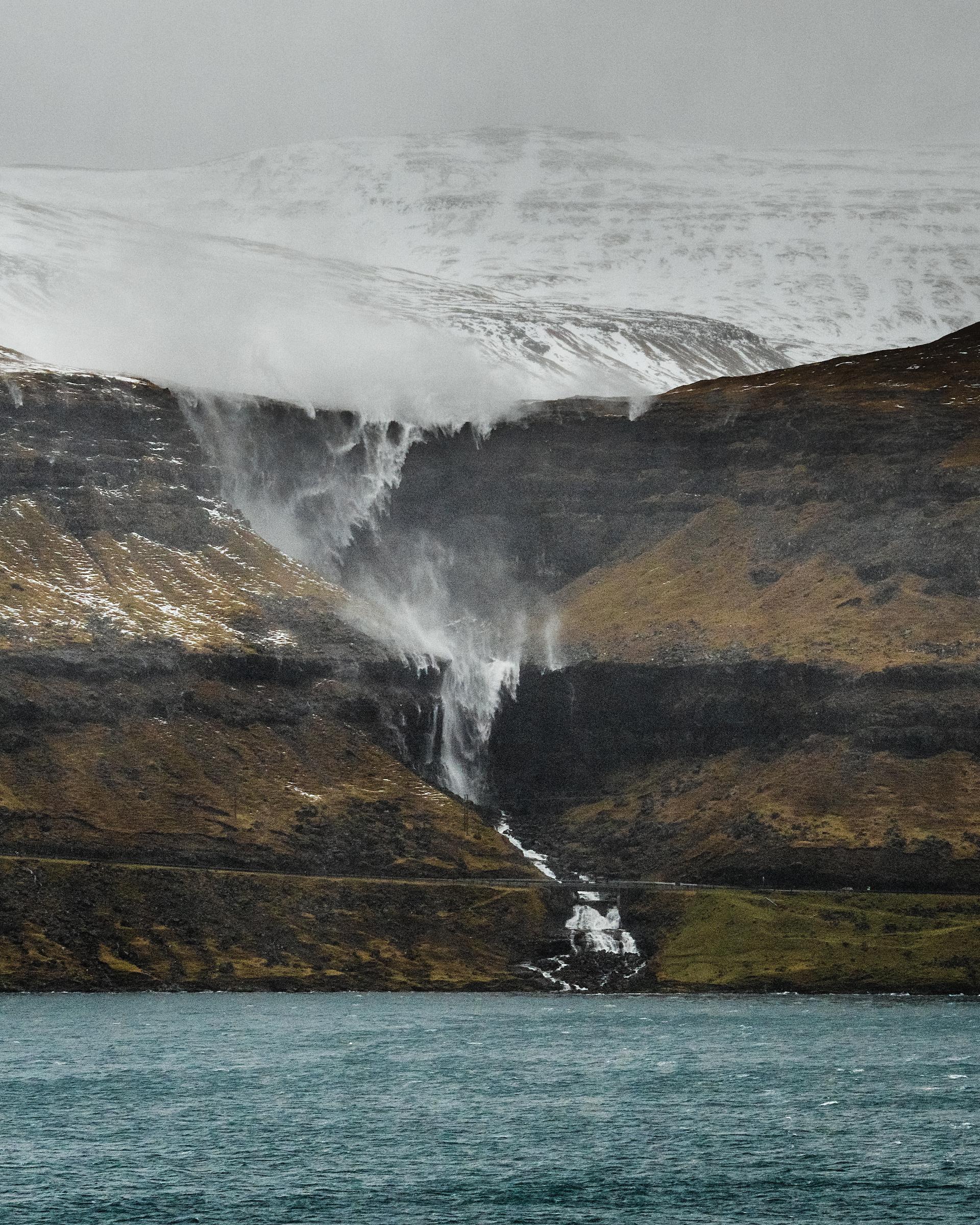
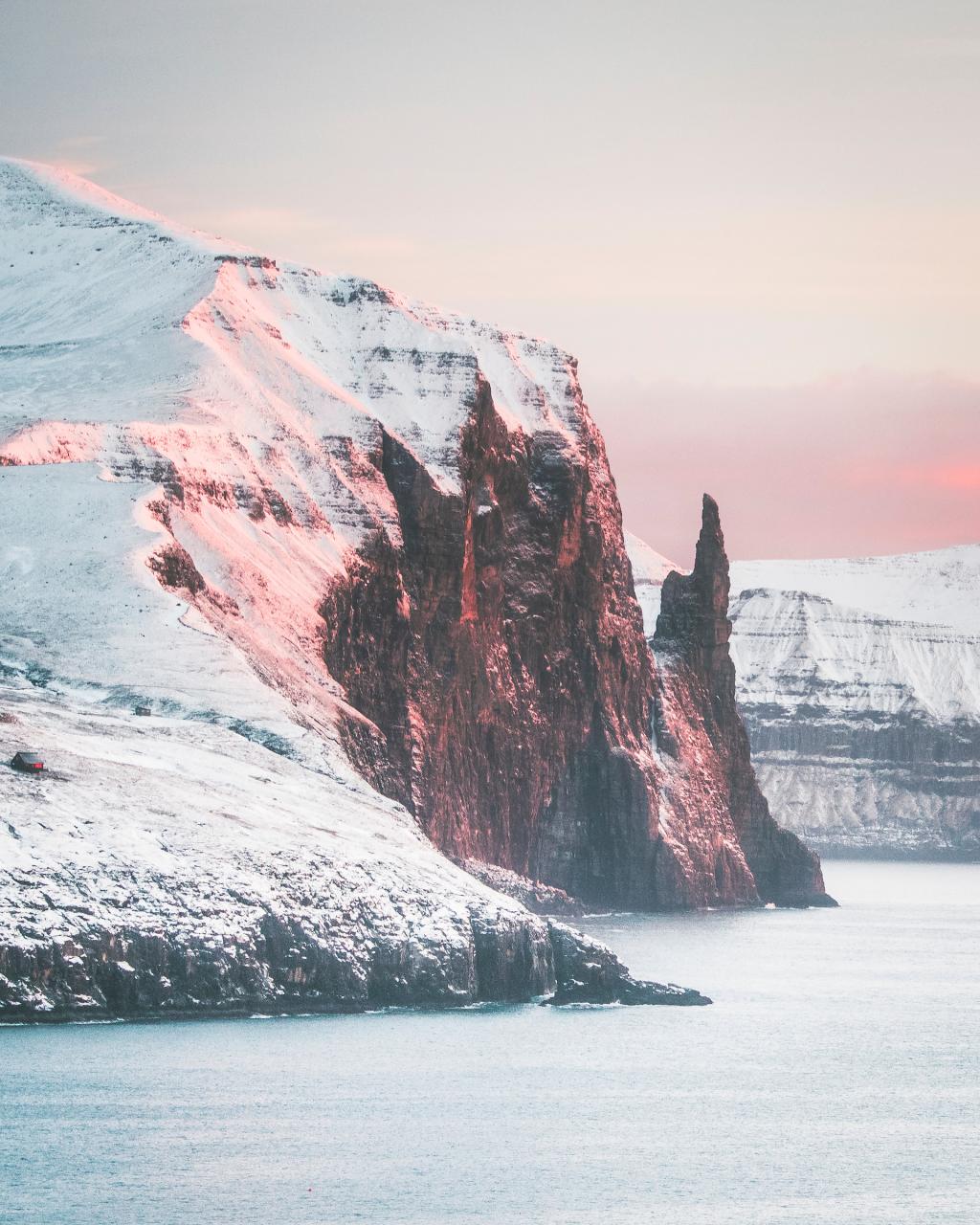
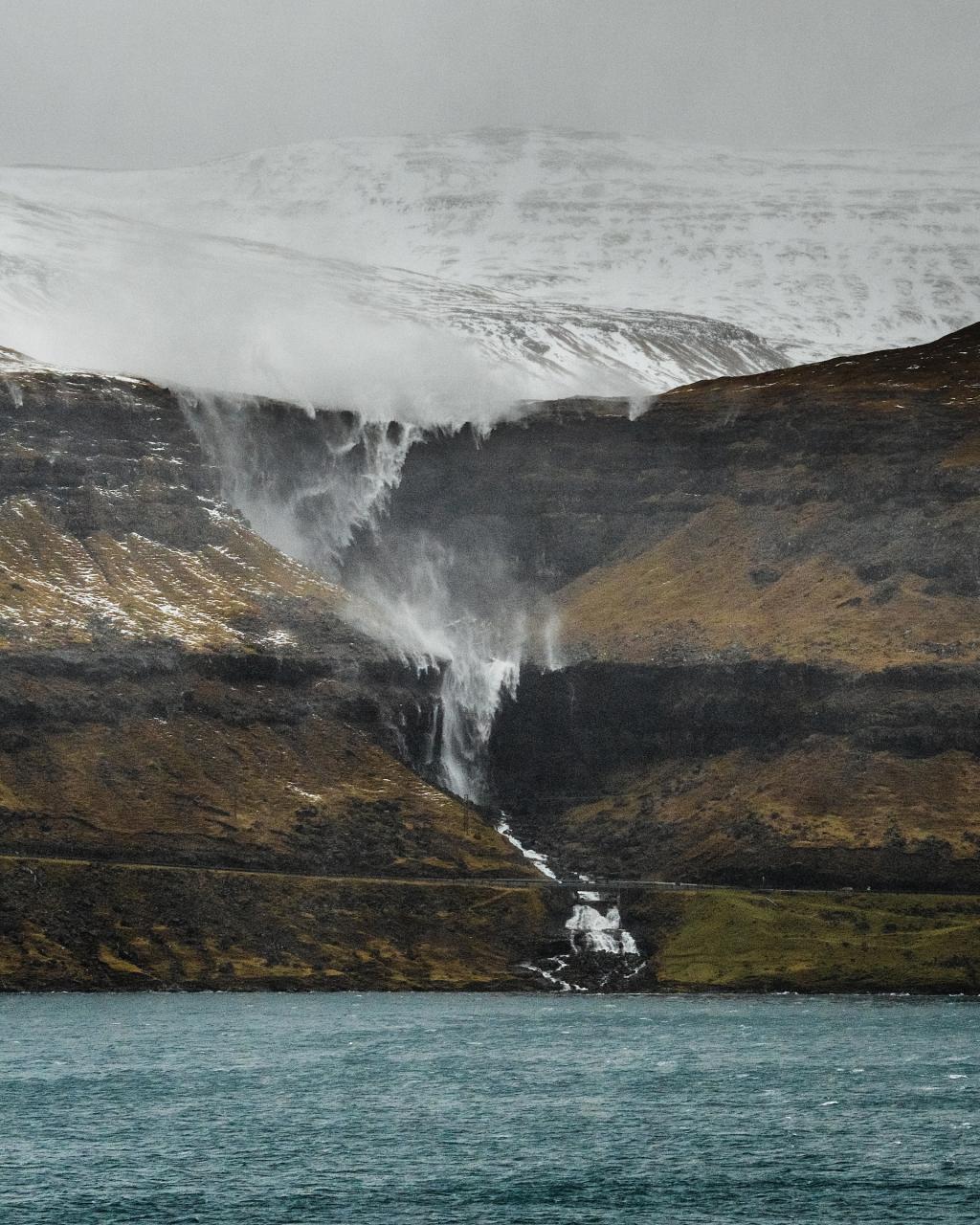
Adrift in the North Atlantic Ocean lies the 18-island archipelago covered in a gloomy, stormy tide, where hills are dancing in raindrops & silky clouds. Now, this might be a Winter tale happening during early Spring, a sight that is not too uncommon on these shores.
Firstly, 'Vælkomin'!
You have arrived to the land where the weather is the ruler of all plans. The four seasons can occur on the same day, making it a place for brave, hopeless dreamers and mystery seekers. Winter in the Faroe Islands usually lasts from December until February; however, snowstorms and rainy winds alike can occasionally make an impromptu visit in March, April & even May. Summer can show a stunning blend of fog and sun.
Therefore, due to the unpredictability of the weather, visitors must take some precautions before arriving. For you to make safe and mindful choices during your stay, we have gathered some recommendations below.

9 Weather-friendly tips
- The weather can change in the blink of an eye, be sure to check the local weather should you wish to go to explore outside the capital to one of the smaller villages.
- Always travel with others. Book a local guide or go on a group tour. Should the weather change all of a sudden with fog, rain or strong winds, be sure to notify the authorities of your whereabouts before trying to get back on your own (especially relevant with fog).
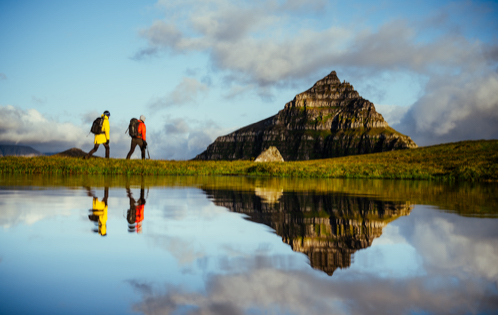
- Keep your phone charged before going out on a hike, bring proper hiking boots and notify others of your whereabouts by using our Safe Travel leaflet. The leaflet can be downloaded or picked up at regional information centres, car hires, and at Vágar Airport, among other places.
- The main roads are typically cleared of snow, but make sure to check the driving conditions on Landsverk. As there might be hours during the early morning and late evening when they have stopped clearing the road for snow and some villages are snowed in and thus not accessible by car.
- We do not recommend any of the more popular or even medium hikes during this time, as conditions are very uncertain and not safe.
- During winter, go for an easy hike or walk a shorter distance. However, even if there is not much snow in the towns, there will be snow in the mountains. If you wish to experience some of our wild spots, be sure to do so with a local guide or seek advice at a regional information centre.
- We might be 55,000 people, but these islands are a wildly popular home for sheep, 80,000, to be exact. Thus, when on the road, be wary of any hippie sheep roaming freely on the highway. Always respect nature, its wildlife, and its limits.
- Respect your surroundings & be a kind guest. Leave no trash behind on your travels, and avoid going alone by car without knowing the weather forecast or conditions beforehand.
- Always pack appropriate clothes for the changing weather, especially proper hiking footwear, a rainproof jacket, and a warm woollen hat go a long way. See more inspiration on what to pack here.