Regional guide 

SOUTH STREYMOY & ISLANDS

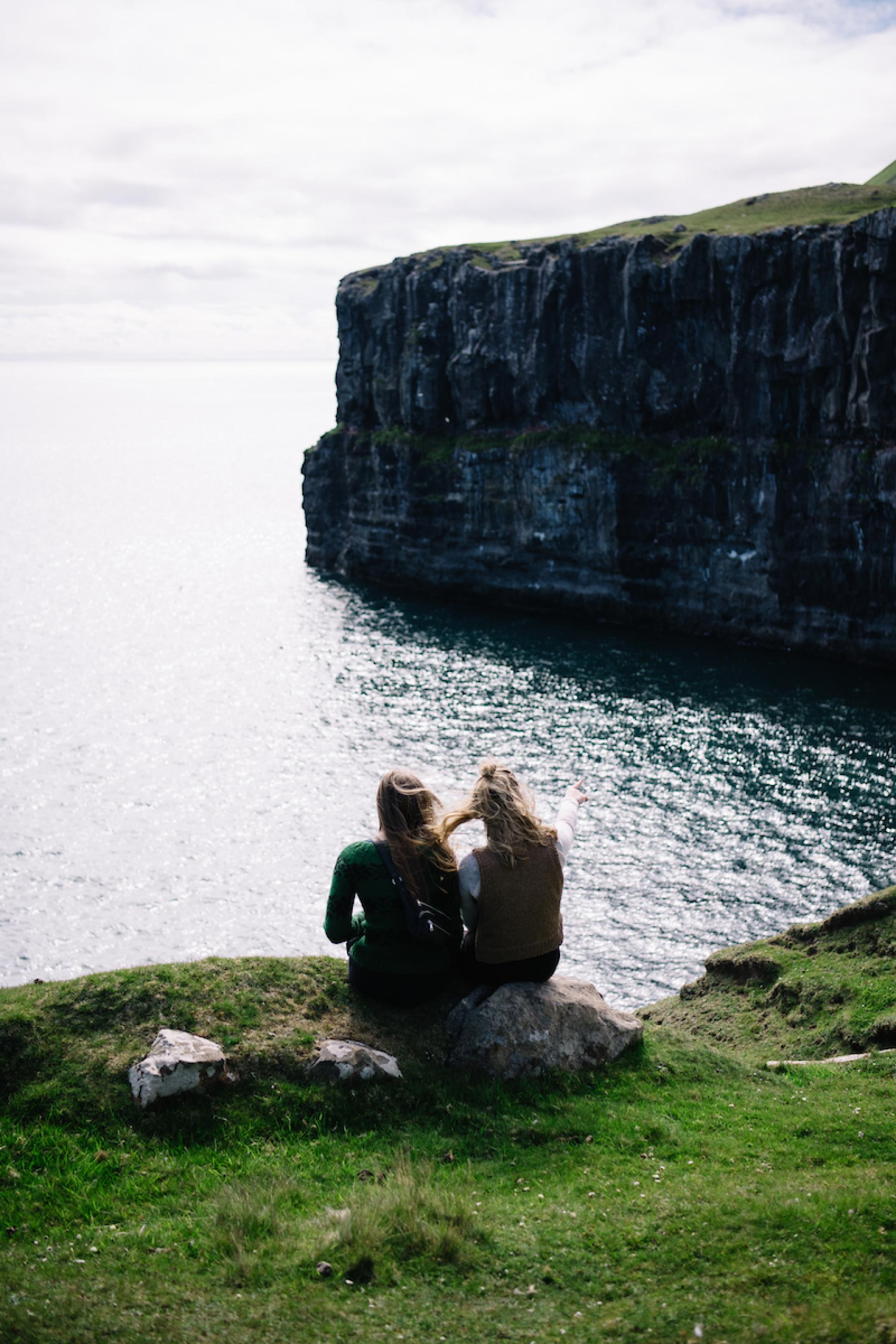
Escaping the everyday is the whole point of a holiday—preferably without crowds, noise, or someone waving a selfie stick in your face. Luckily, the Faroe Islands are still one of Europe’s best-kept secrets, offering off-the-beaten-track alternatives. So if you’re the type who appreciates raw nature, stunning landscapes, and a pace of life that makes rush hour feel like a myth, then southern Streymoy is exactly where you want to be.

Hestur

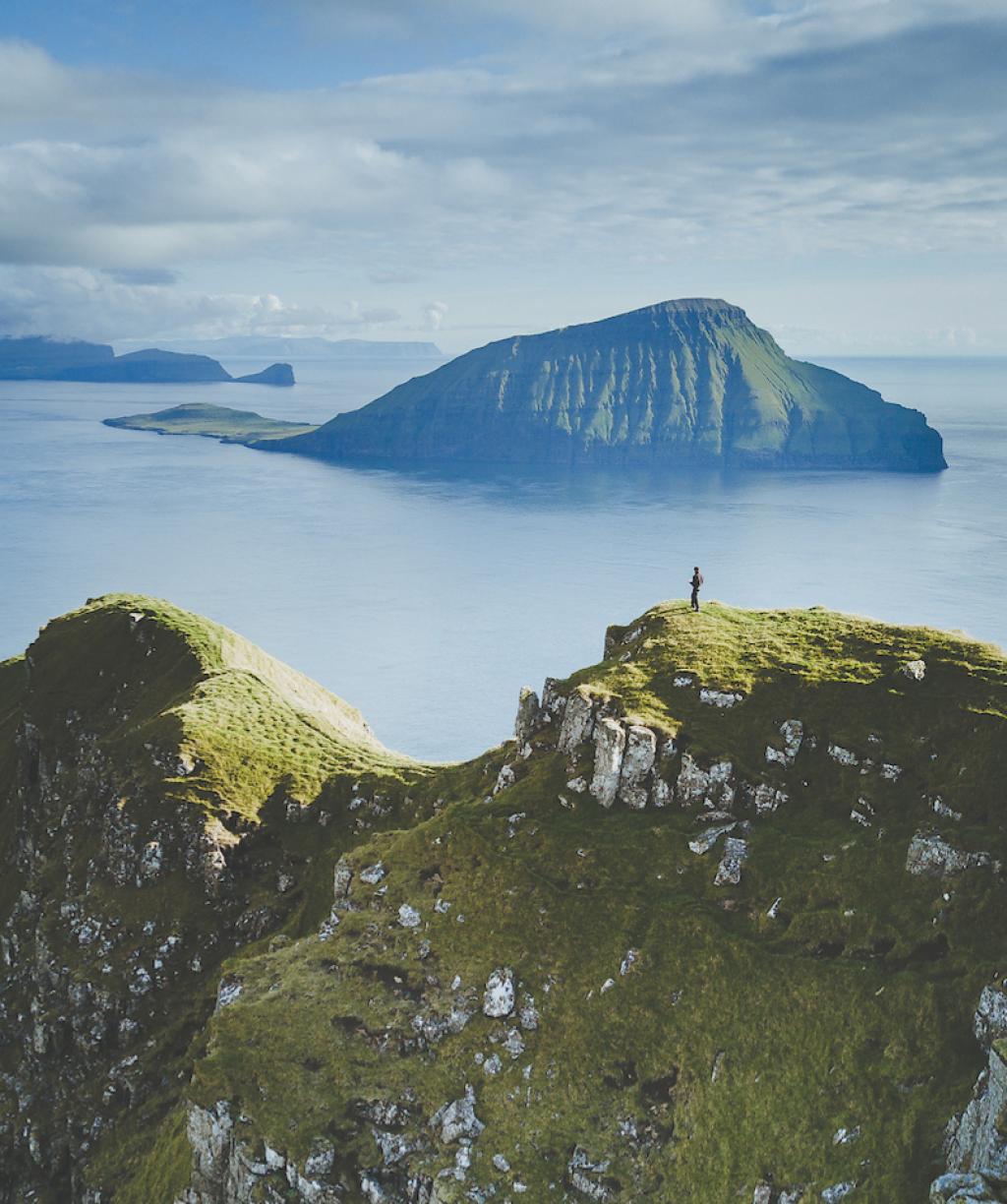
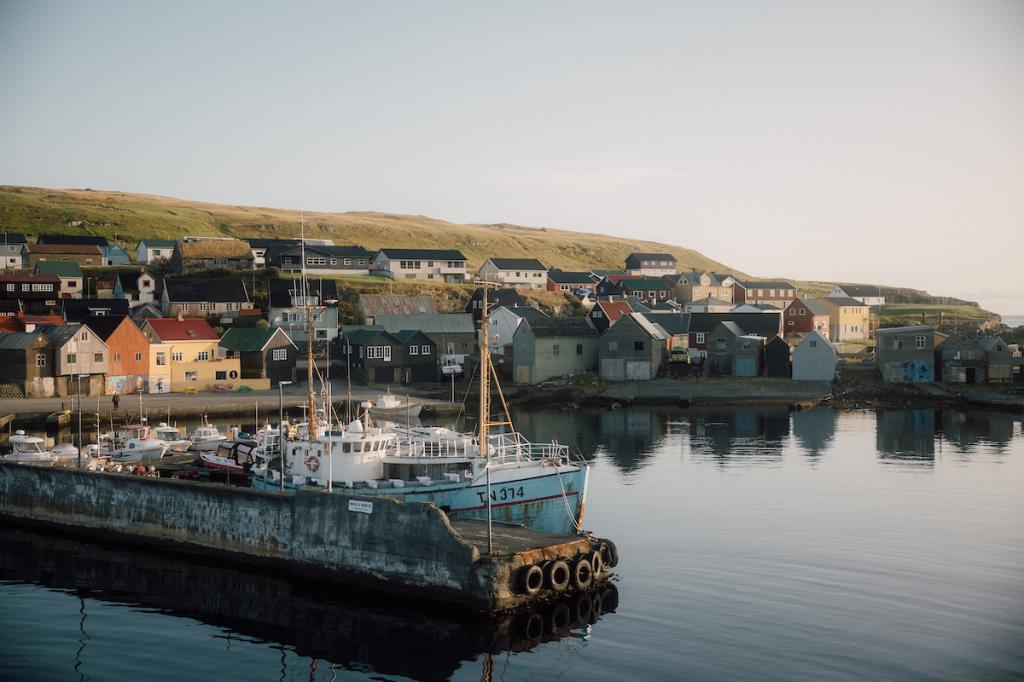
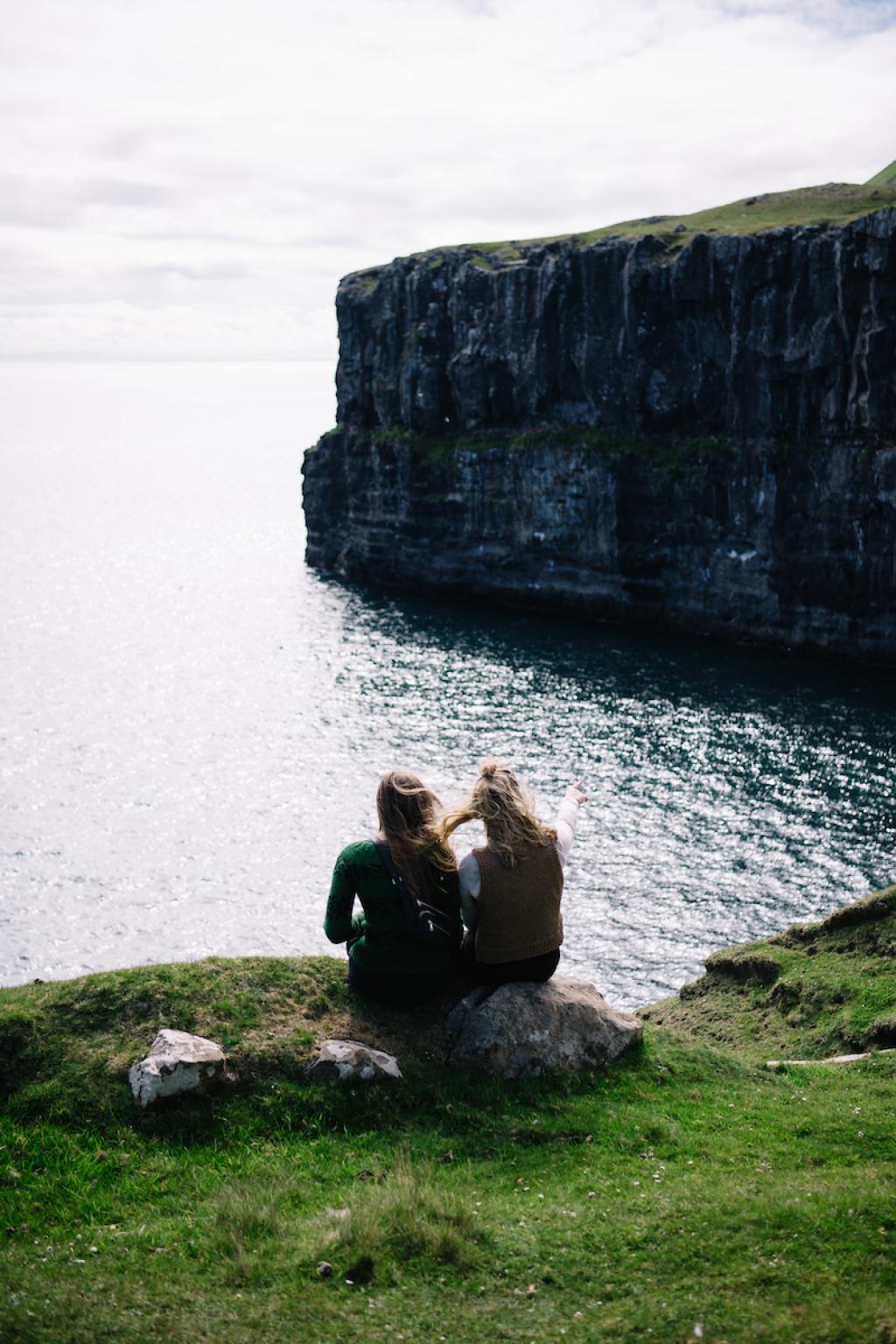
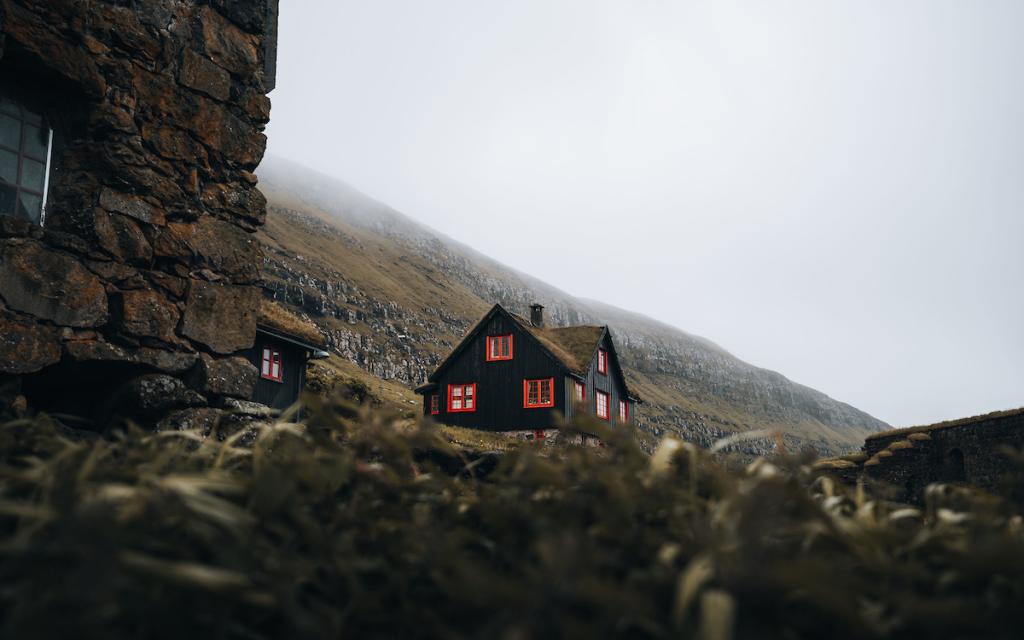
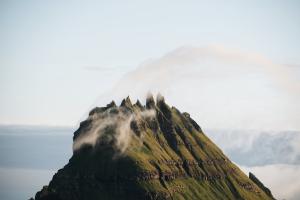
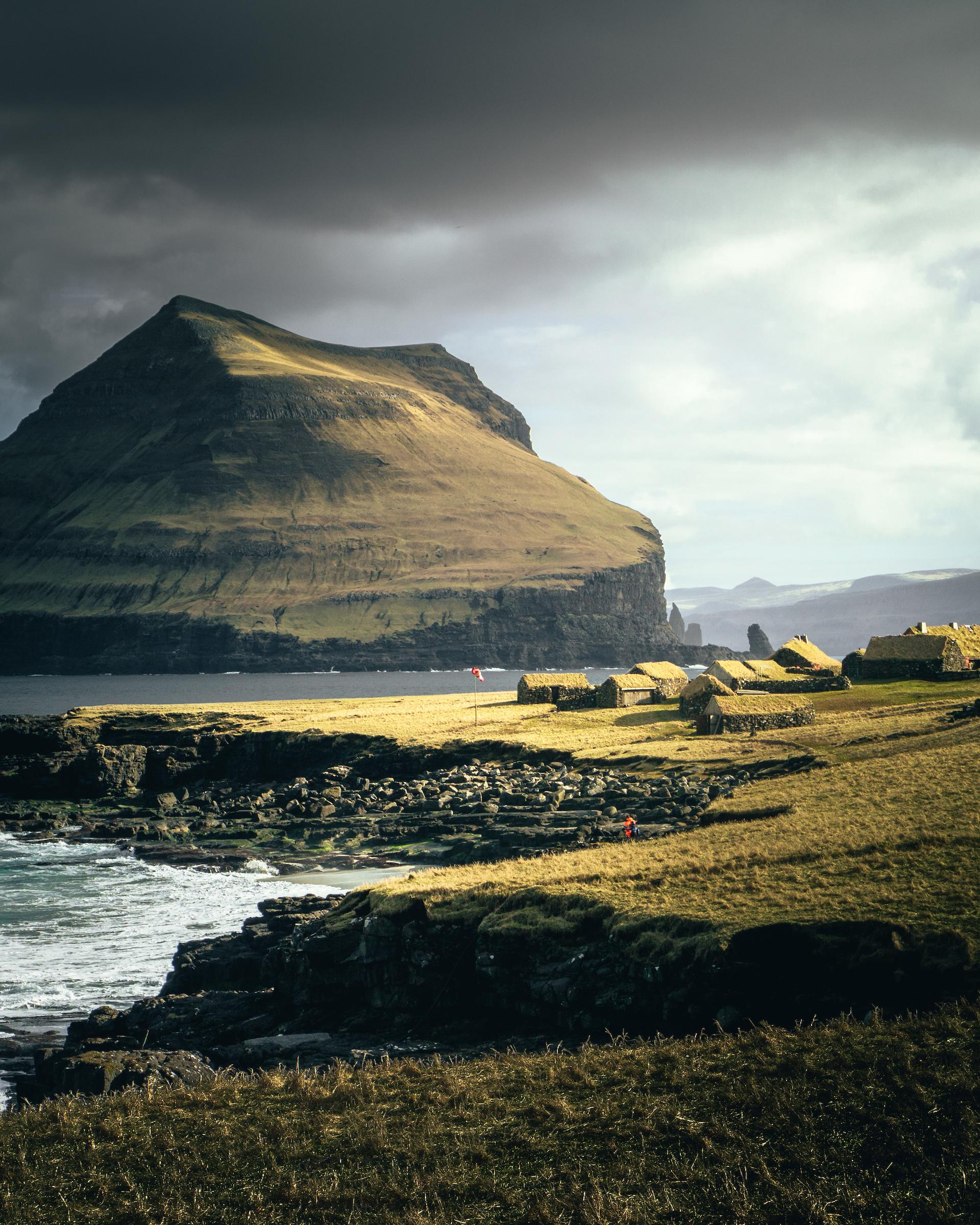
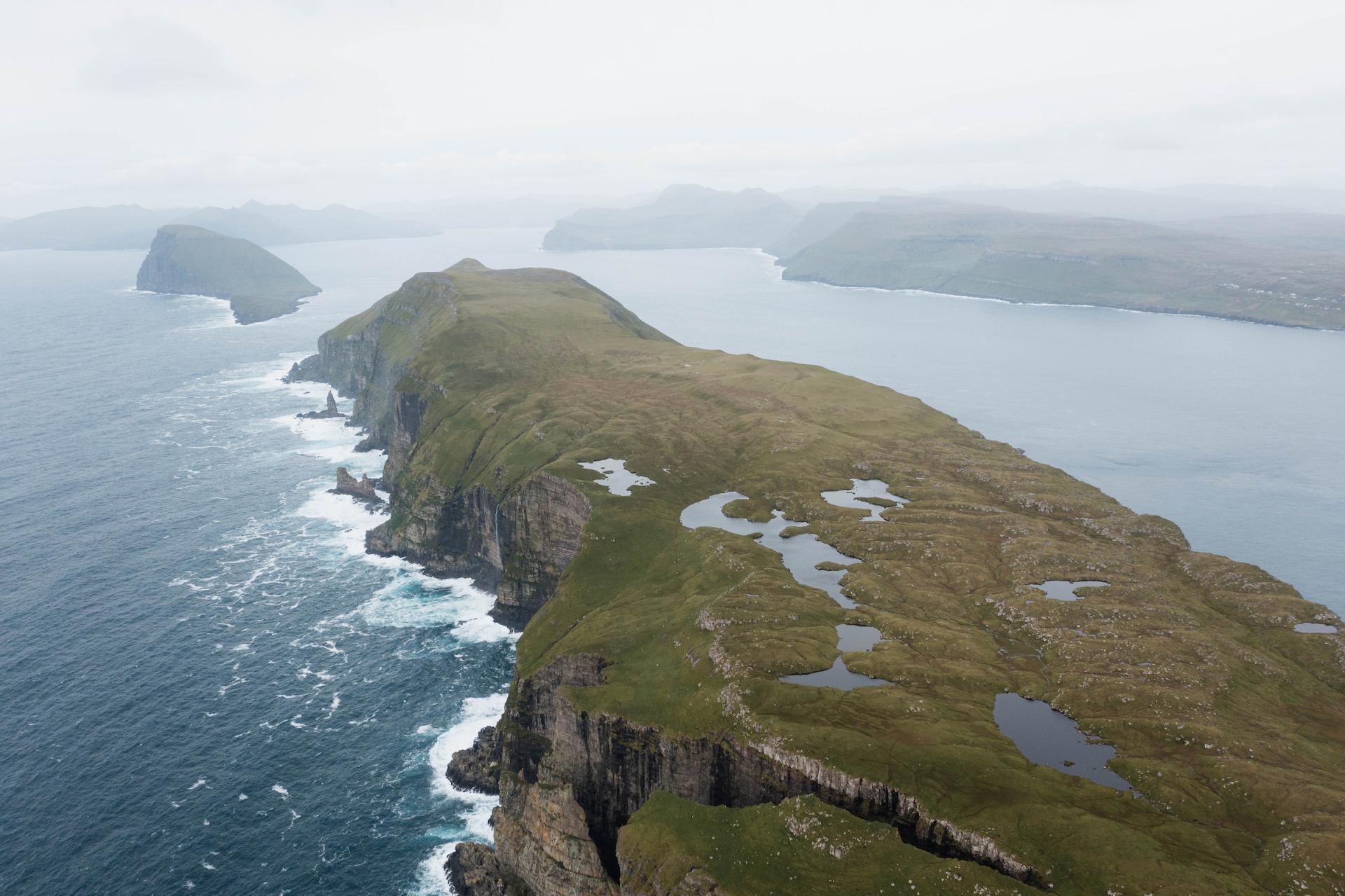
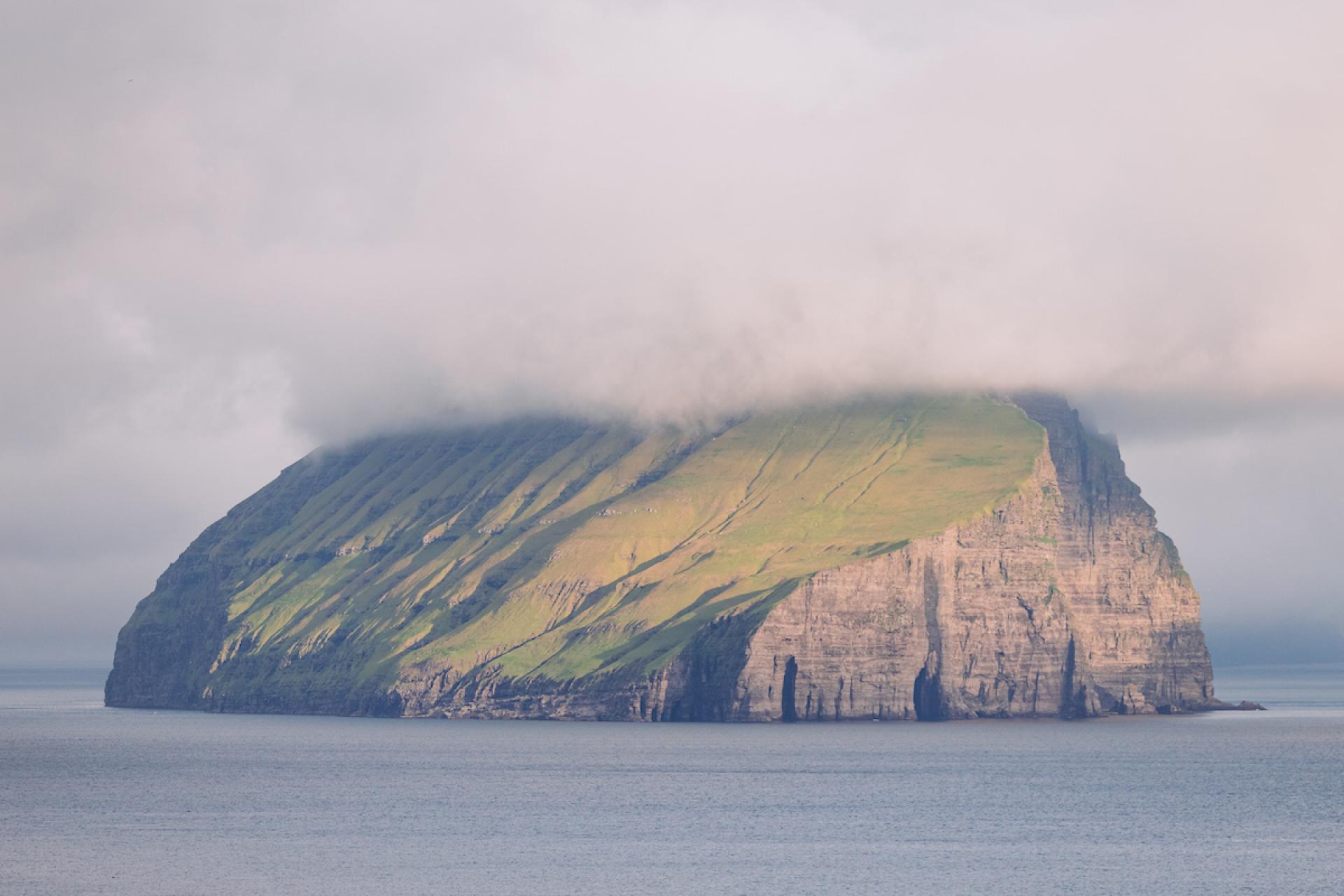
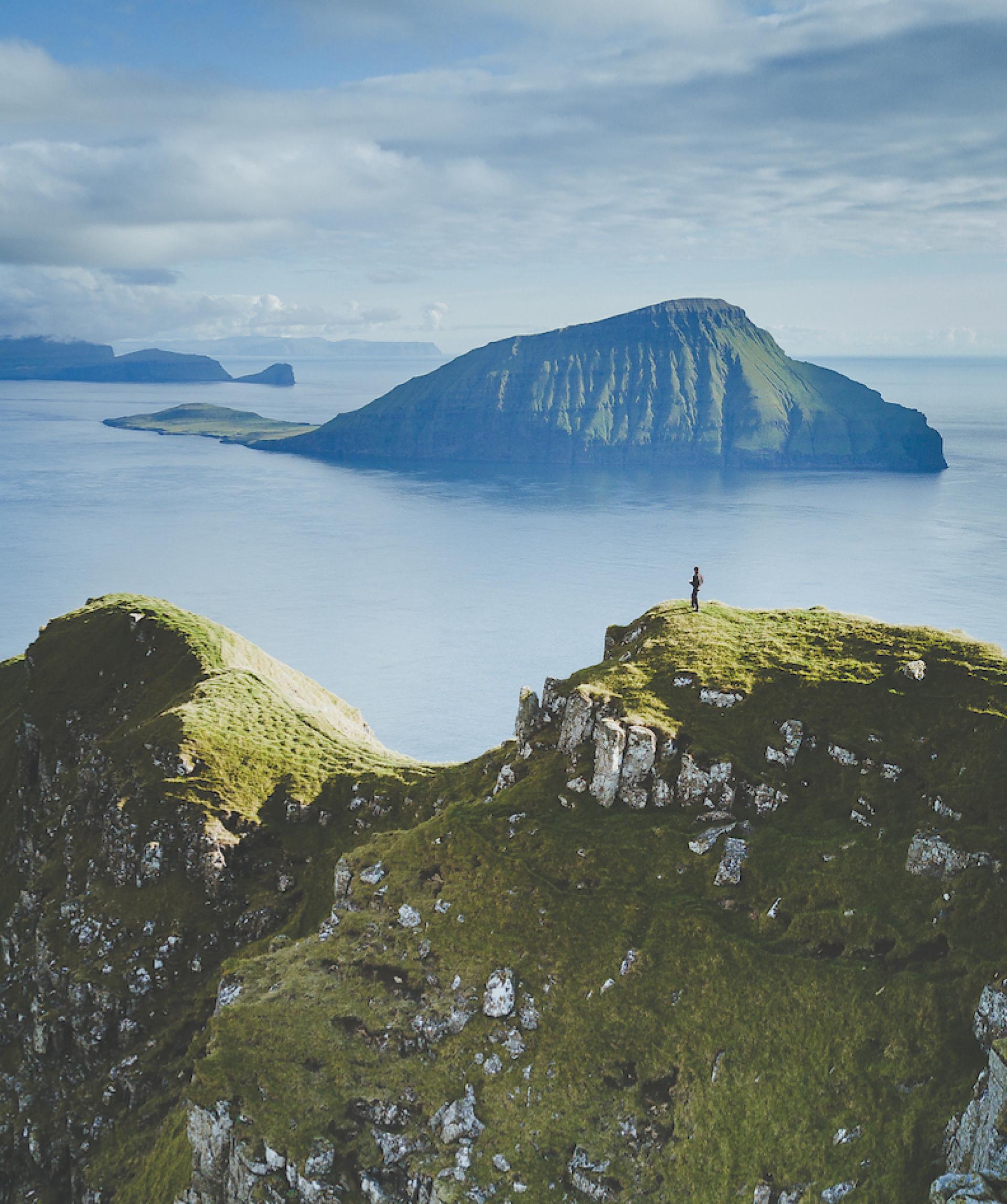
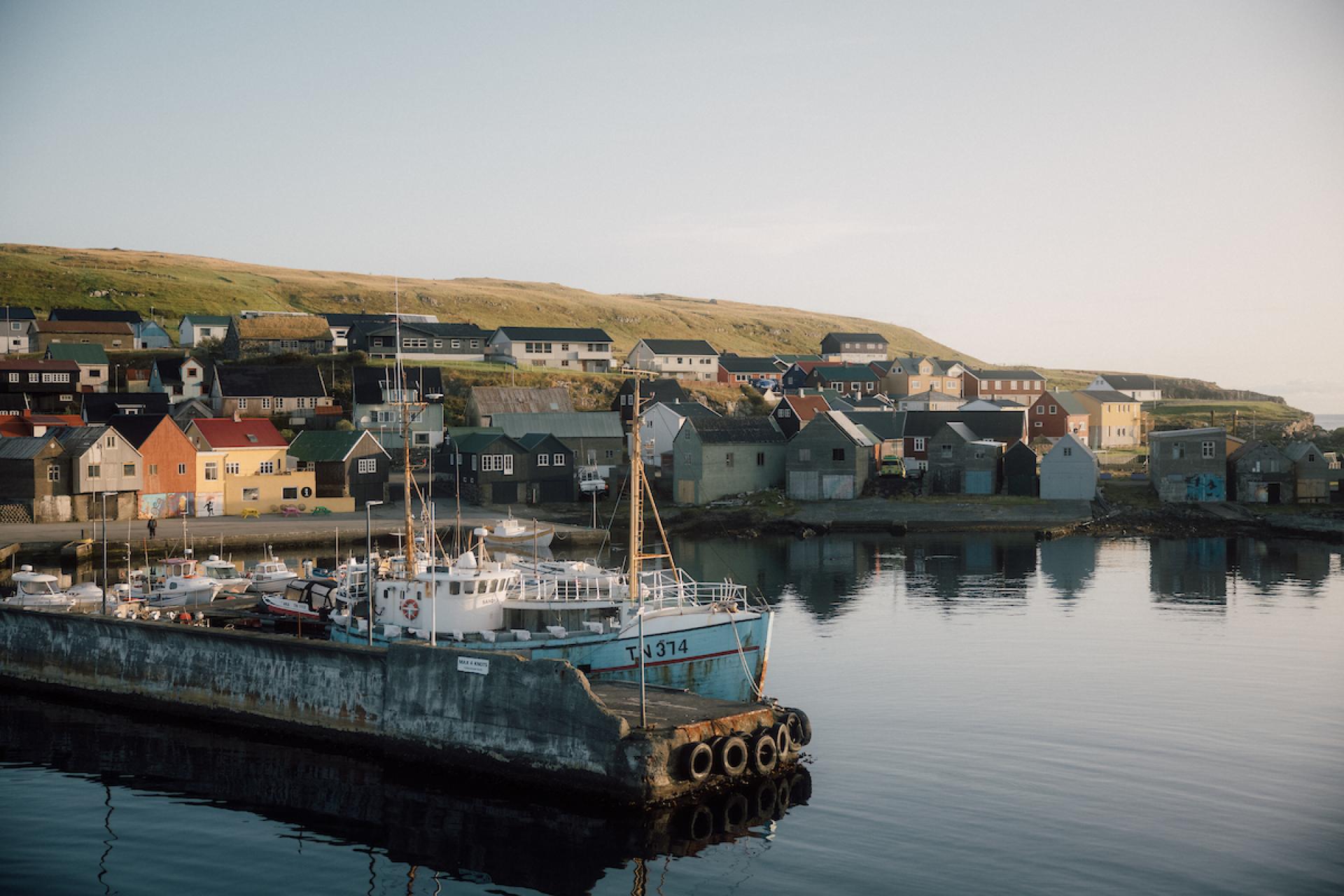
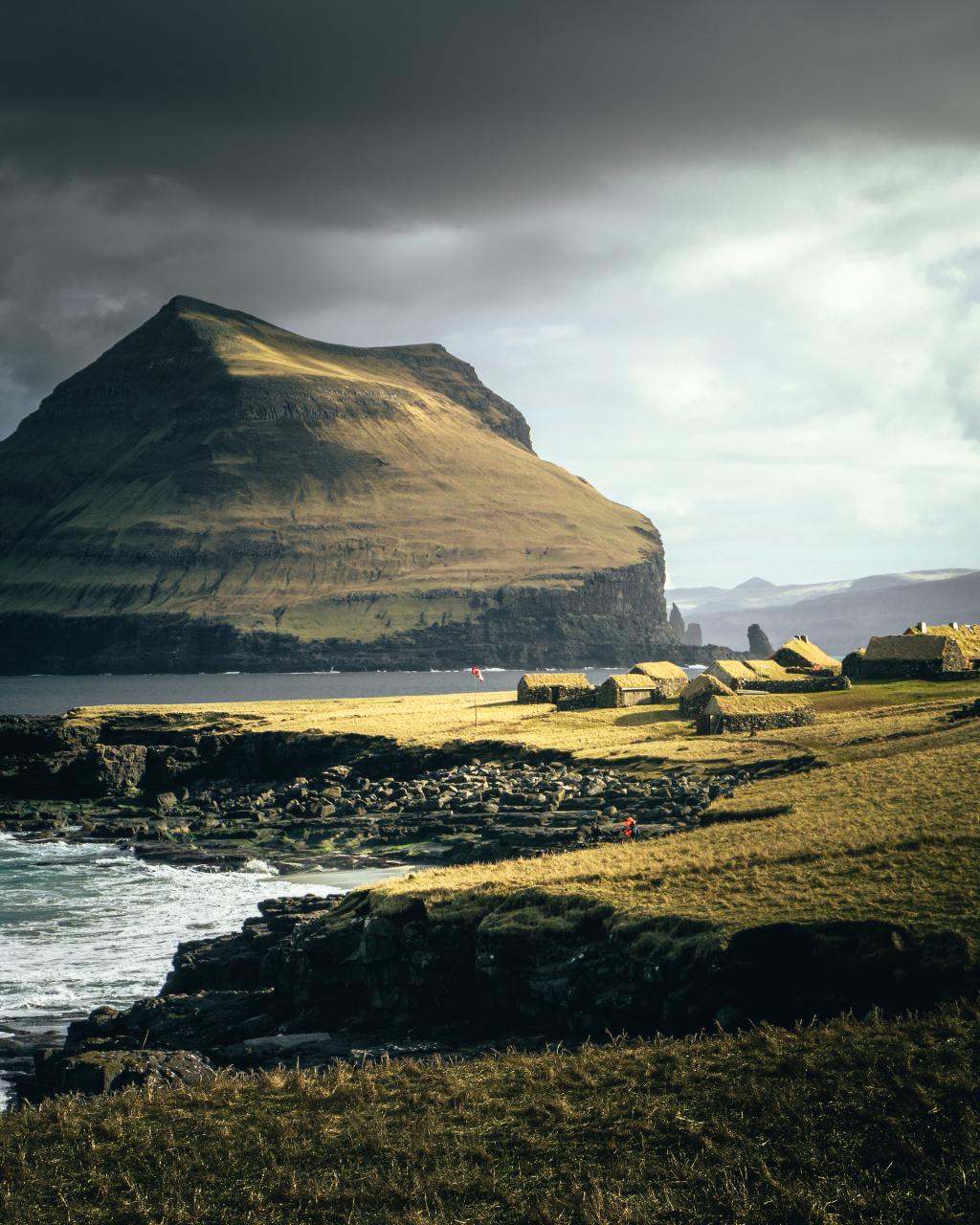
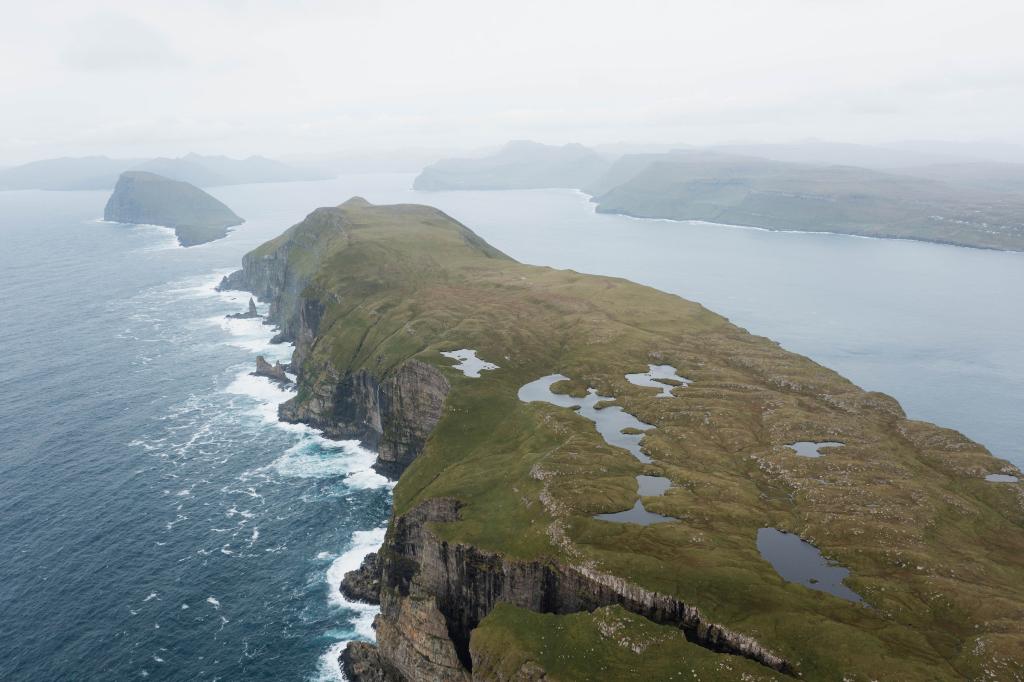
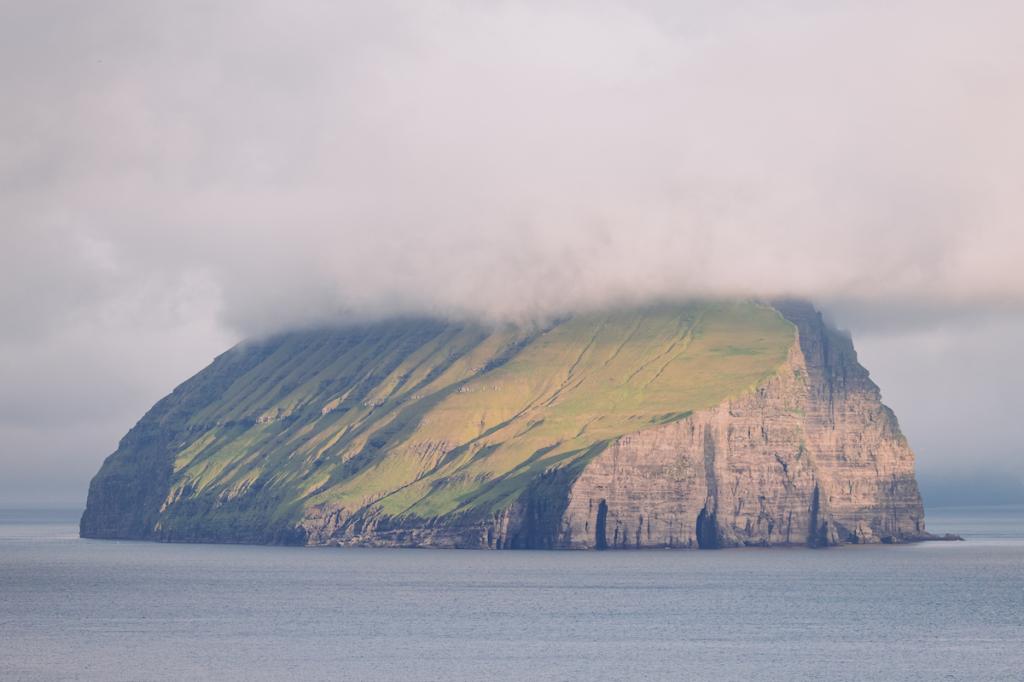
If you’re looking to really escape – we’ve got the perfect place. The island of Hestur, off the southwestern tip of Streymoy, ticks that box perfectly. Hestur sees relatively few visitors and life here for the twenty or so people who call the island home is as real and genuine as it gets. But don’t think that Hestur is off most people’s agenda because it’s unattractive – far from it. The island is big on the wow-factor, dominated by two impressive peaks, both around 420m above sea level, and the island’s west coast consists of an impenetrable wall of sheer cliffs, favoured by many species of seabirds, especially guillemot. Pleasures here are simple: take a hike on top of the island with spectacular views, take an ocean dip, visit the island's swimming pool or simply stroll around the tiny village, watching the comings and goings of fishing boats, or perhaps out to the lake, Fagradalsvatn, towards the southern tip of the island.

The no-man swimming pool 

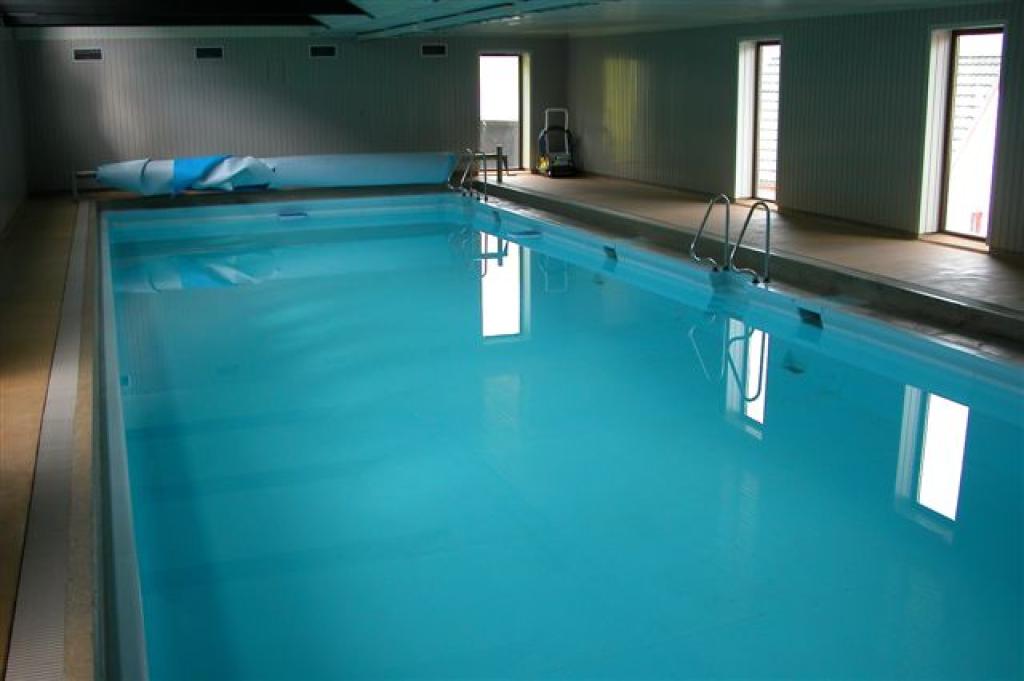
The swimming pool on Hestur is a bit of a mystery. It’s there, it’s heated, it’s perfectly swimmable and ready for guests—yet often empty. There’s no lifeguard, no crowds, no sign-up sheet. Just a quiet, blue rectangle waiting for the lucky few who have access. If you want in, you’ll need to track down a local with the keys—good luck with that.

Koltur

Nólsoy

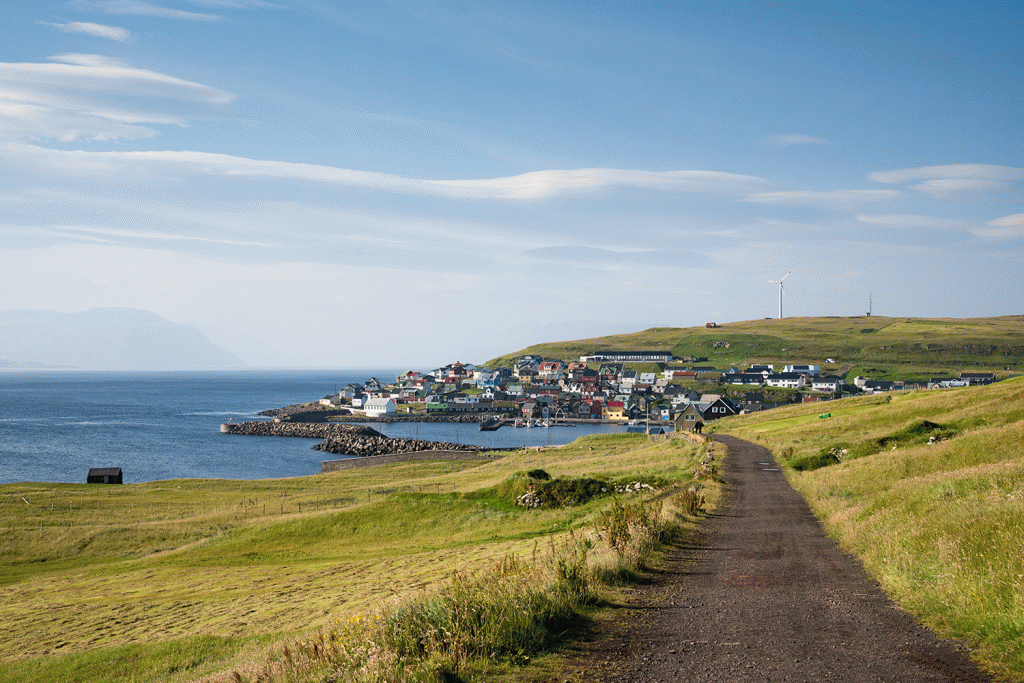
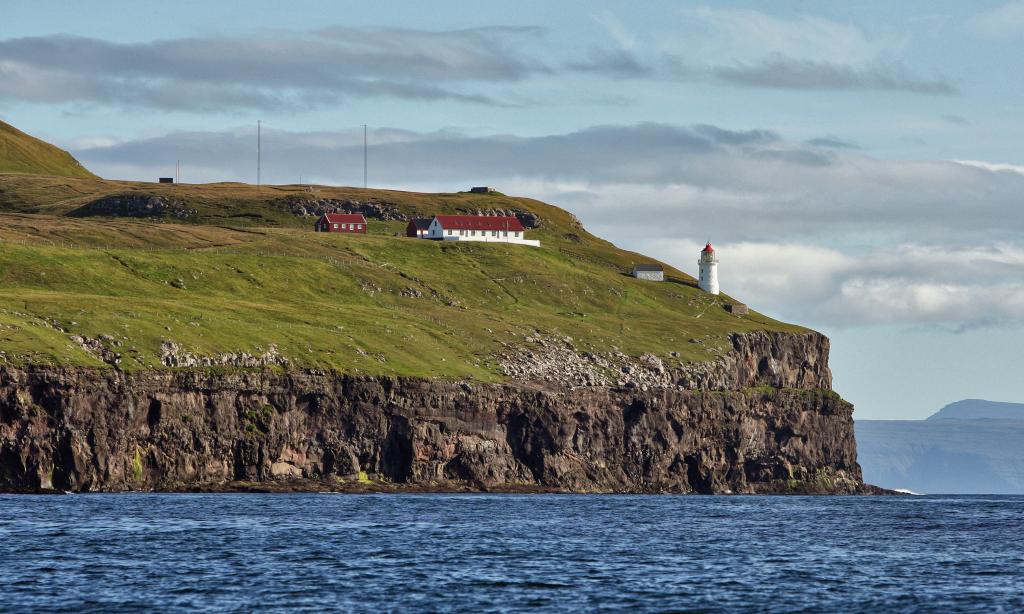
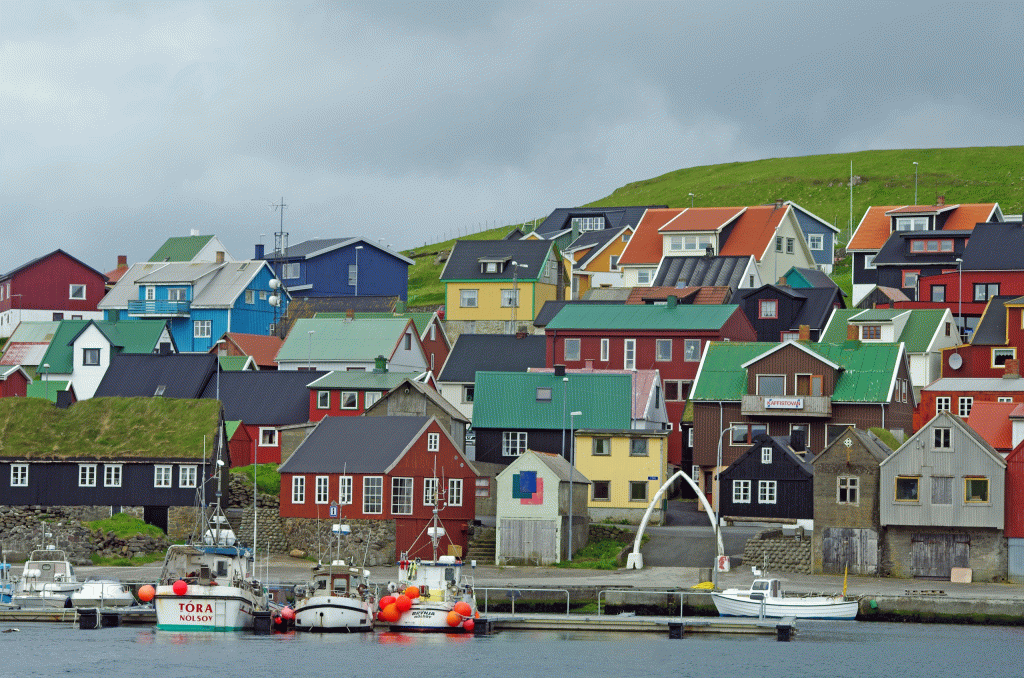
Of the three smaller islands that lie off southern Streymoy, Nólsoy is the real draw (known as the Nordic's Ibiza). Not only is Nólsoy, which can be clearly seen east of Tórshavn, much easier to reach by ferry than Hestur, making it a perfect destination for a day trip from the capital, but it also provides a genuine insight into island life in the Faroes. Nólsoy is also of great importance, too, for birdlife – the island has been designated a RAMSAR area (named after an international treaty which protects especially biodiverse areas) as it’s home to the largest colony of storm petrels anywhere in the world.  A good way to see Nólsoy is to hike to the island’s southernmost point, Borðan, marked by a lighthouse – the trail takes around 4-5 to complete in total. 

Kirkjubøur

Back on southern Streymoy itself, one of the Faroes’ most historically significant sites is within easy striking distance of the capital: Kirkjubøur. 

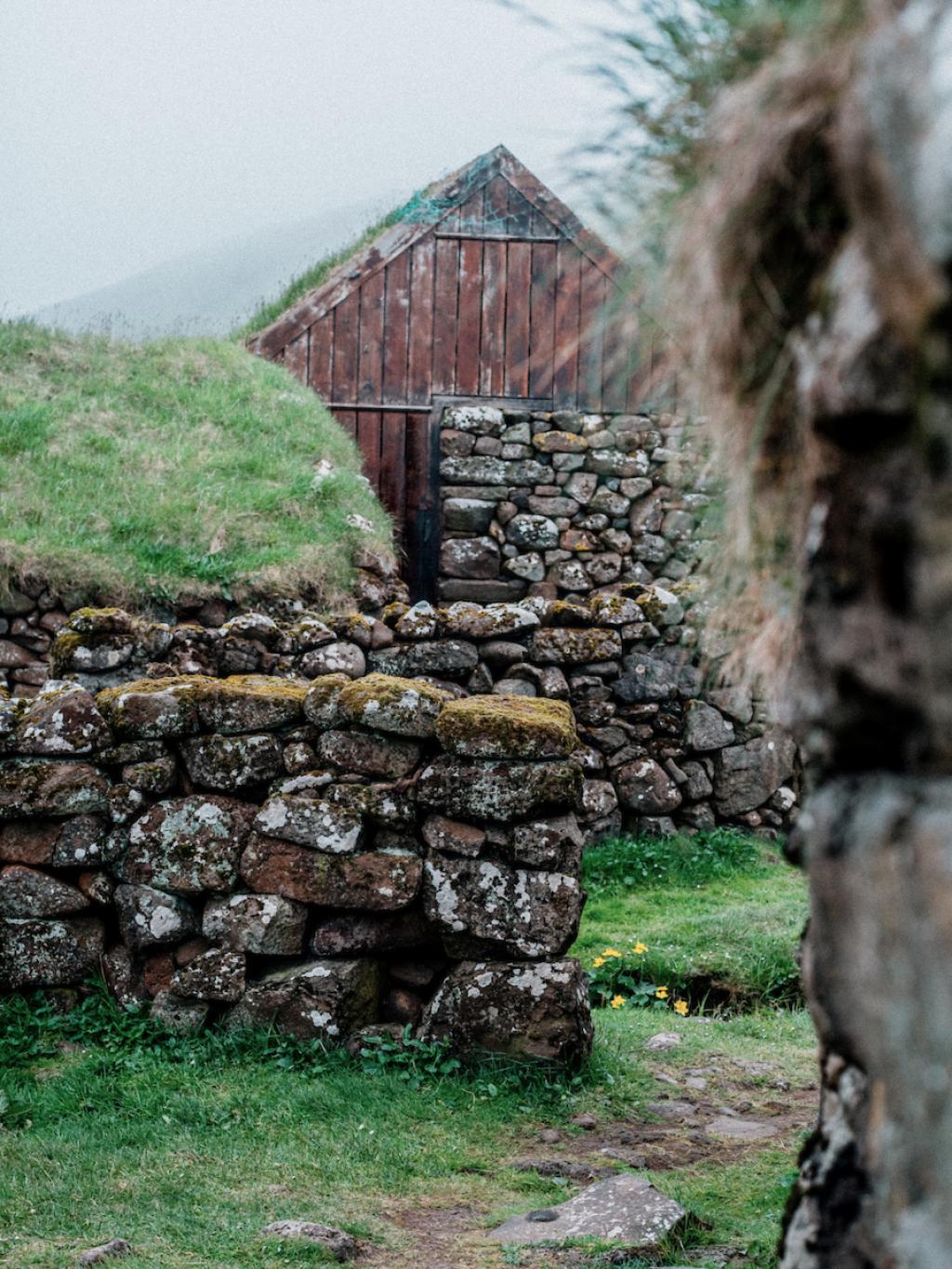
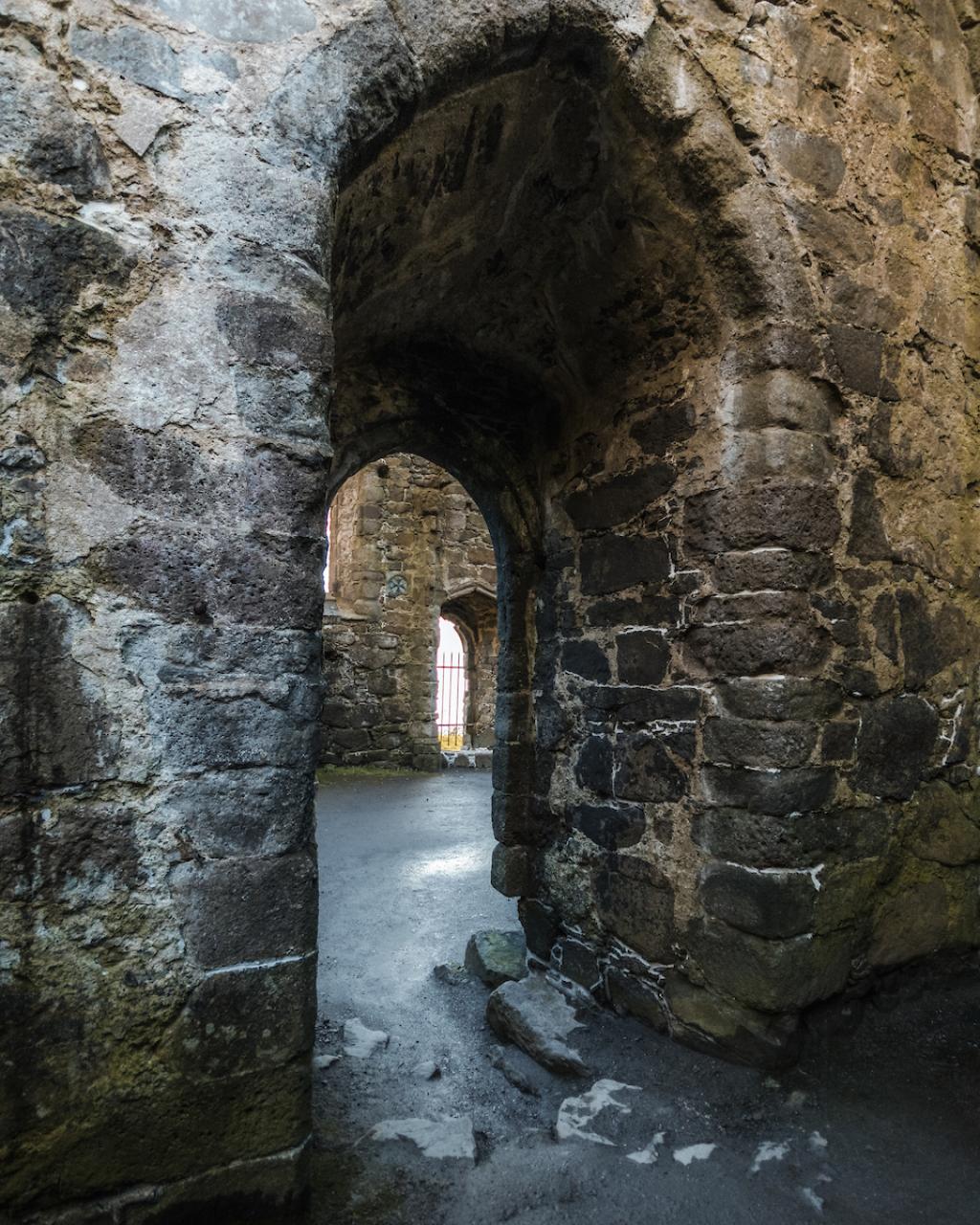
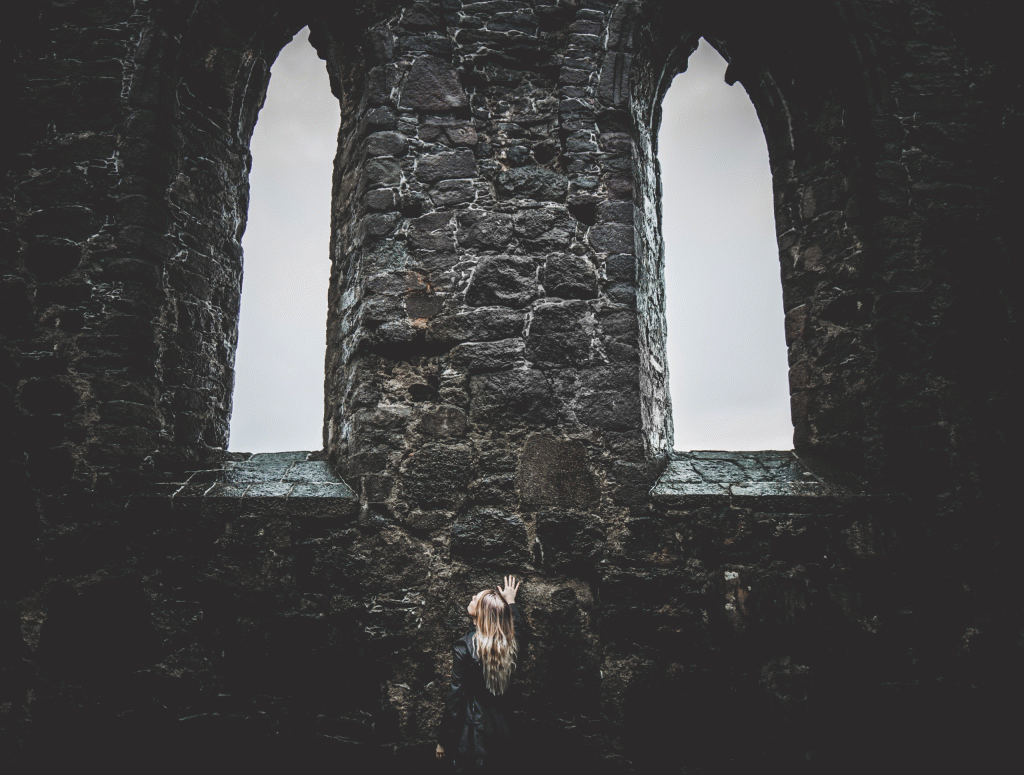
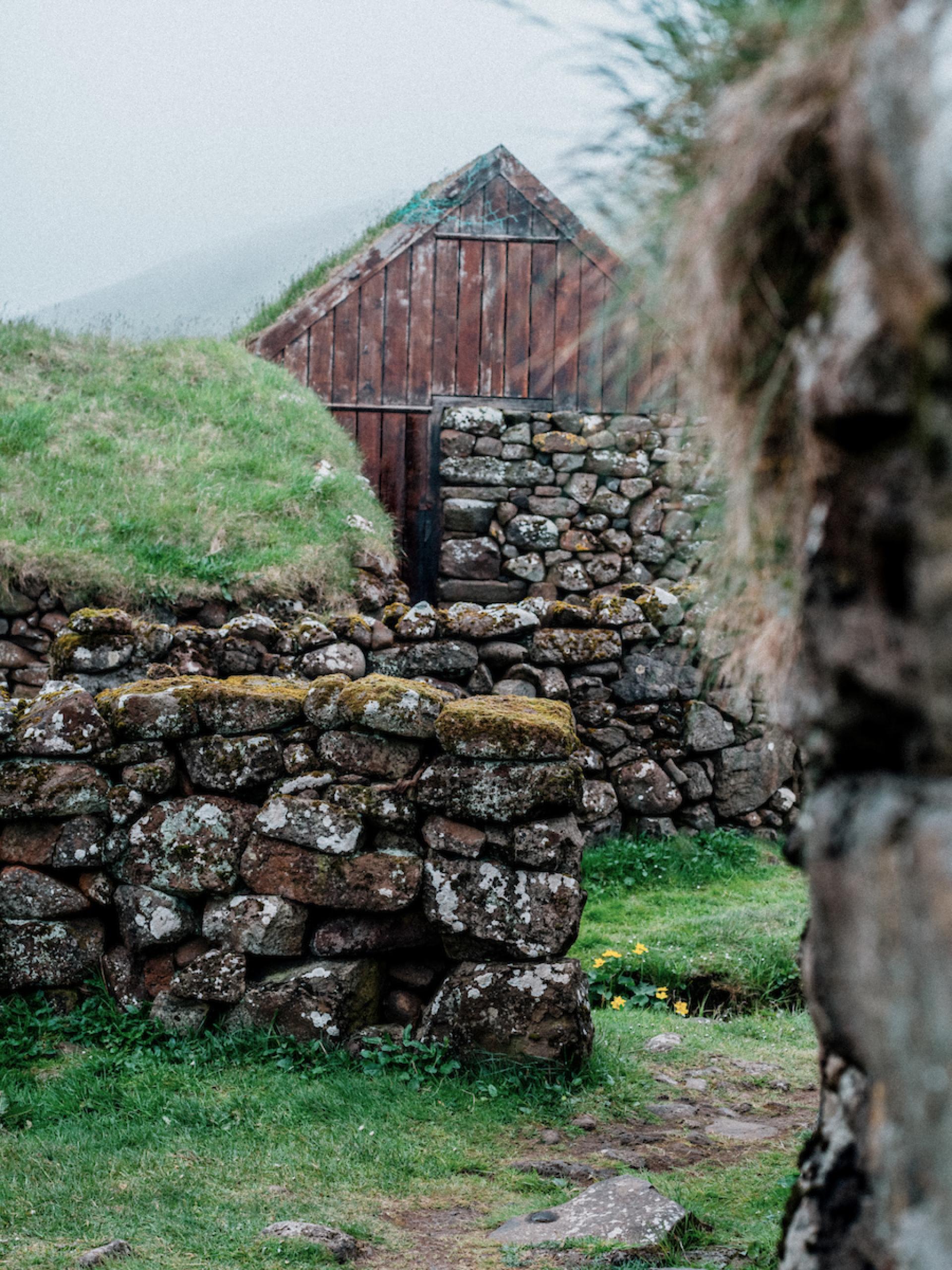
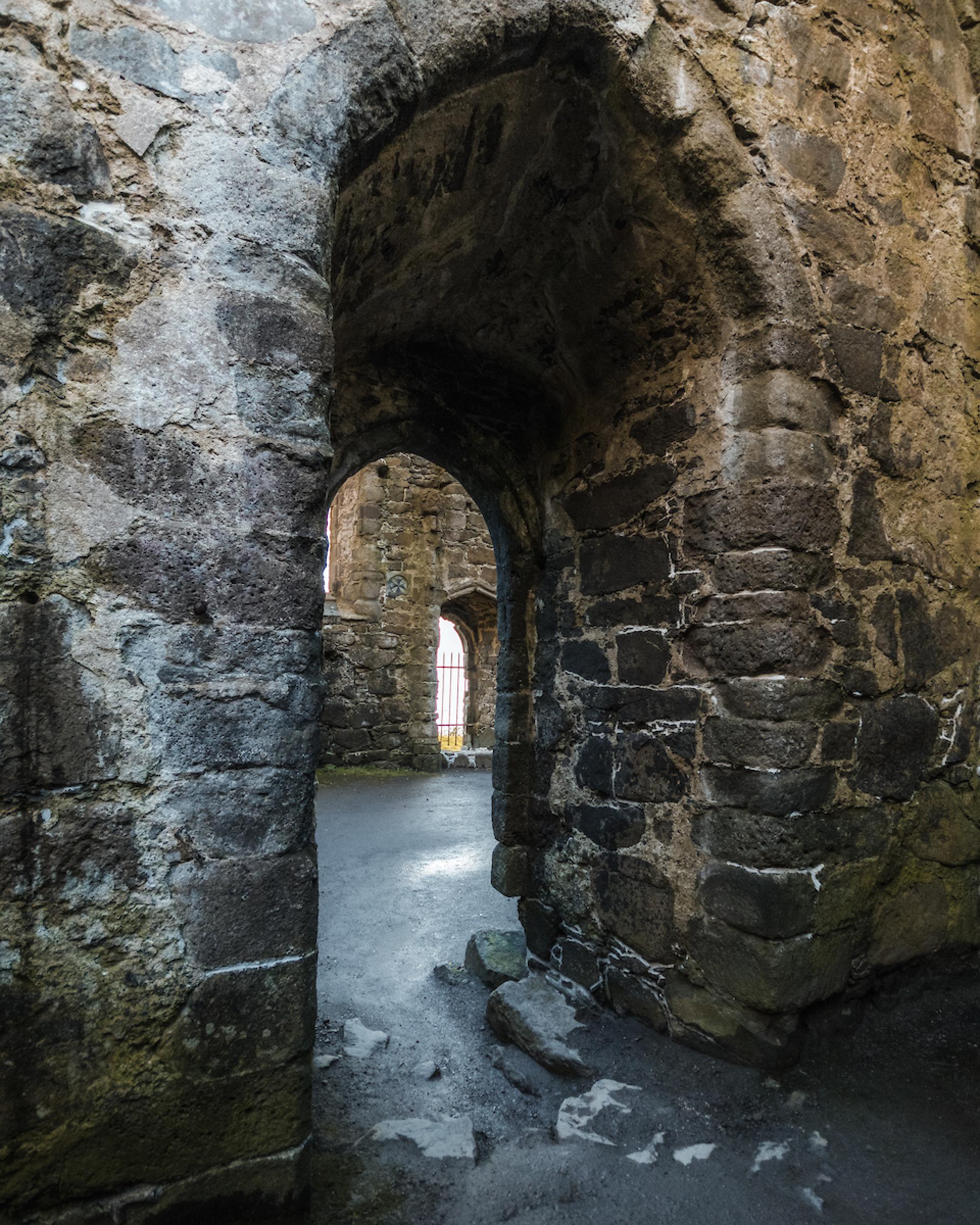
Kirkjubøur is where history meets everyday life in the most Faroese way possible. You’ve got a thousand-year-old church ruin, the country’s oldest inhabited house, and sheep casually strolling through it all like they own the place (which, to be fair, they probably do). It’s the kind of spot where you can admire medieval history while a local farmer drives by on a tractor, giving you a nod that somehow says both “welcome” and “don’t touch the sheep.”

HISTORICAL FACTS

It was in Kirkjubøur, around 1300, that a striking cathedral was built at the behest of the Faroese bishop, Erlendur, using stone and rock quarried from the hillsides hereabouts. 

It served as the main worship seat in the islands until the Reformation in 1538 and still stands in large part today. 

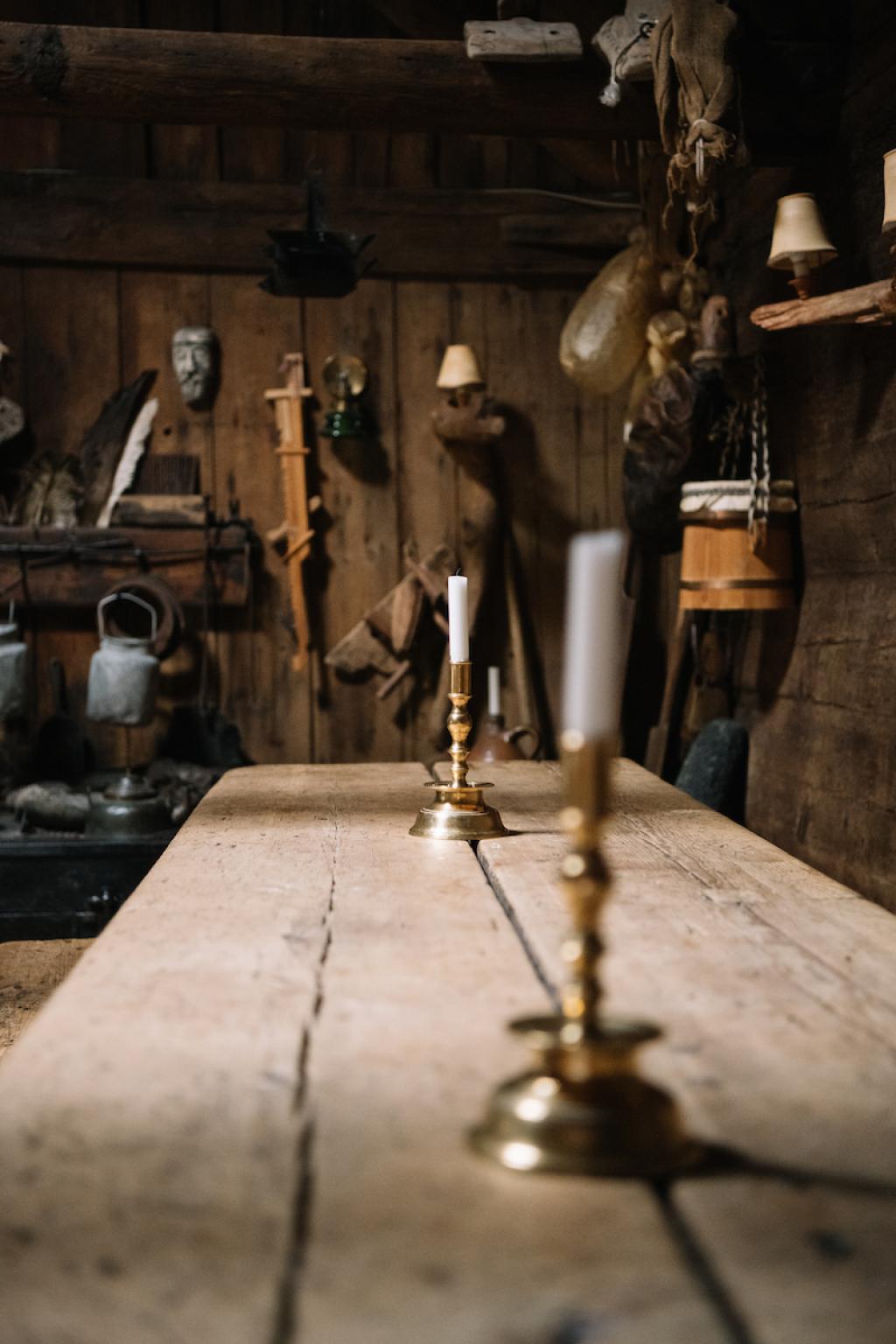
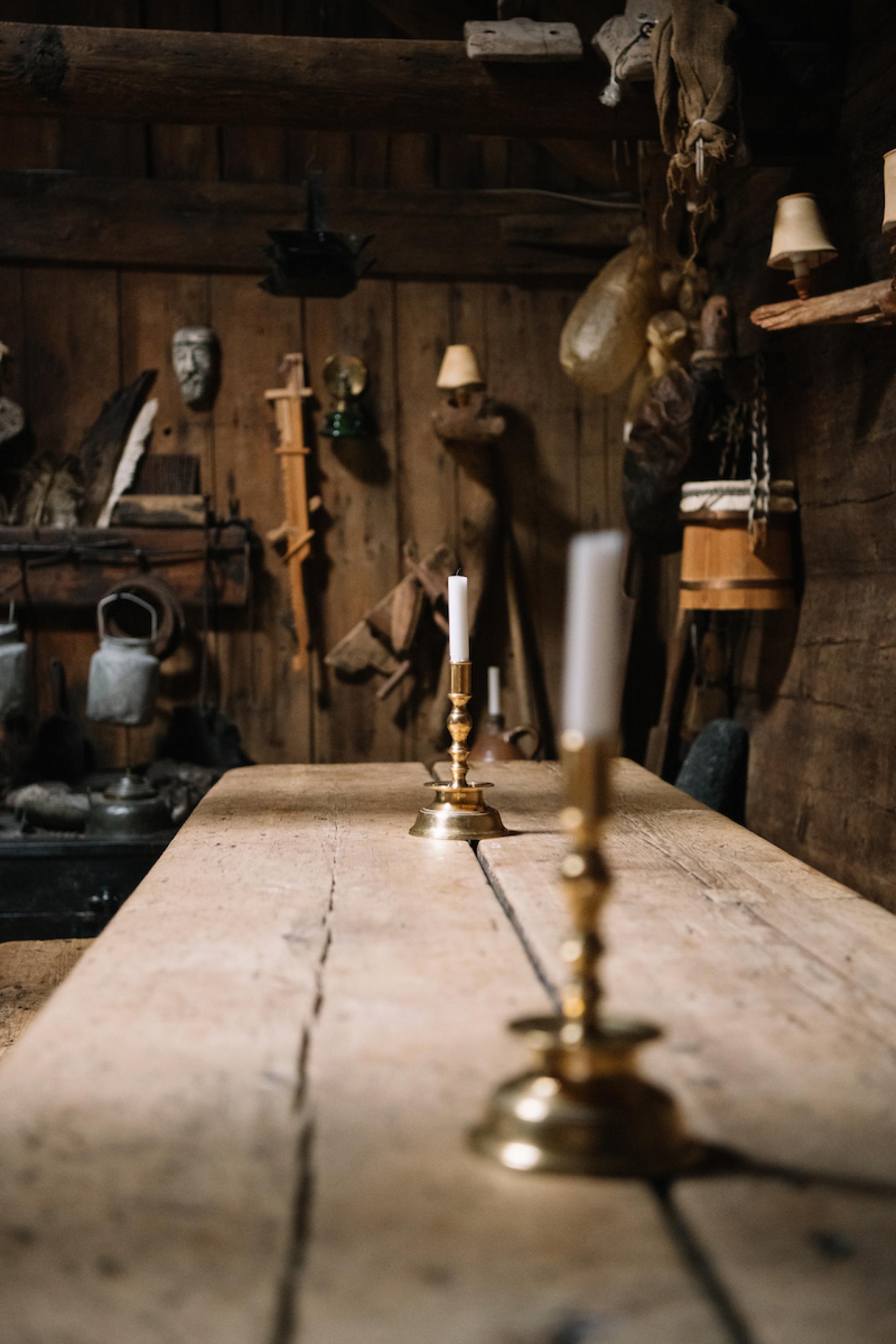
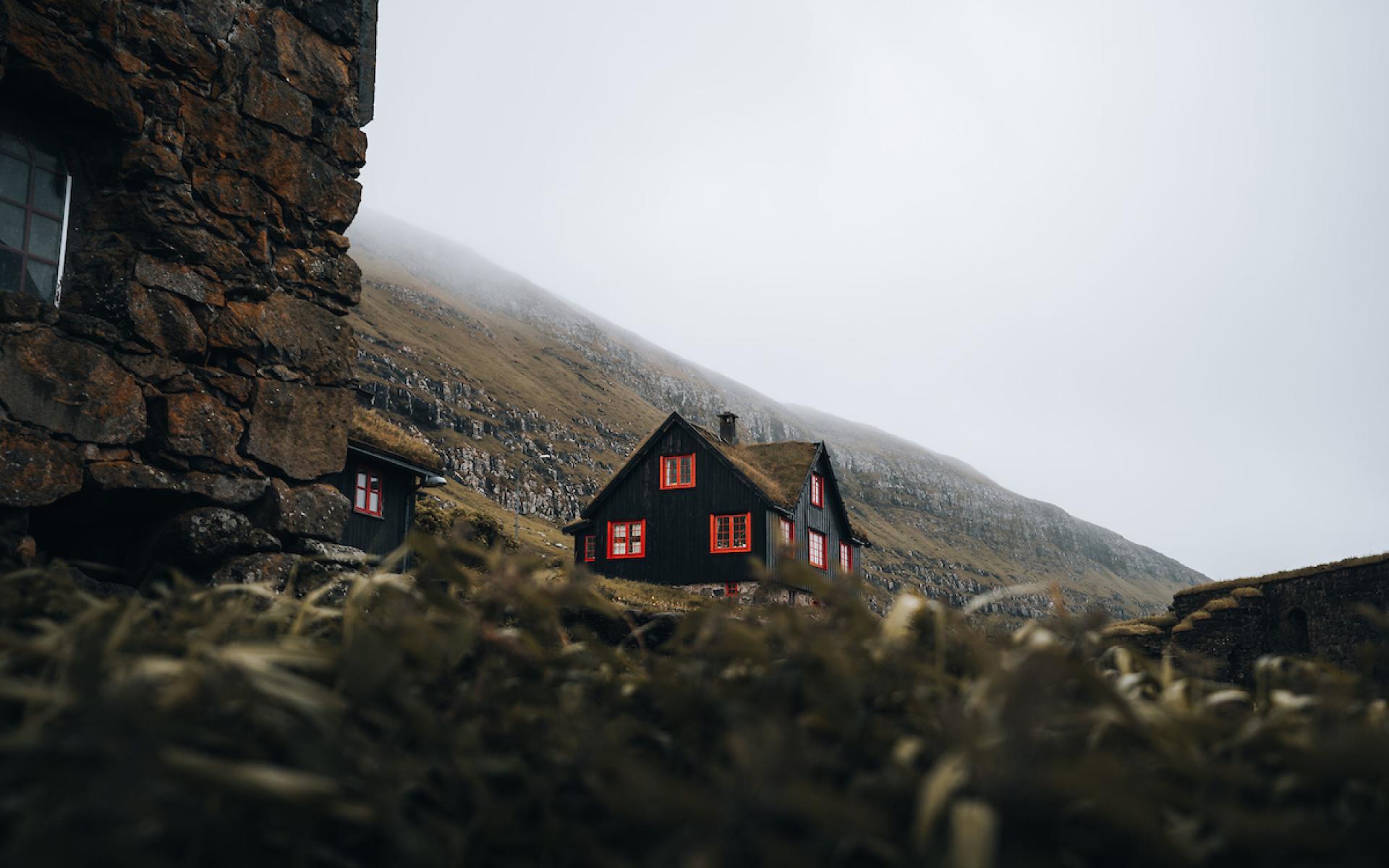
The neighbouring farmhouse, Roykstovan, a former bishop‘s residence, is the oldest inhabited wooden structure in Europe. 

See our village path routes in Nólsoy and Kirkjubø

Go for a pleasant and long walk between the narrow island of Nólsoy to the lighthouse dating back to 1893. Also hike along the village path from Tórshavn to Kirkjubøur, characterised by the historic site of Reynsmúlalág and views over the islands of Hestur and Koltur.

Map

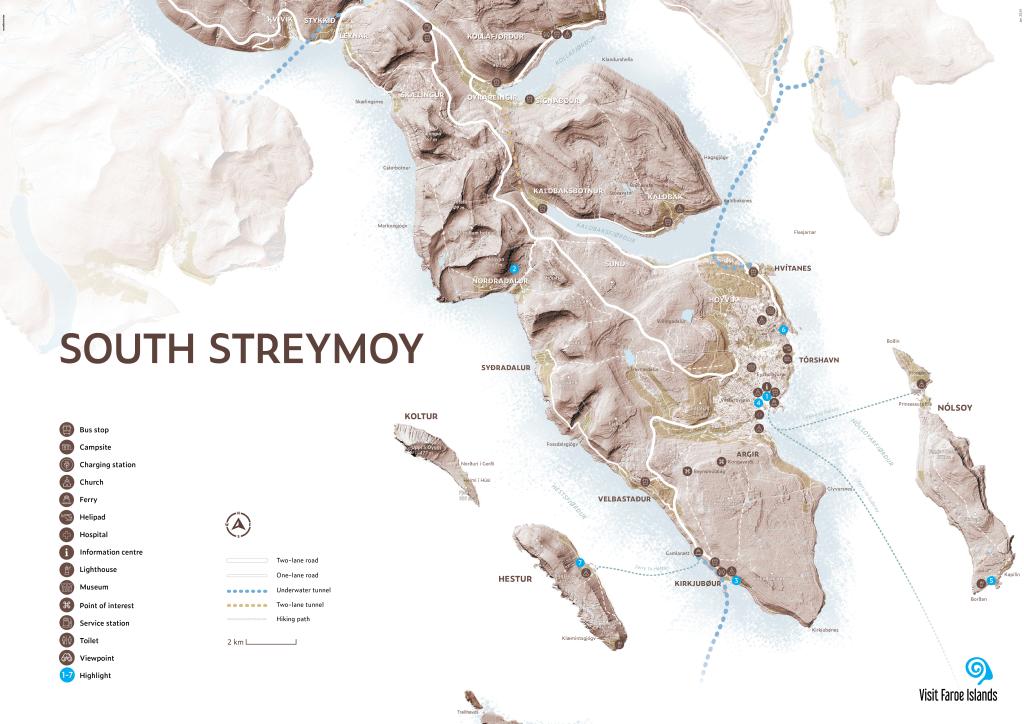
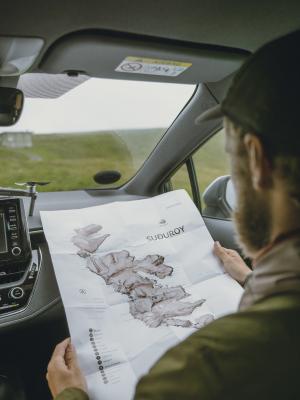
The South Streymoy Map
- yours to unfold
download