Regional guide 

NORTH STREYMOY

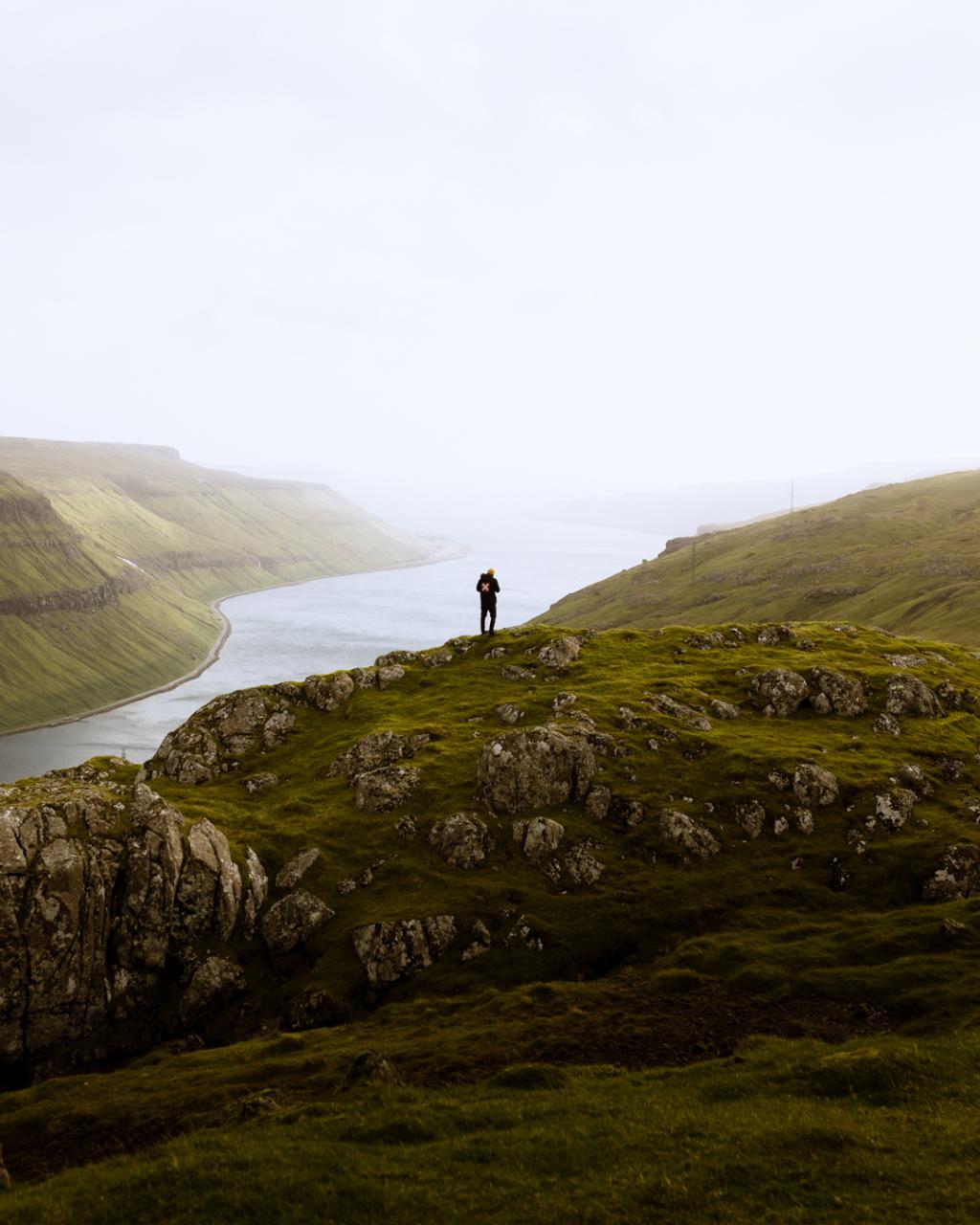
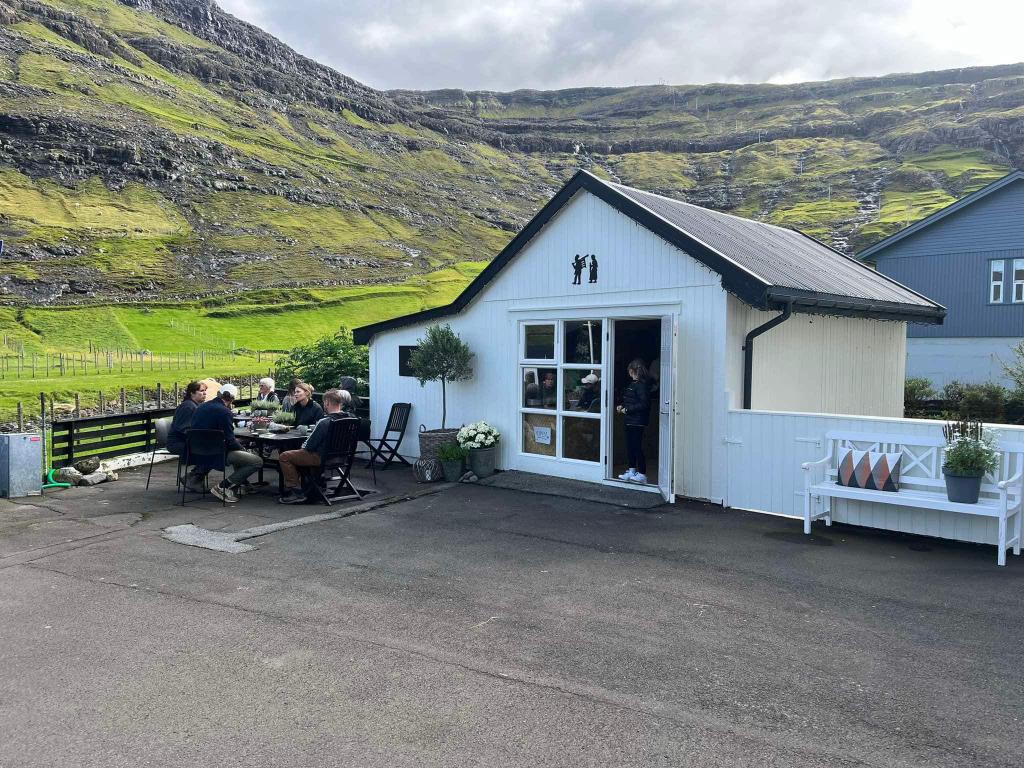
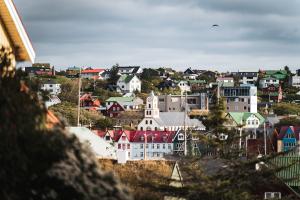
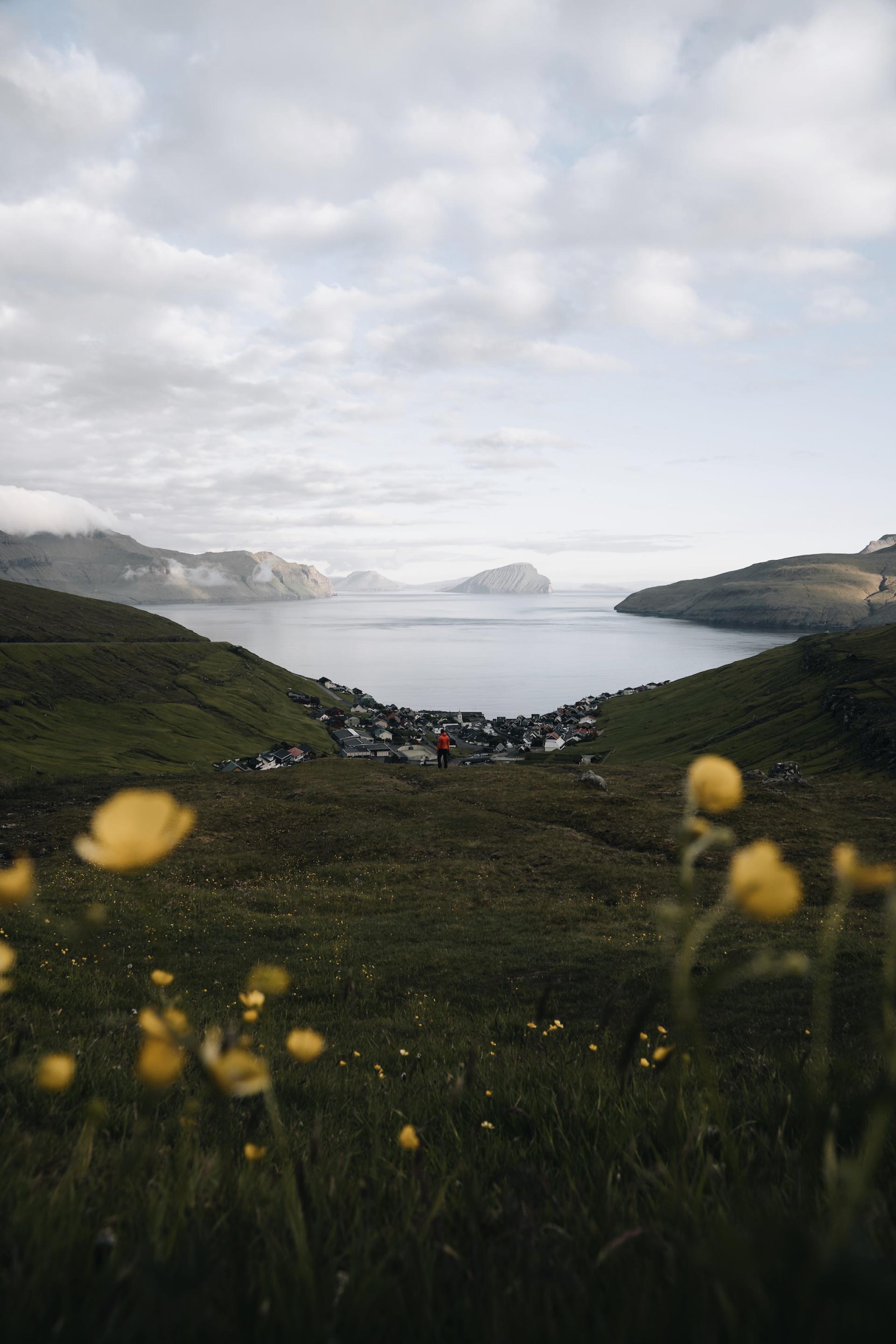
Home to the capital, Tórshavn, Streymoy is the largest and longest of the 18 Faroe Islands, stretching about 50 km from top to bottom. If you arrive by air, your first encounter with Streymoy will be dramatic as you emerge from the subsea tunnel linking Vágar to Streymoy island. You’ll pop up near Vestmanna, a cosy little town that also happens to be an excellent base for exploring north Streymoy—assuming you don’t get too comfortable and forget to leave.

Vestmanna, Leynar & Kvívík

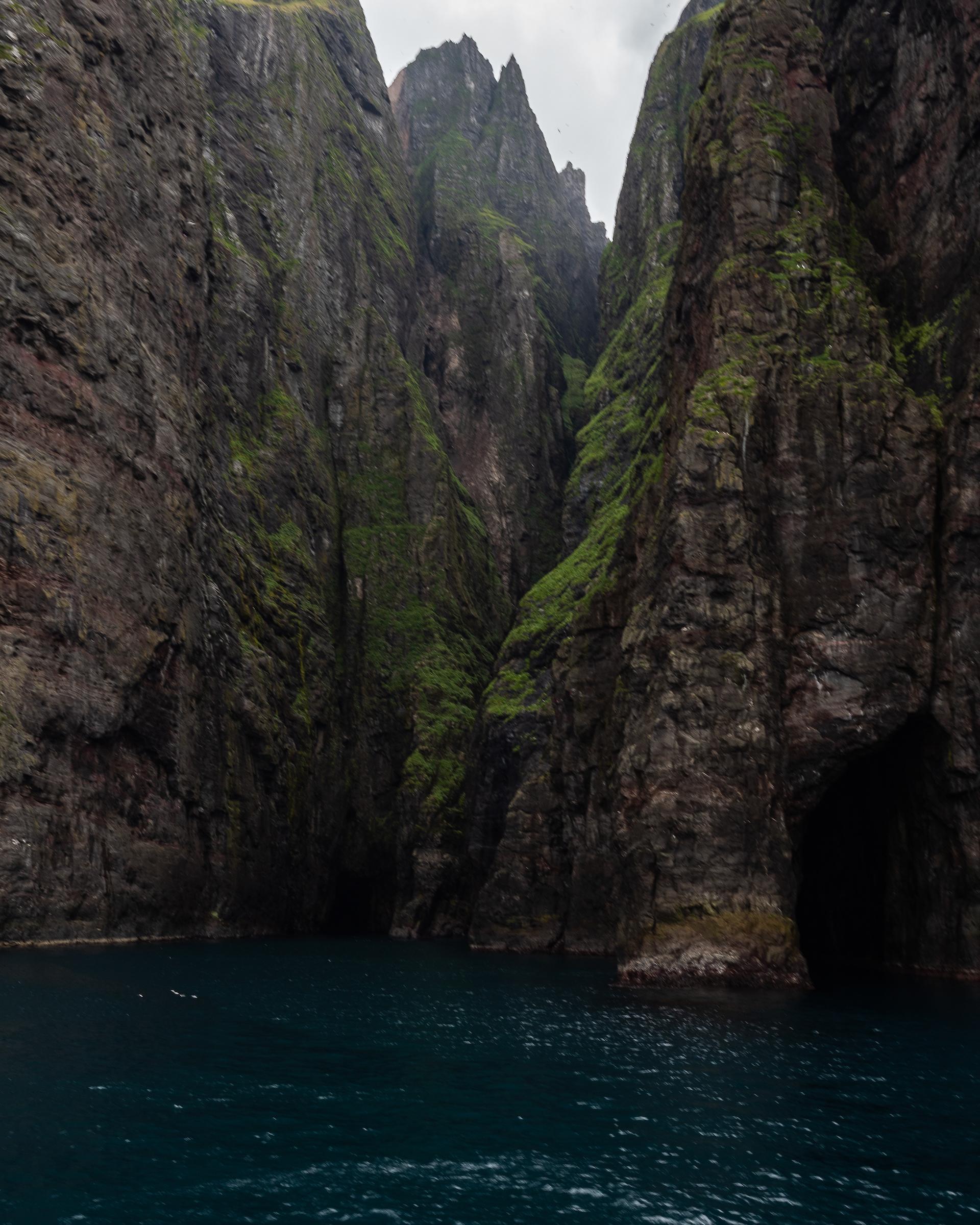
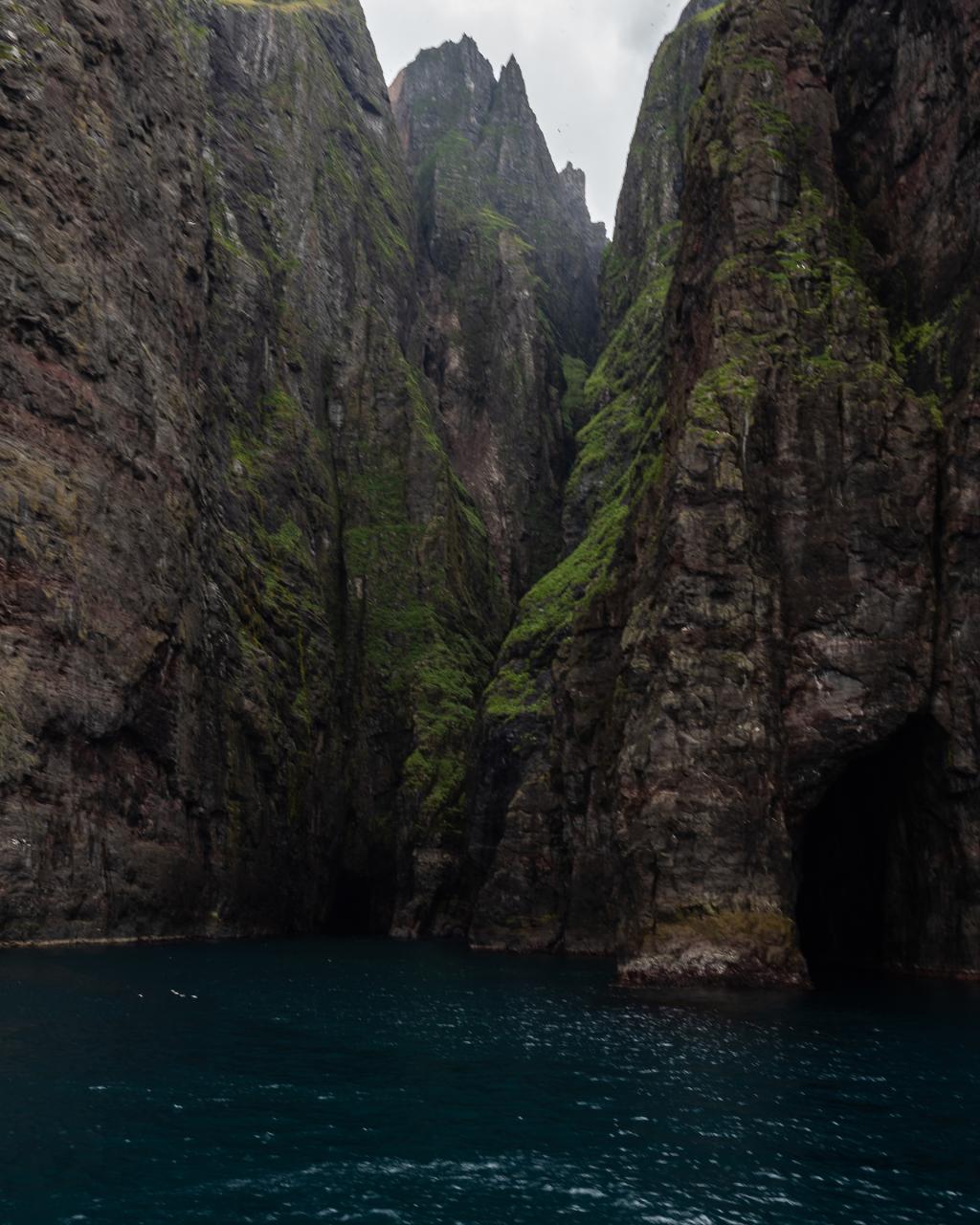
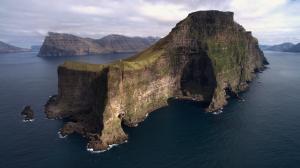
Home to a busy harbour, Vestmanna is known for its ready access to a series of bird cliffs and grottoes just to the north of the town itself, where you can get up close to the seabirds who nest on the cliffs – the boat trips out here provide the perfect opportunity to see the birds in their natural habitat, perched on the cliffs which reach up to 600 above sea level. 

Subsea Vodka? 

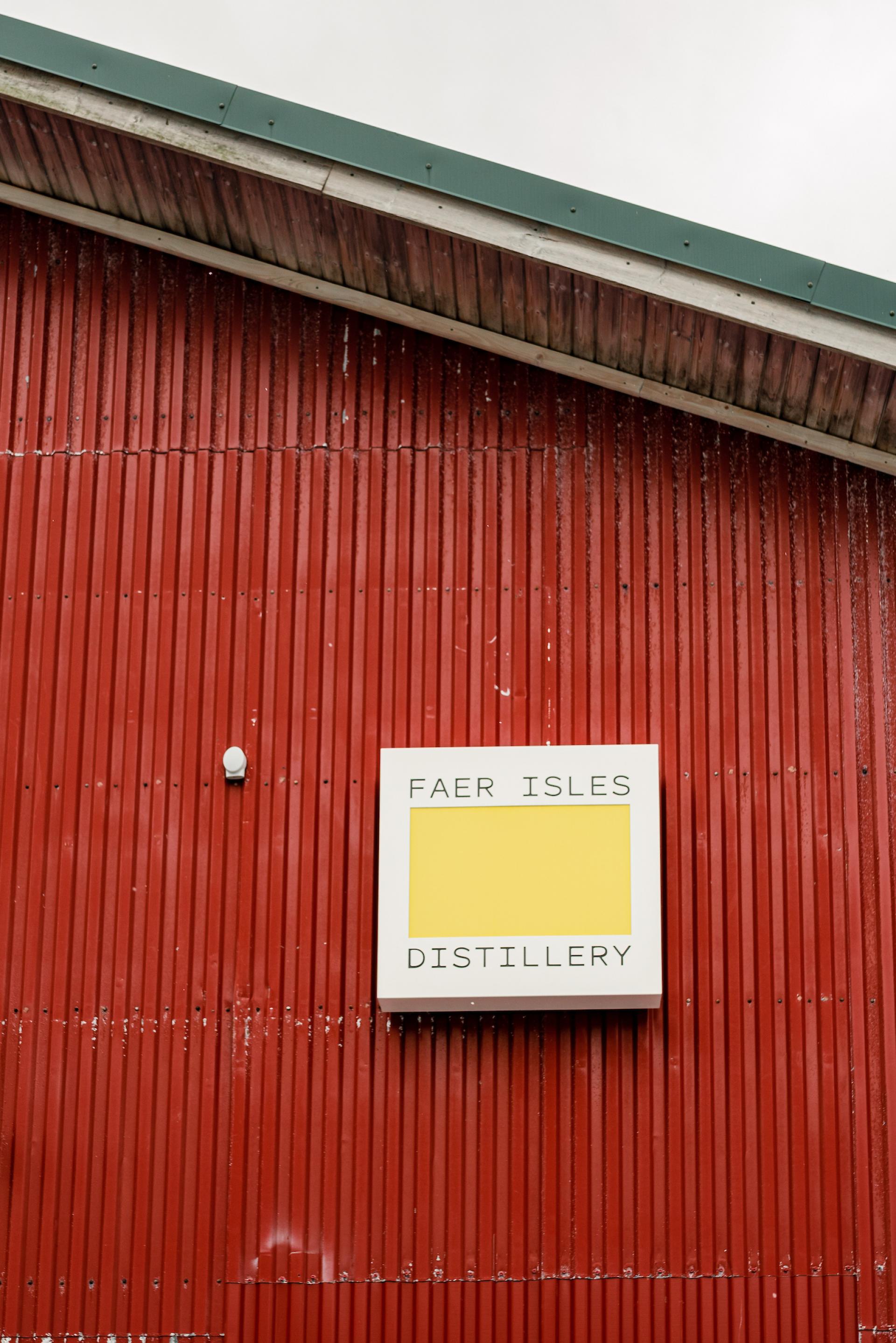
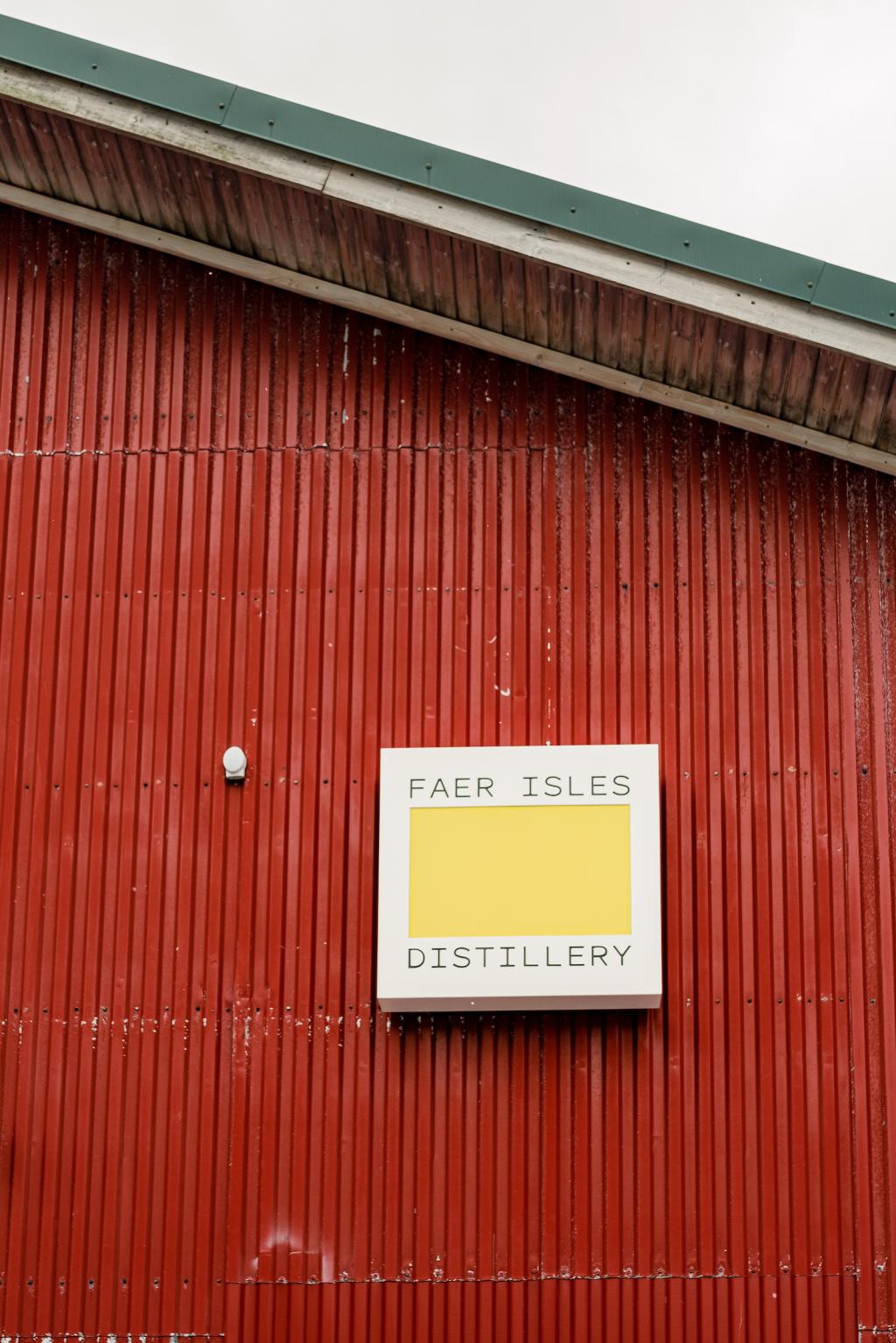
Perfectly timed at the end of a boat trip awaits a tasting tour at one of our finest distilleries (internationally awarded), Faer Isles Distillery - we recommend you try one of their signature vodkas made with water from a subsea tunnel.

Tjørnuvík & Fossá

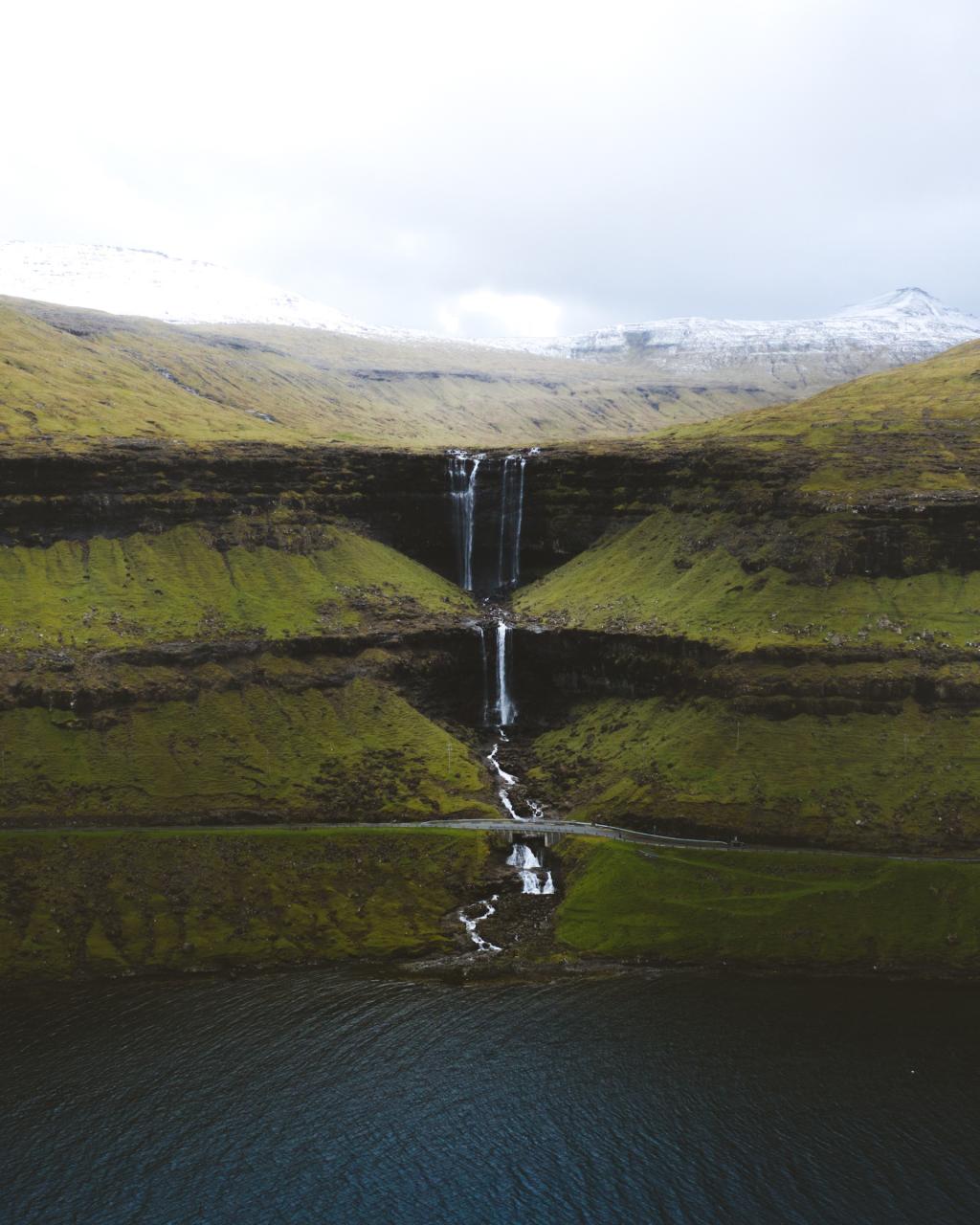
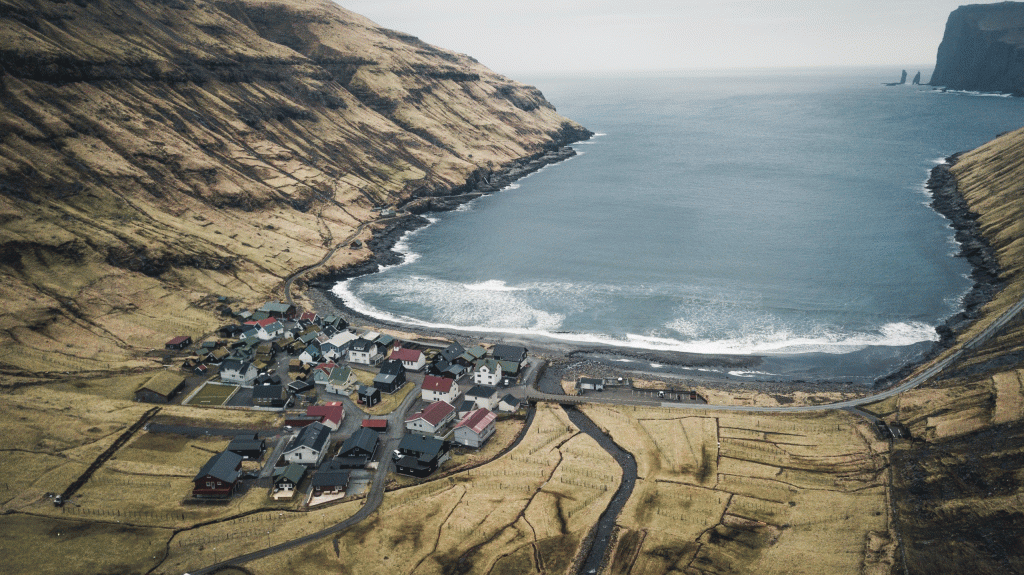
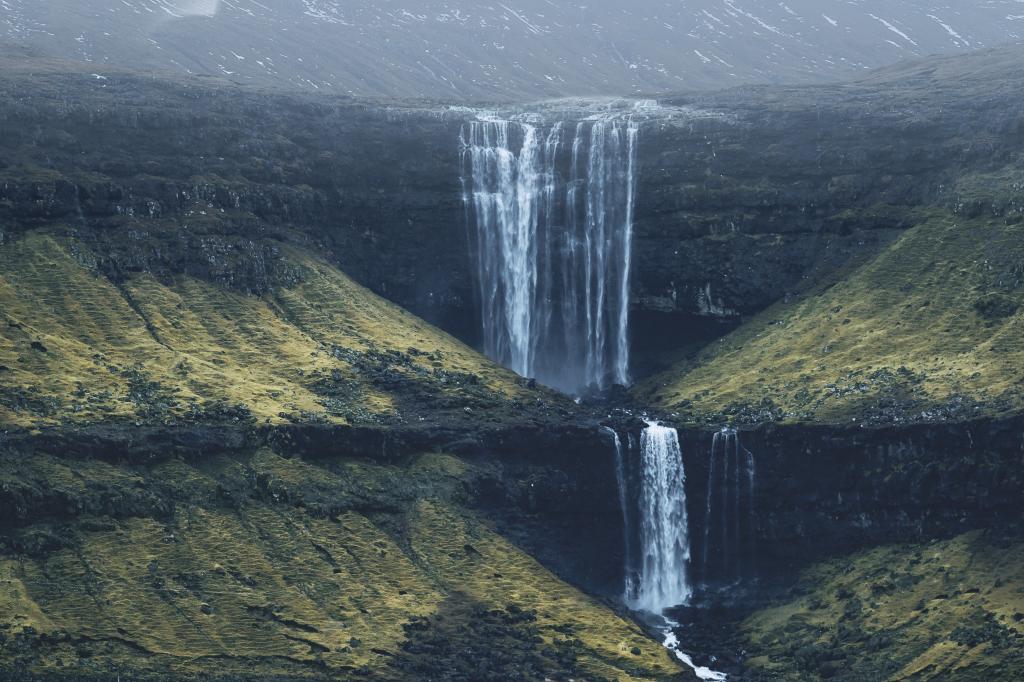
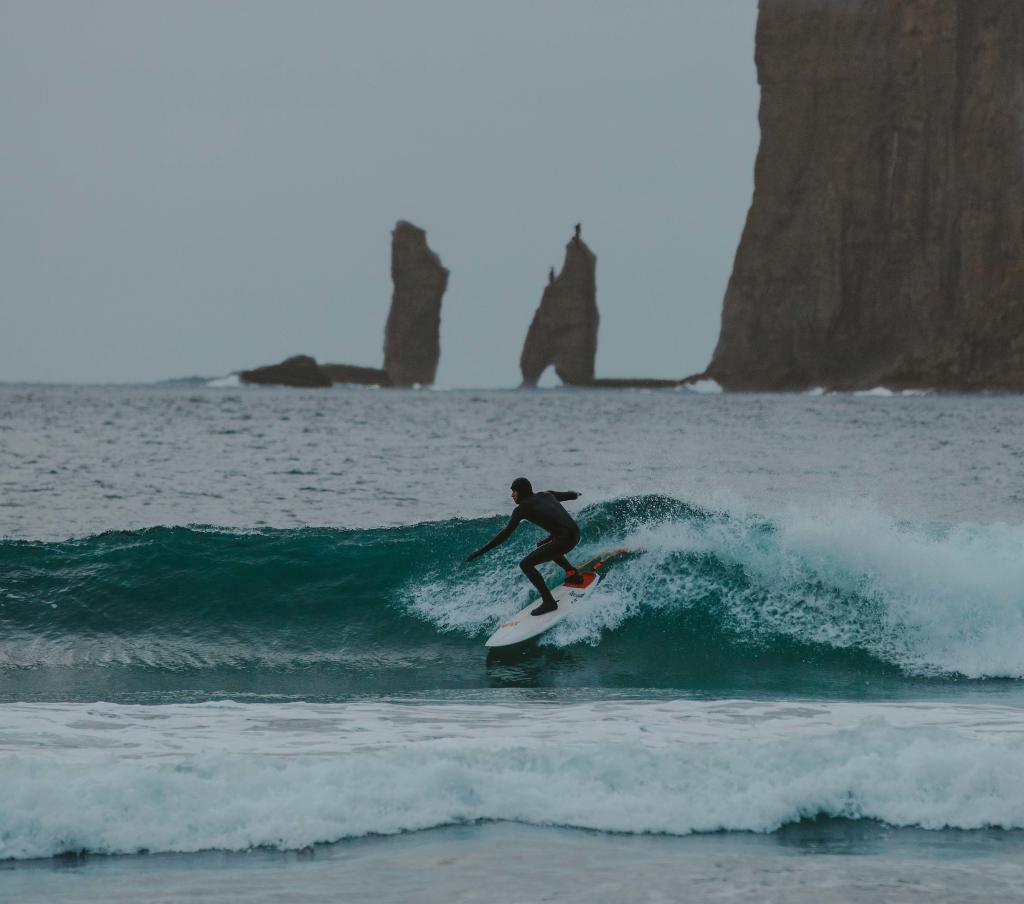
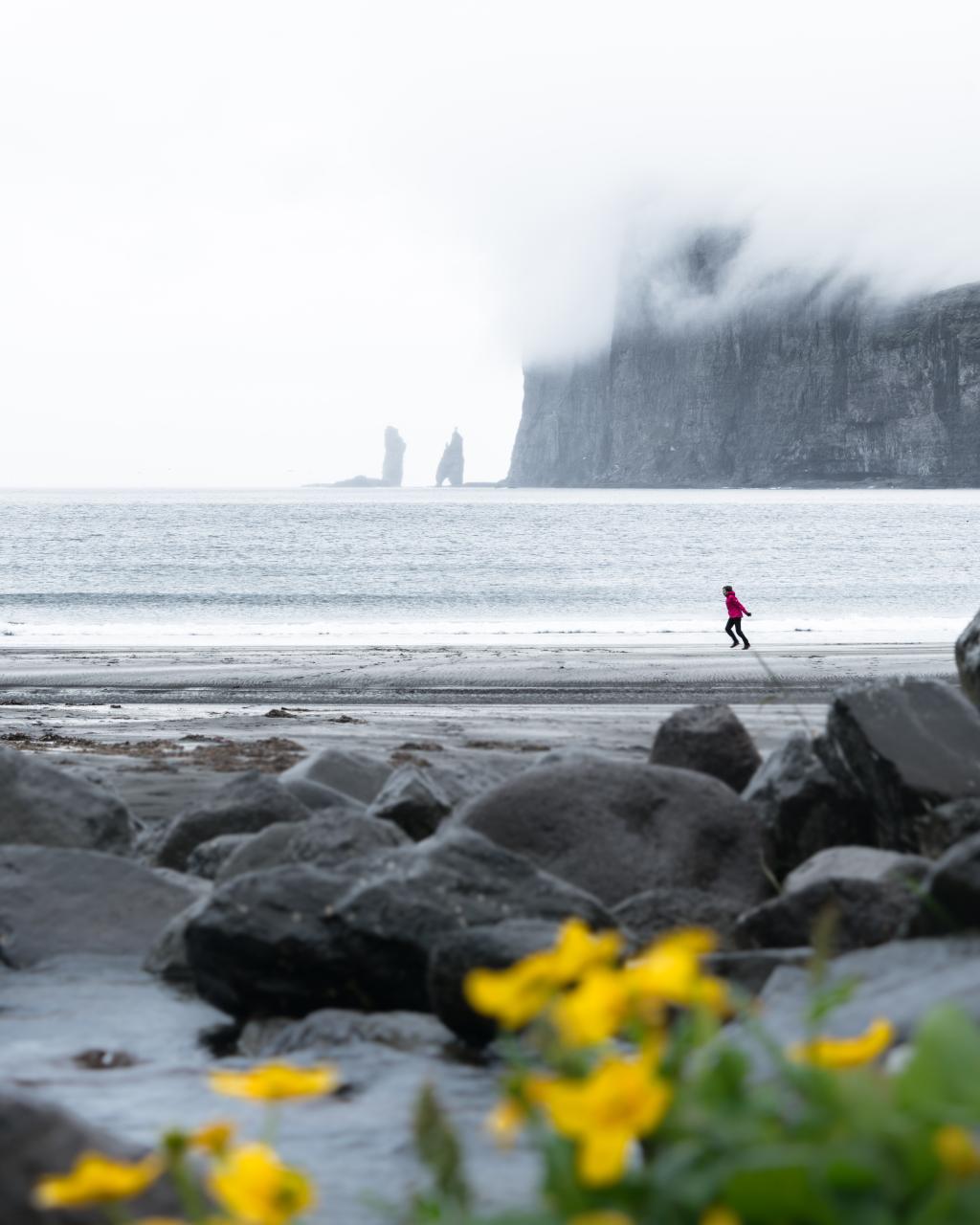
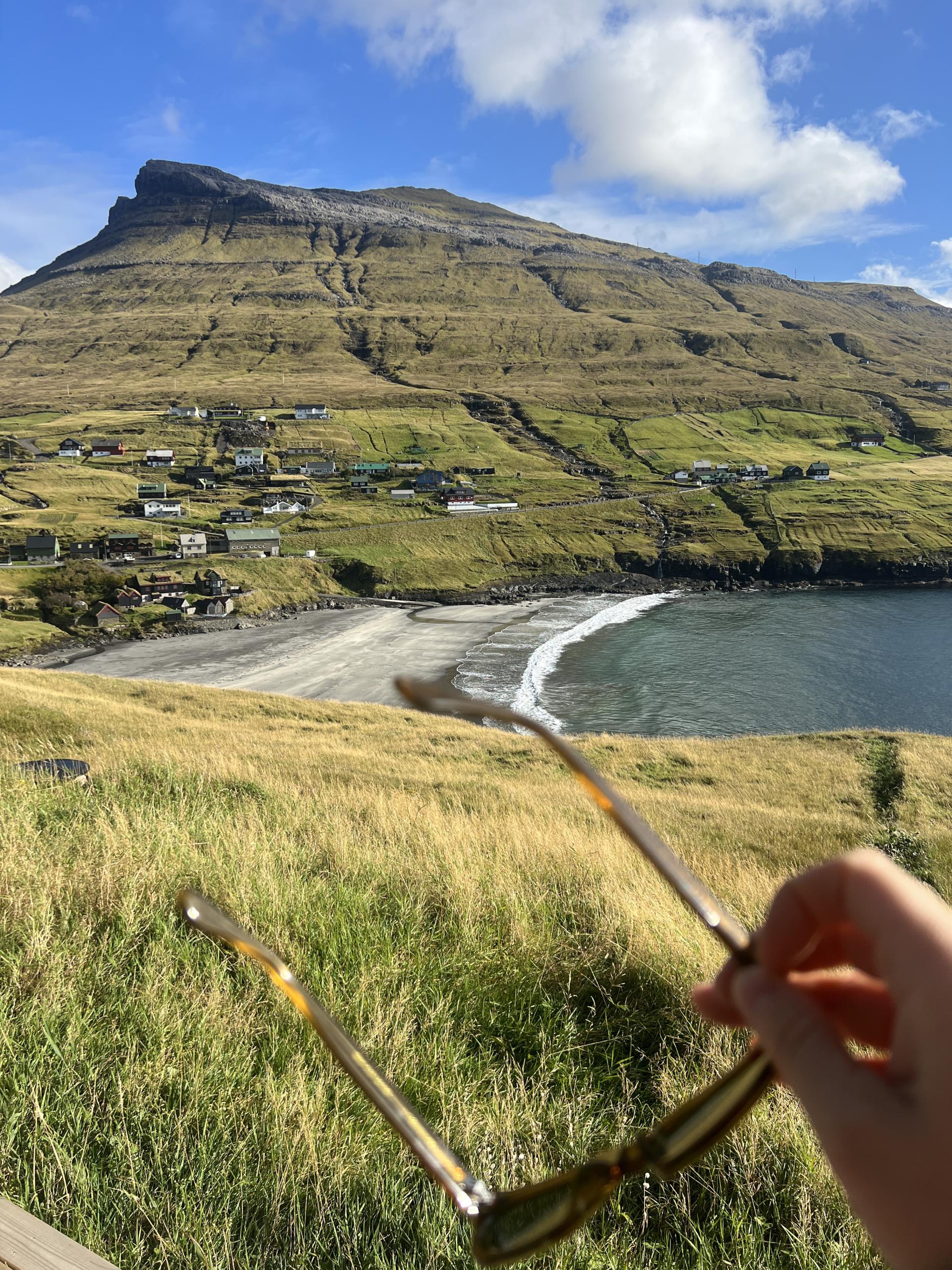
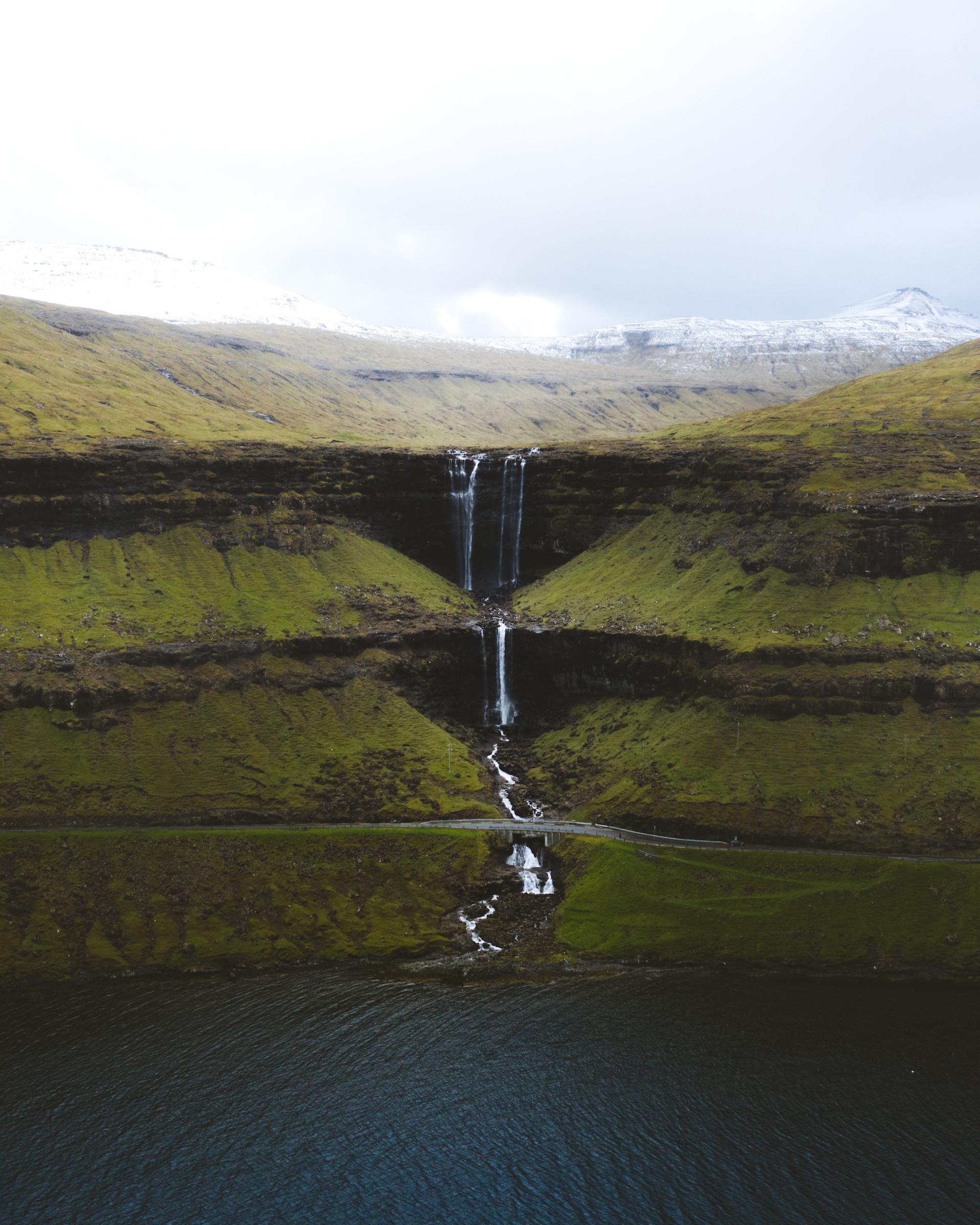
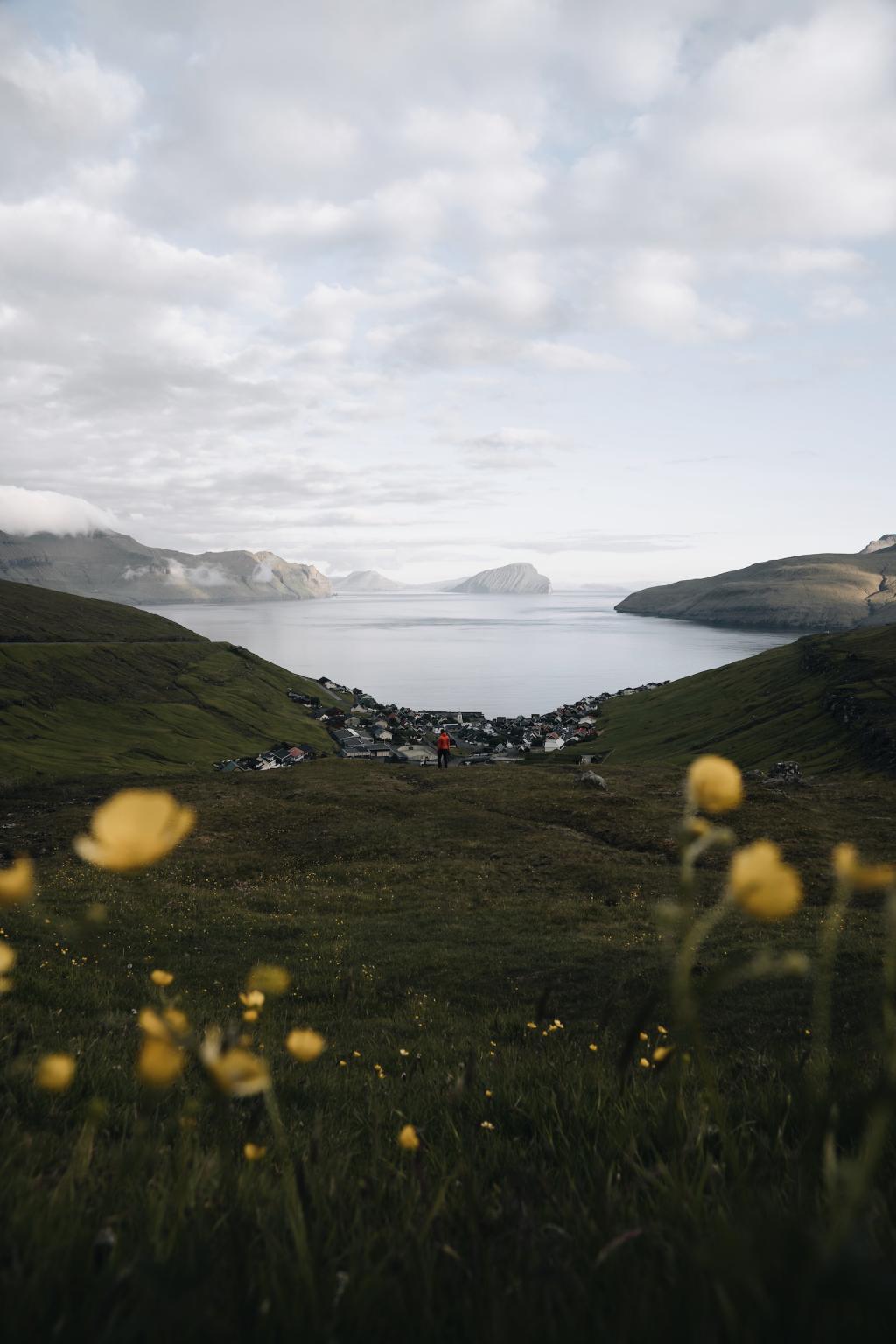
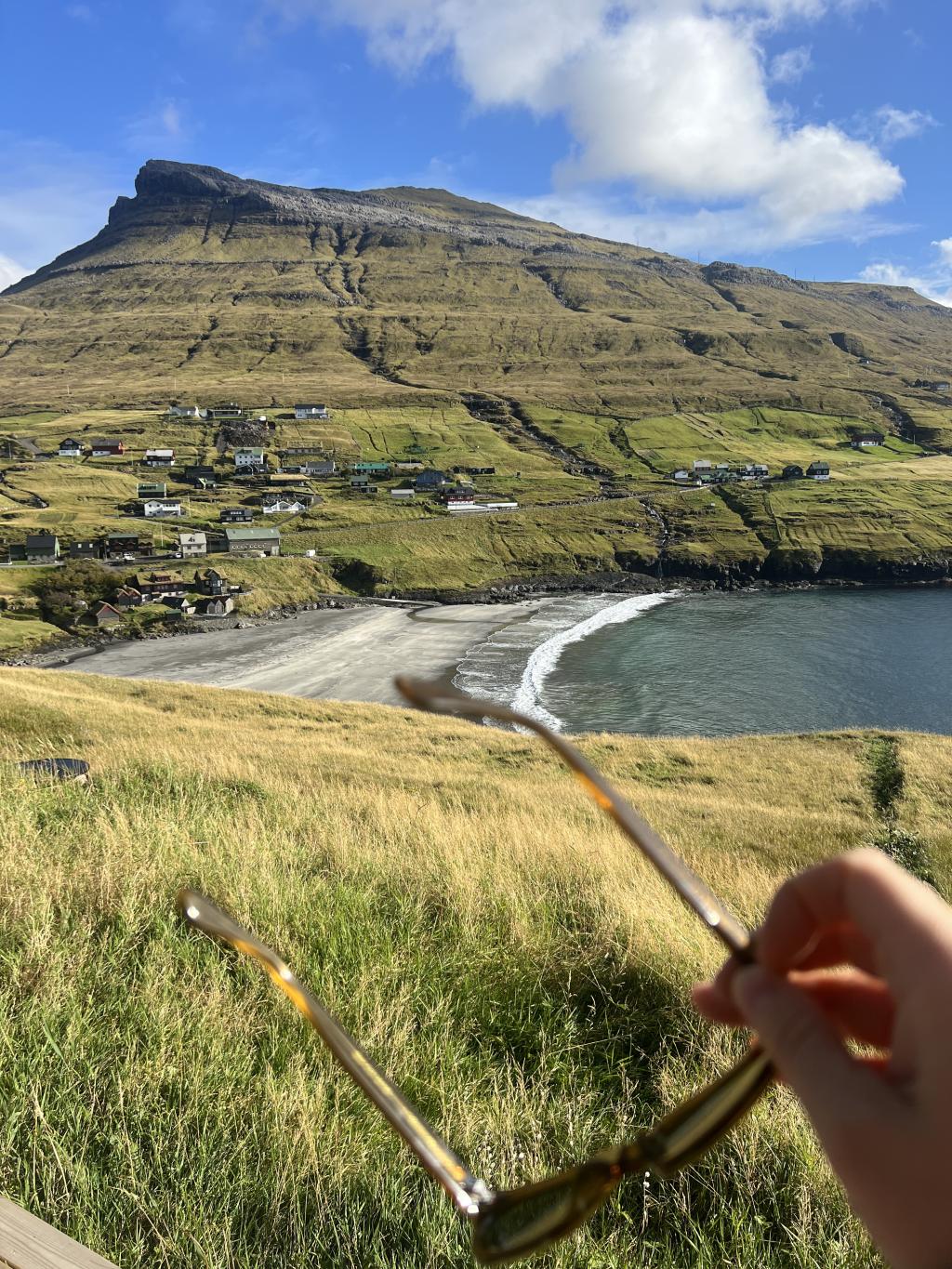
From Vestmanna, two more of northern Streymoy’s attractions lie close at hand. The end-of-the-road village of Tjørnuvík is a firm favourite with visitors – and surfers – alike. Surrounded on three sides by towering mountain walls and opening onto the sea on the fourth, Tjørnuvík is a geologist‘s dream – it sits at the foot of a perfectly formed circular glacial valley formed during the last Ice Age. Before arriving at the iconic valley, you pass the highest waterfall in the Faroes, Fossá. A natural wonder by itself, standing next to its force, is simply striking.

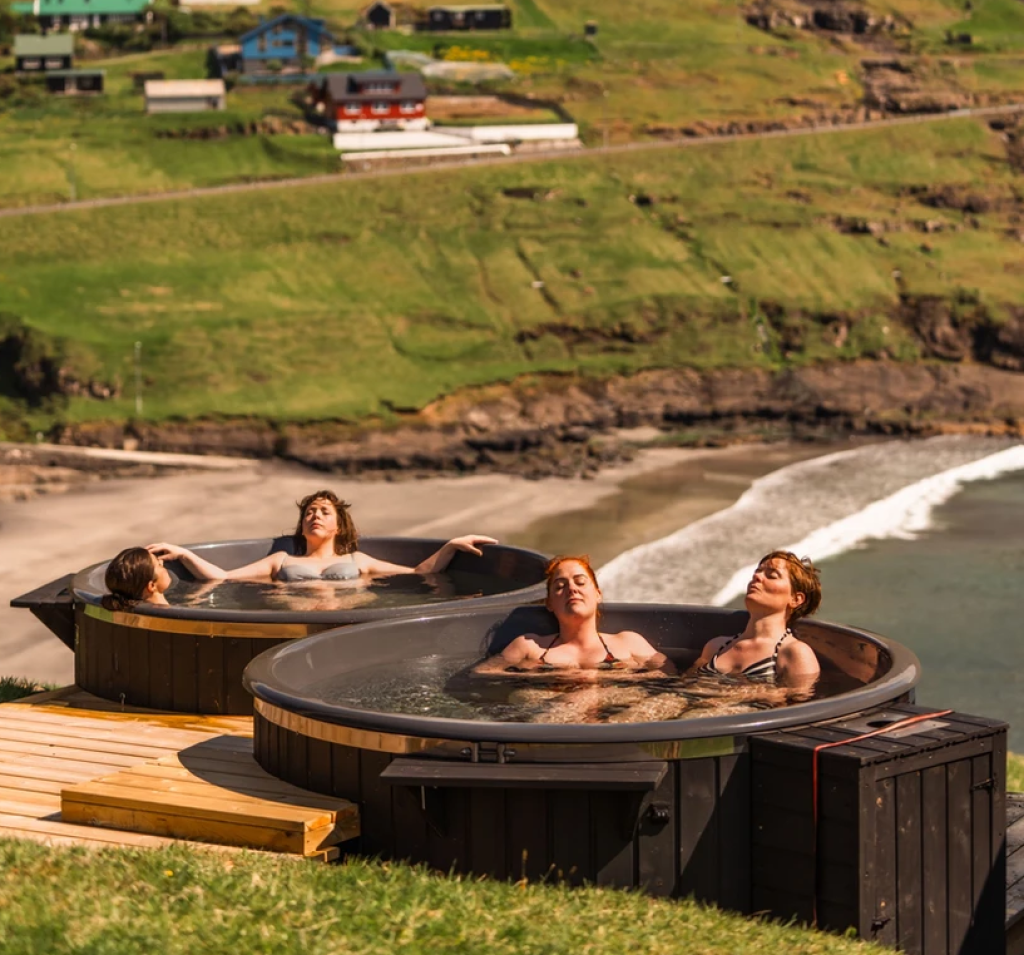
The location is certainly dramatic, and the hair-raising descent into the village down a steep single-track road (until a new tunnel opens) only enhances the feeling of total exposure to the powerful forces of nature. Thanks to its easy access to the sea, Tjørnuvík is fast becoming known as the centre of the Faroe Islands for ocean-related activities: surfing, bodyboarding, paddling, cliff jumping, and snorkelling are all possible here. 

Saksun

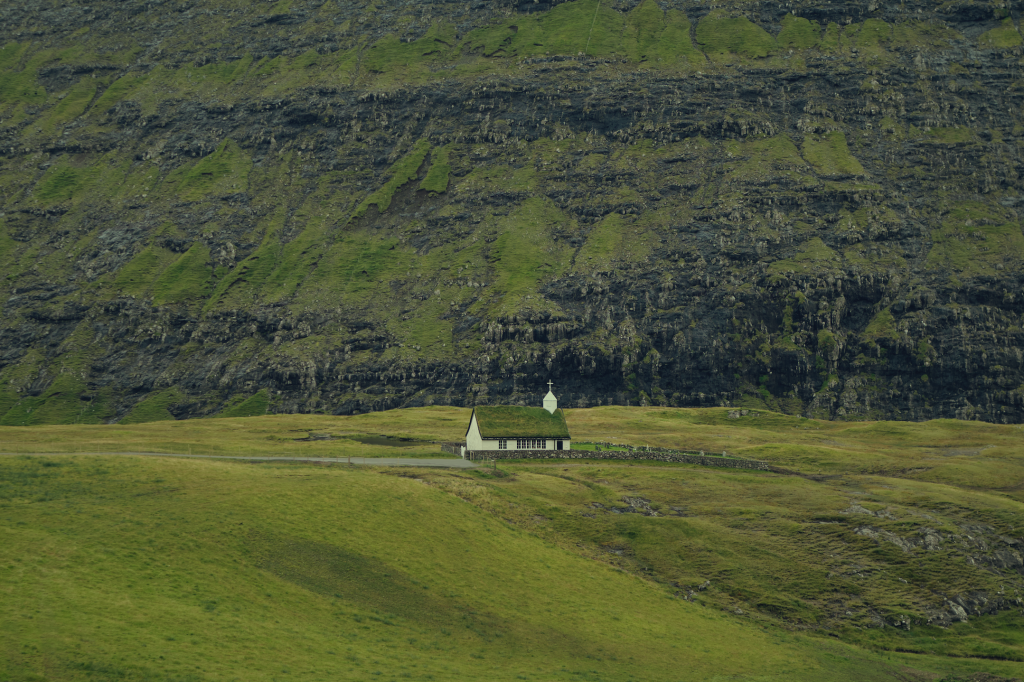
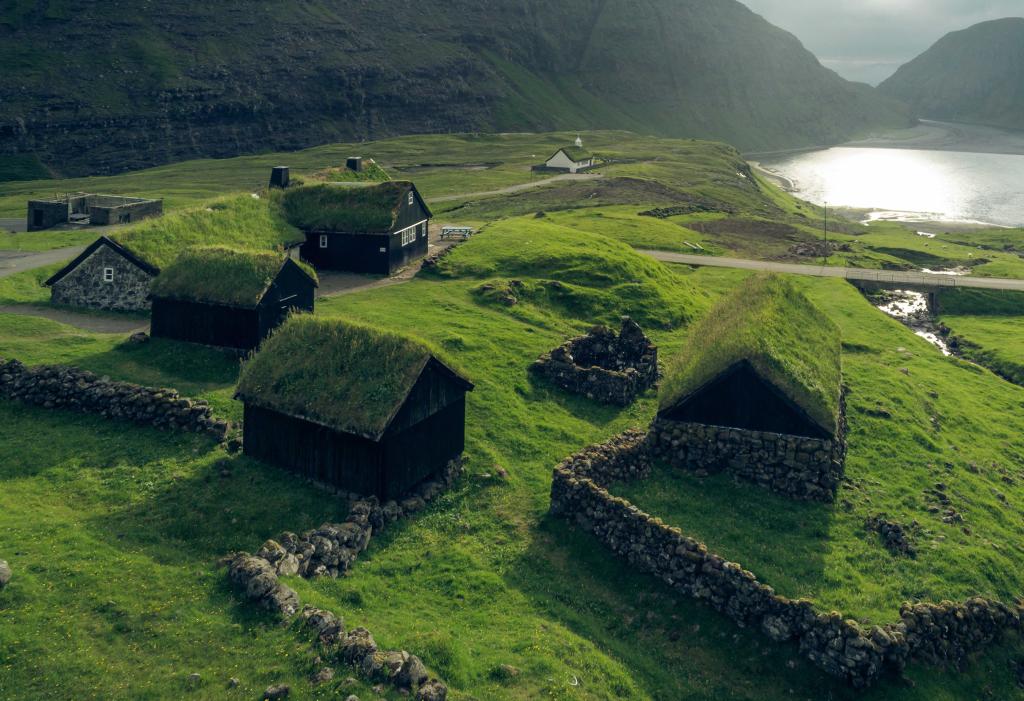
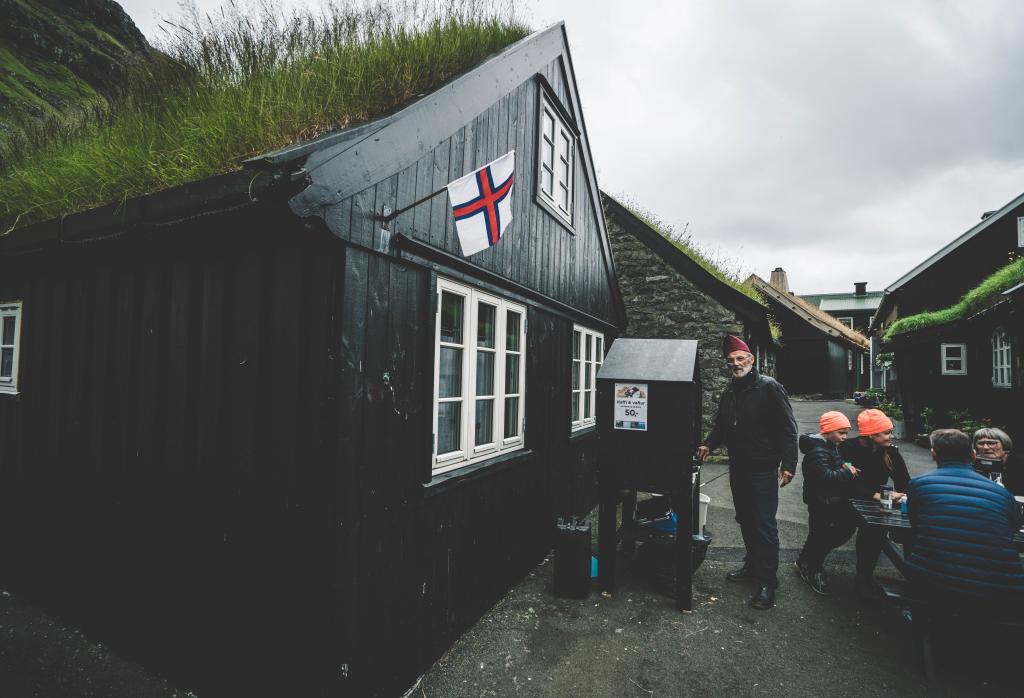
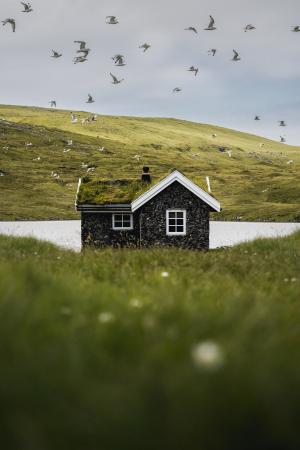
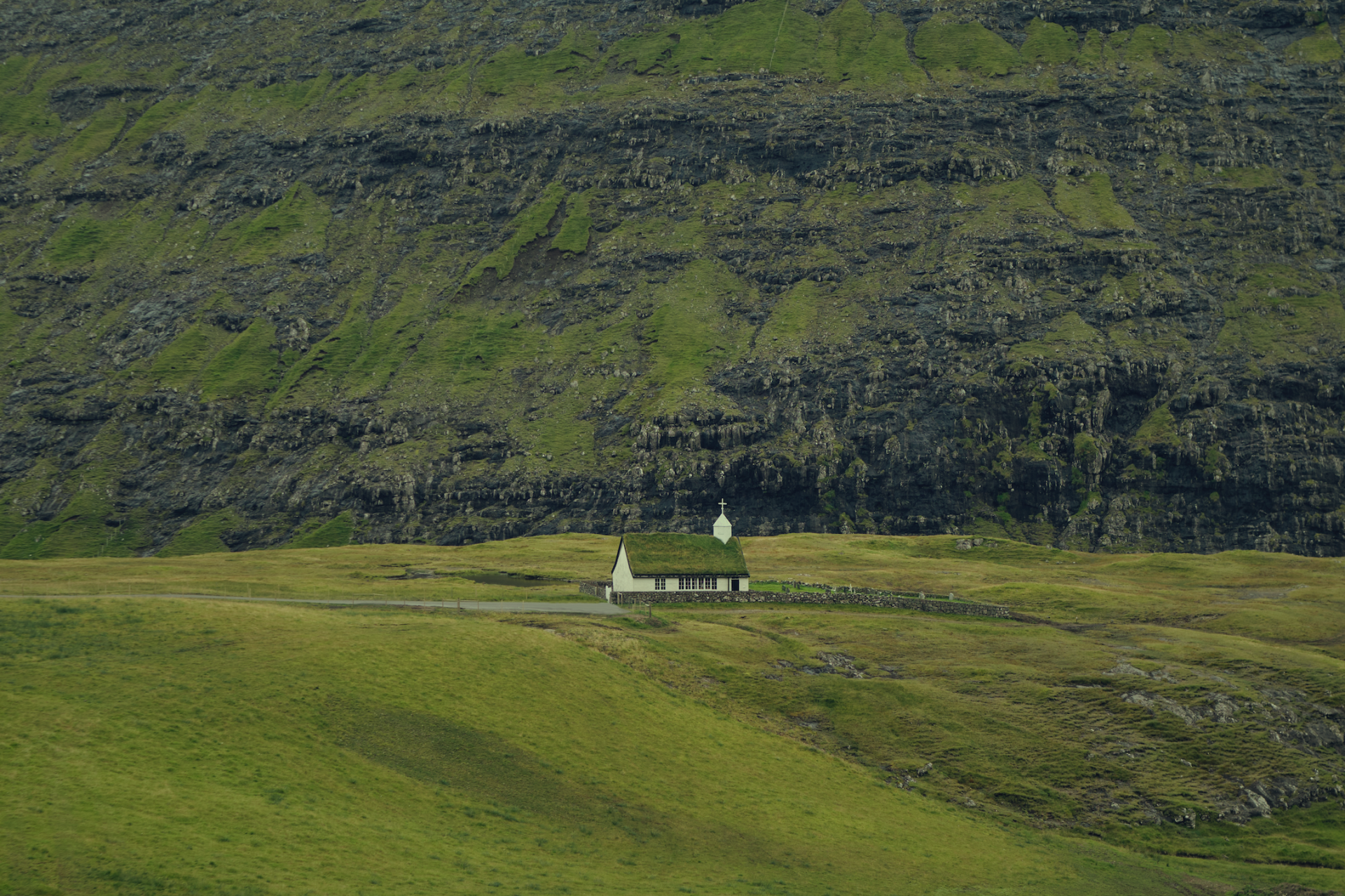
Nearby Saksun is another contender for the Faroes‘ prettiest village. Here, a bevvy of turf-roofed houses, backed by austere rocky knolls and strung out along the Dalá river, look out on a white-washed stone church and a tidal lagoon known as Pollurin, which is all but enclosed by sheer craggy cliff walls yet opens out to the sea on its western edge. At low tide, it‘s possible to walk along the sandy shore of the lagoon and around the headland to reach the open ocean (be sure to stay on the walking path only). Check out Dúvugarðar below to experience Saksun.

The oldest whaling station

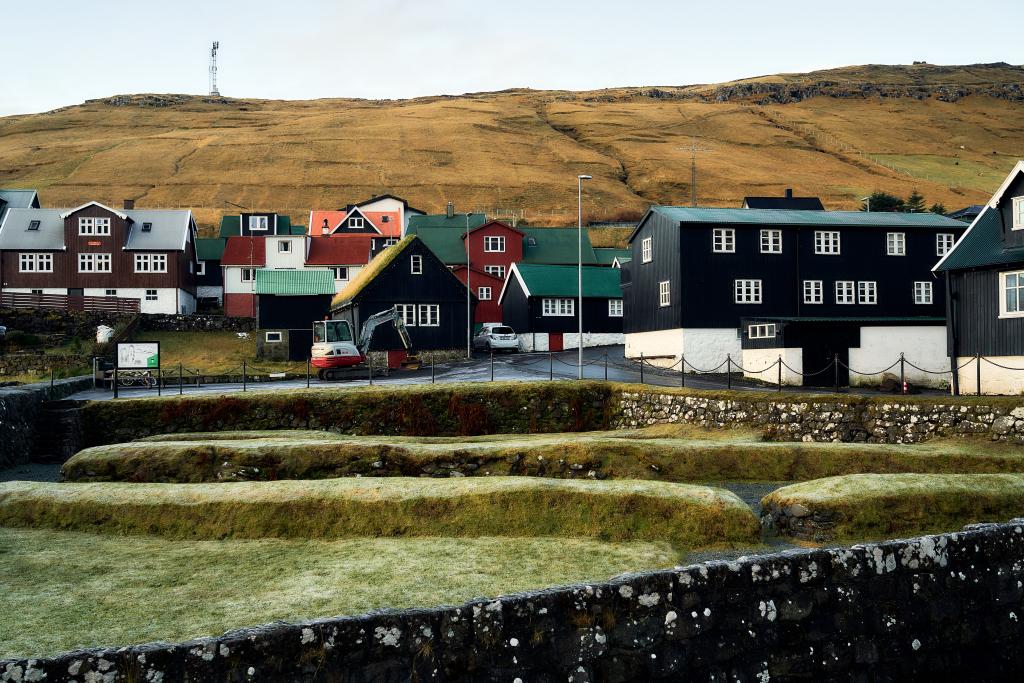
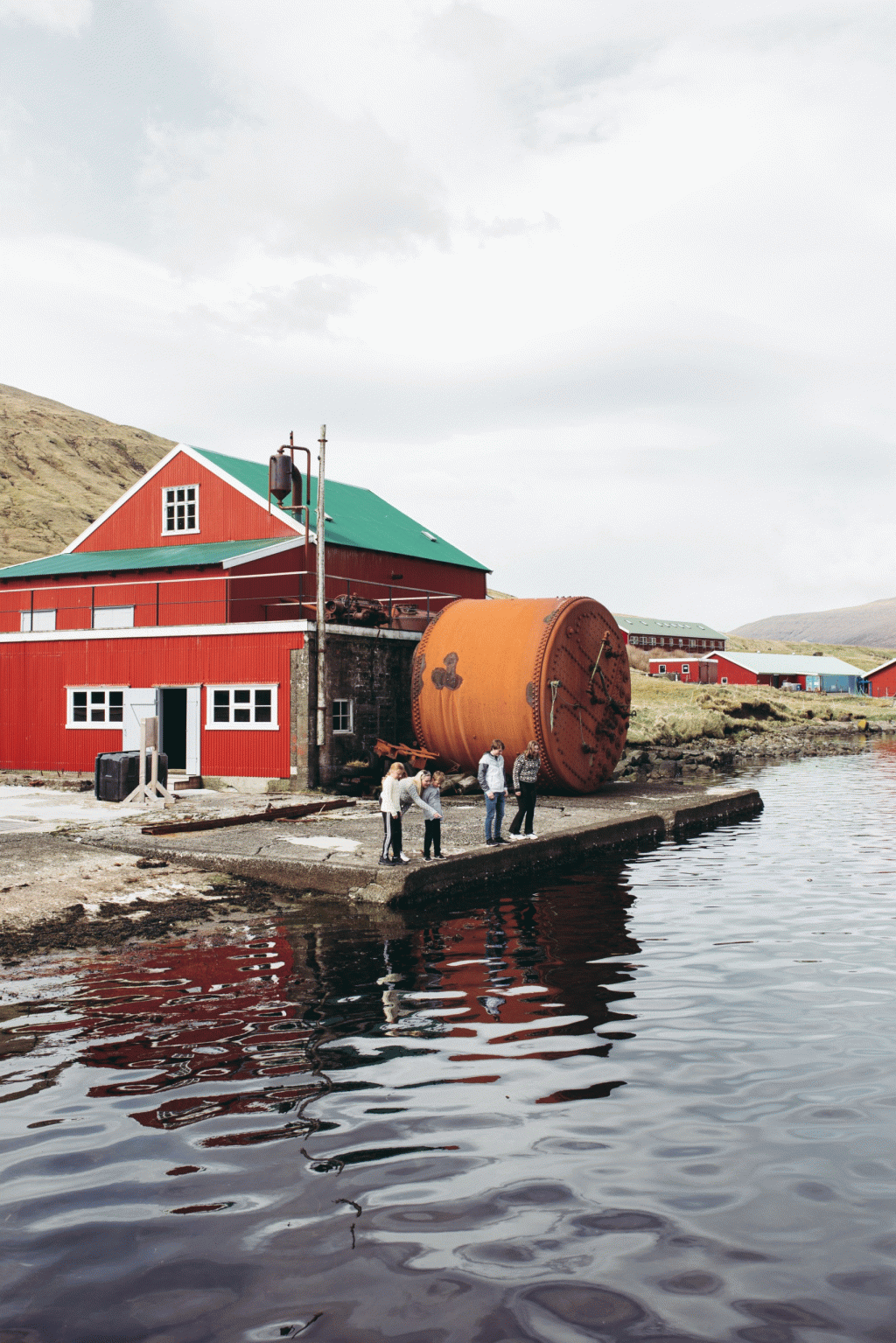
On Northern Streymoy‘s east coast, a short drive away, is the former whaling station of við Áir. Built by a Norwegian-Scottish company in 1905, it offers a fascinating insight into the history of commercial whaling in the Faroes, which contributed to the industrialisation of the islands. The station looks pretty much like it did when the last whales were winched ashore in 1984. Informative tours are available, or you can explore the site as you wish.

See our village path routes in the area: Tjørnuvík, Leynar & Kvívík

Go for a pleasant walk between the magnificent mountains of Saksun along the old village path to Tjørnuvík. The path from Hvalvík to Kvívík is also wonderful & has some interesting historical traces.

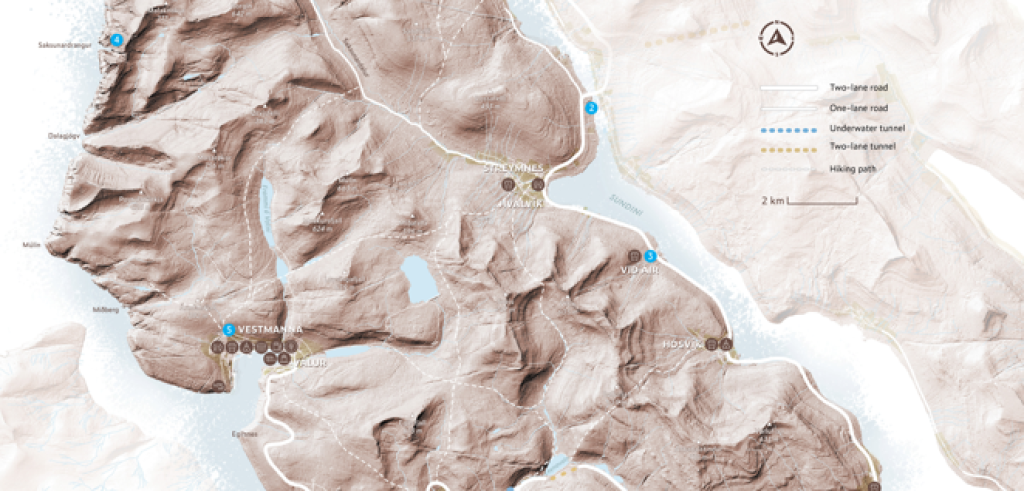
Map

North Streymoy Map
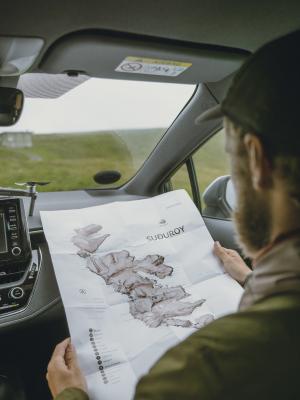
- yours to unfold
download
Day trip to Tjørnuvík
Guide to travelling to Tjørnuvík by public bus
download