





THE IMPORTANCE OF FAROESE WOOL | A TIMELESS TRADITION
Link Copied!

The old Faroese proverb, “Ull er Føroya gull,” which translates to “Wool is the gold of the Faroes,” once accurately reflected the society of the Faroe Islands. While many Faroese people still recognise this saying today, few believe it applies to contemporary life. There is a good reason for the saying, though, as until the mid-19th century, the Faroe Islands were primarily agricultural, heavily reliant on sheep and sheep breeding for their wool. Wool and wool products were the main exports of the islands.
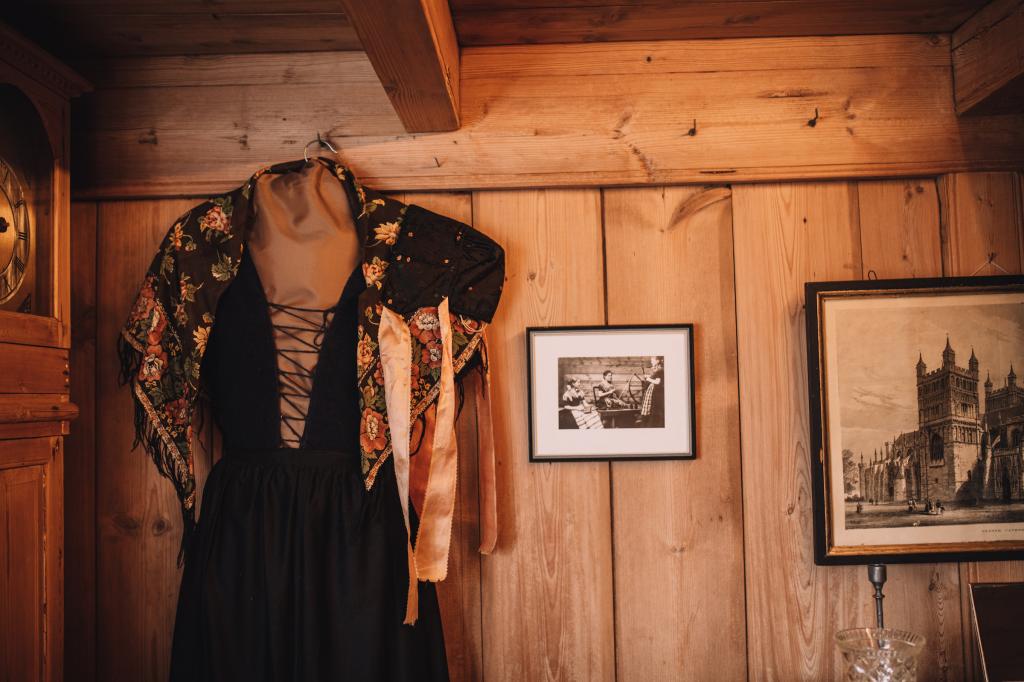
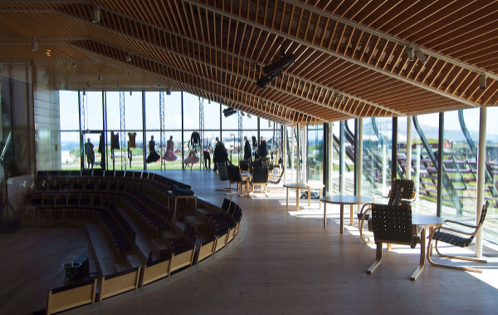
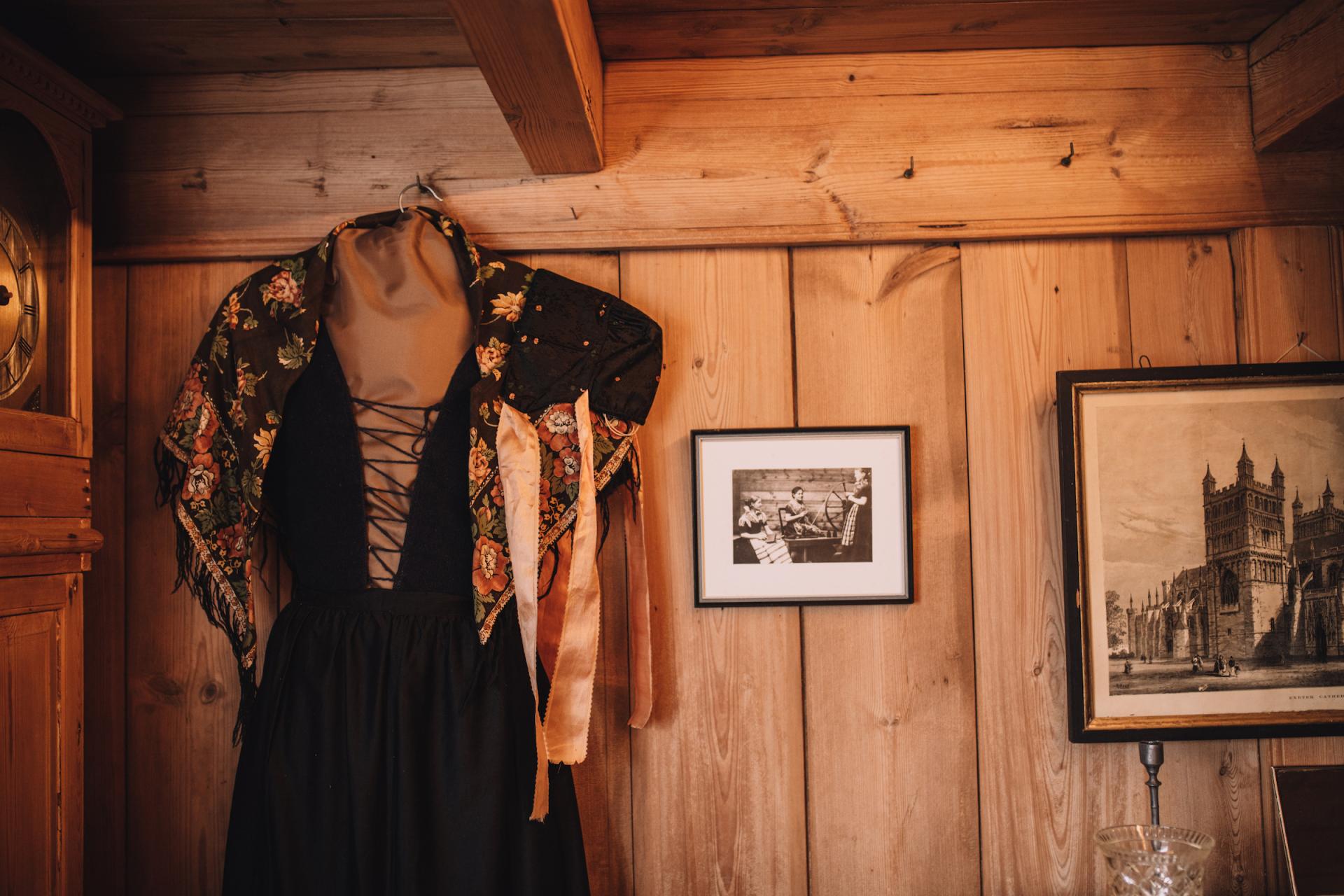
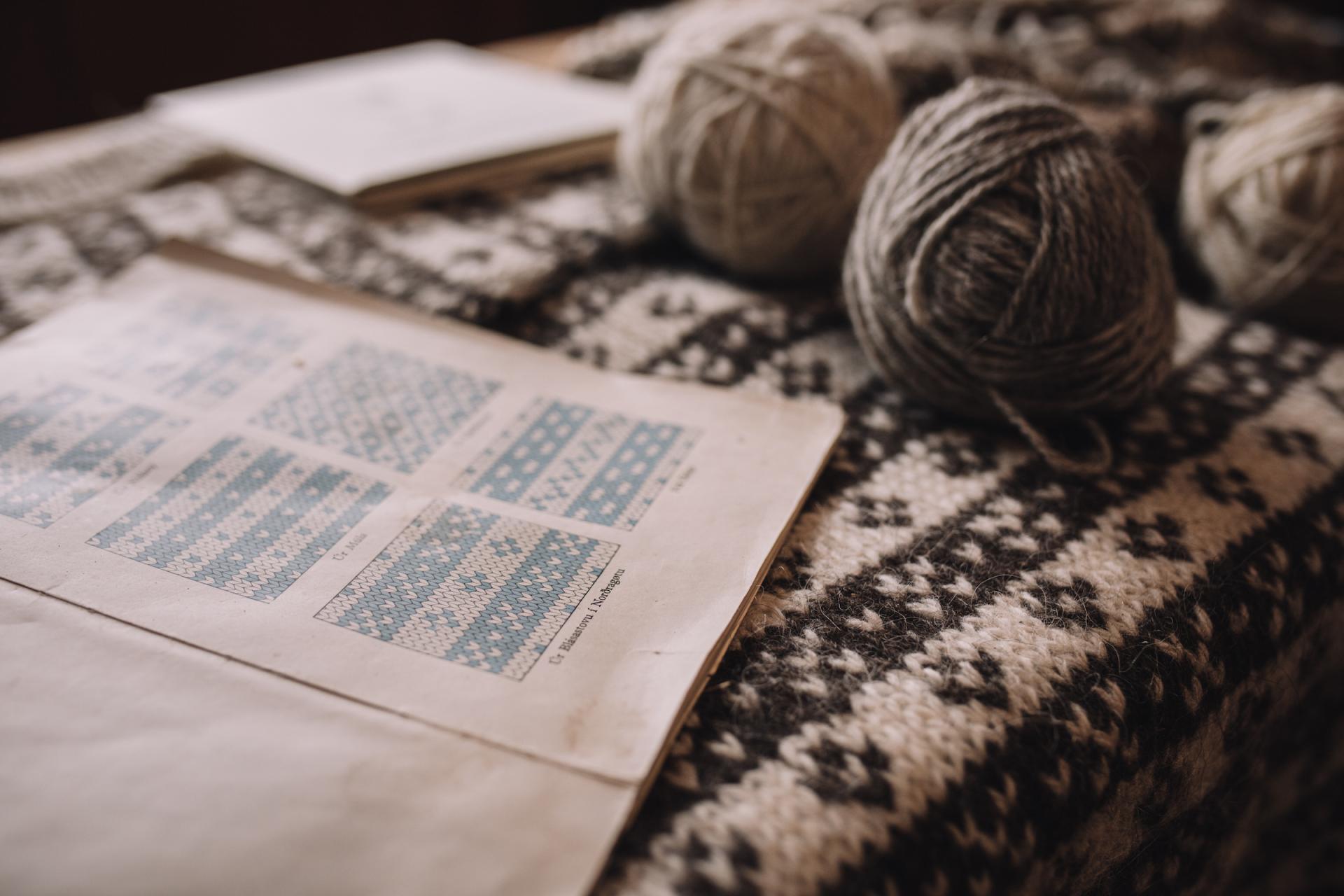
Blásastova History Museum, Norðagøta
i
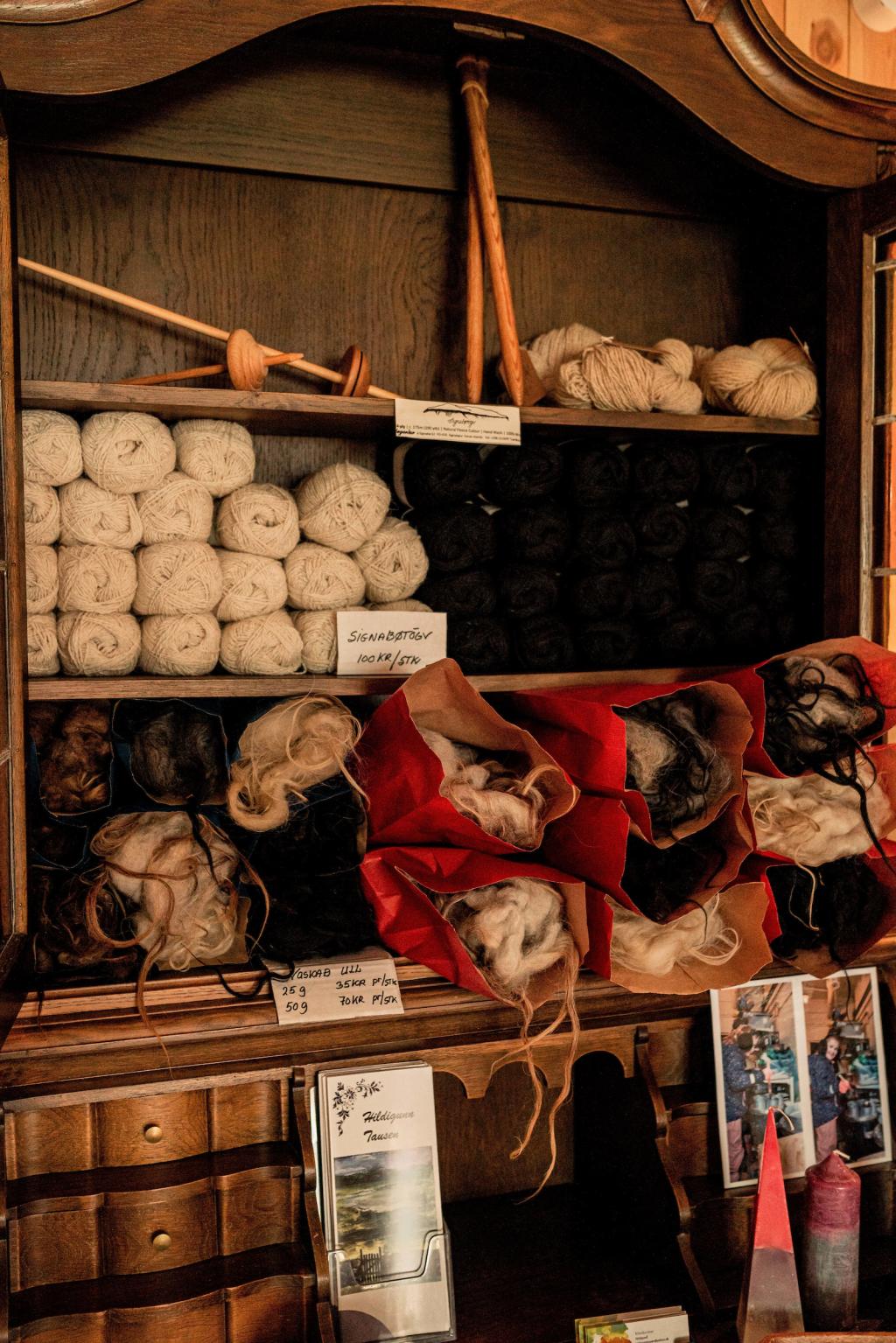
KvívíkKnit, Kvívík
i
Characteristics of Faroese Wool
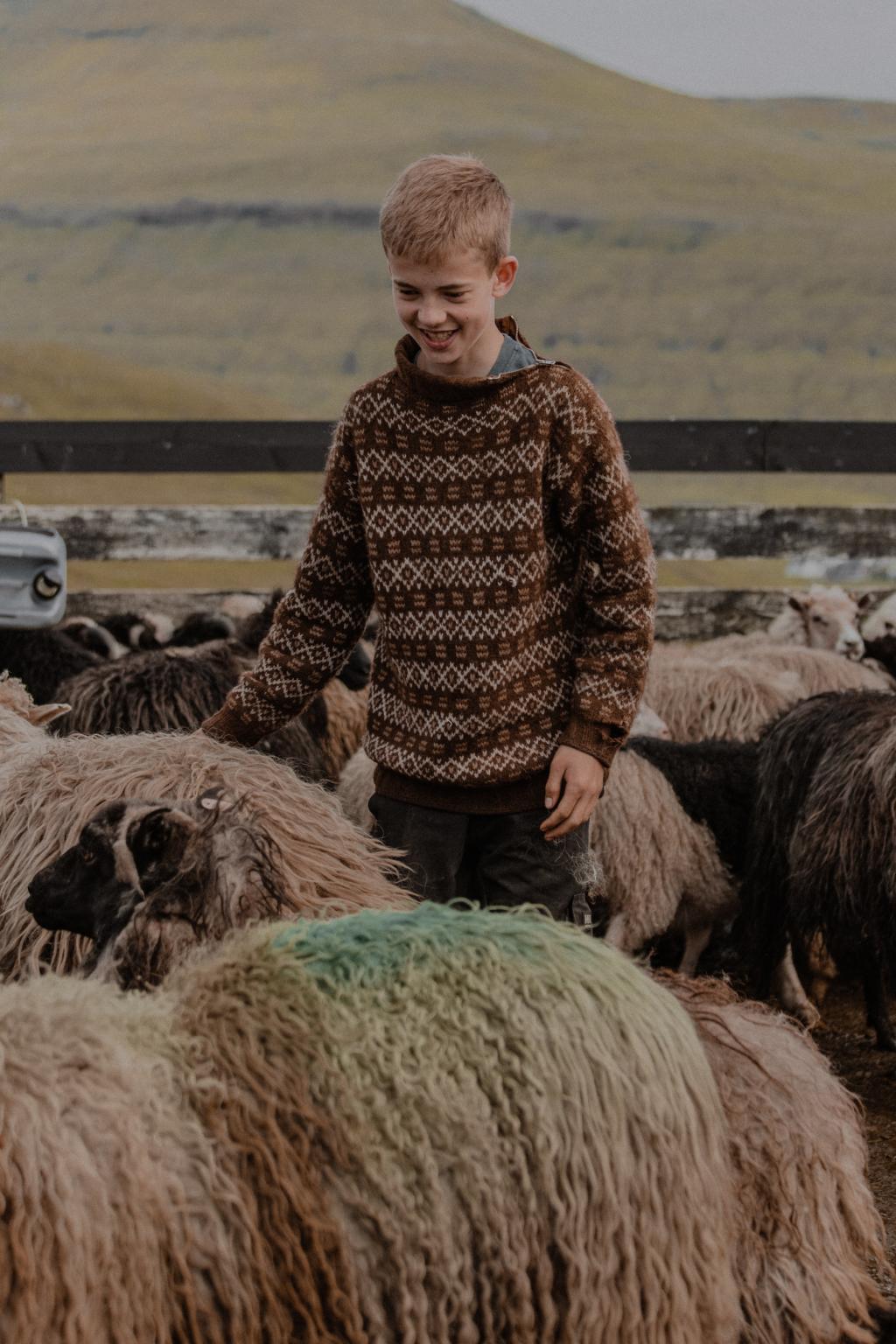
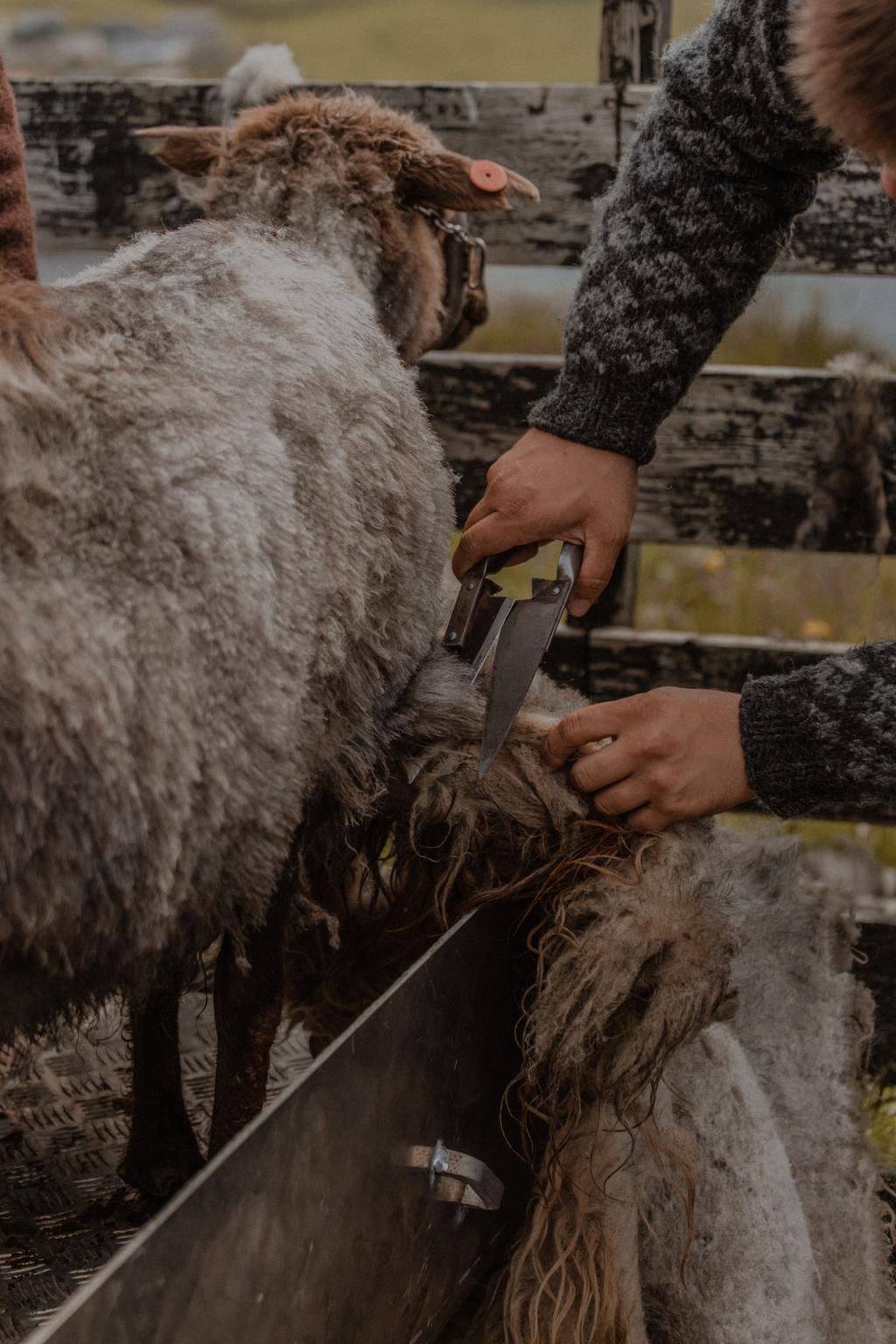
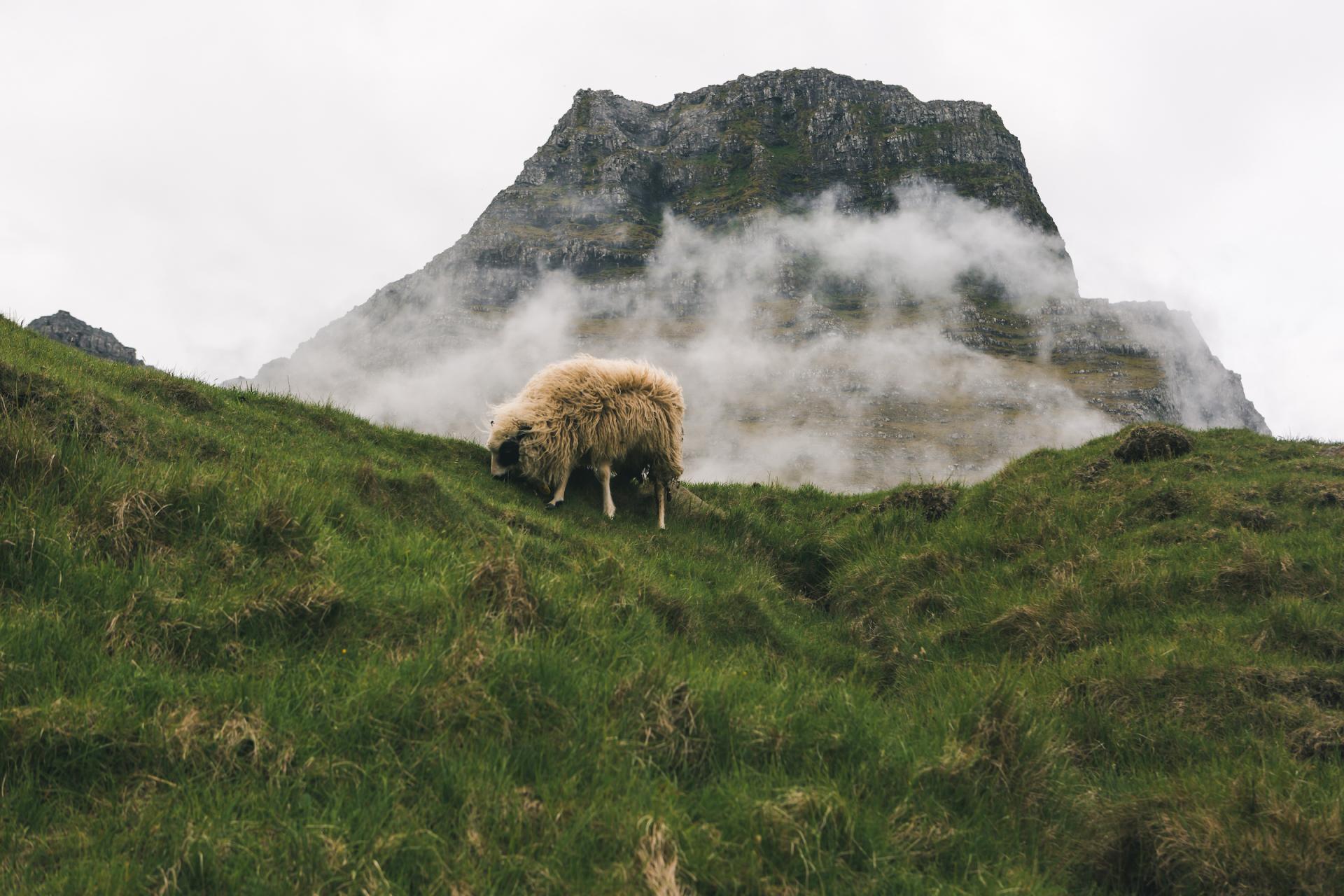
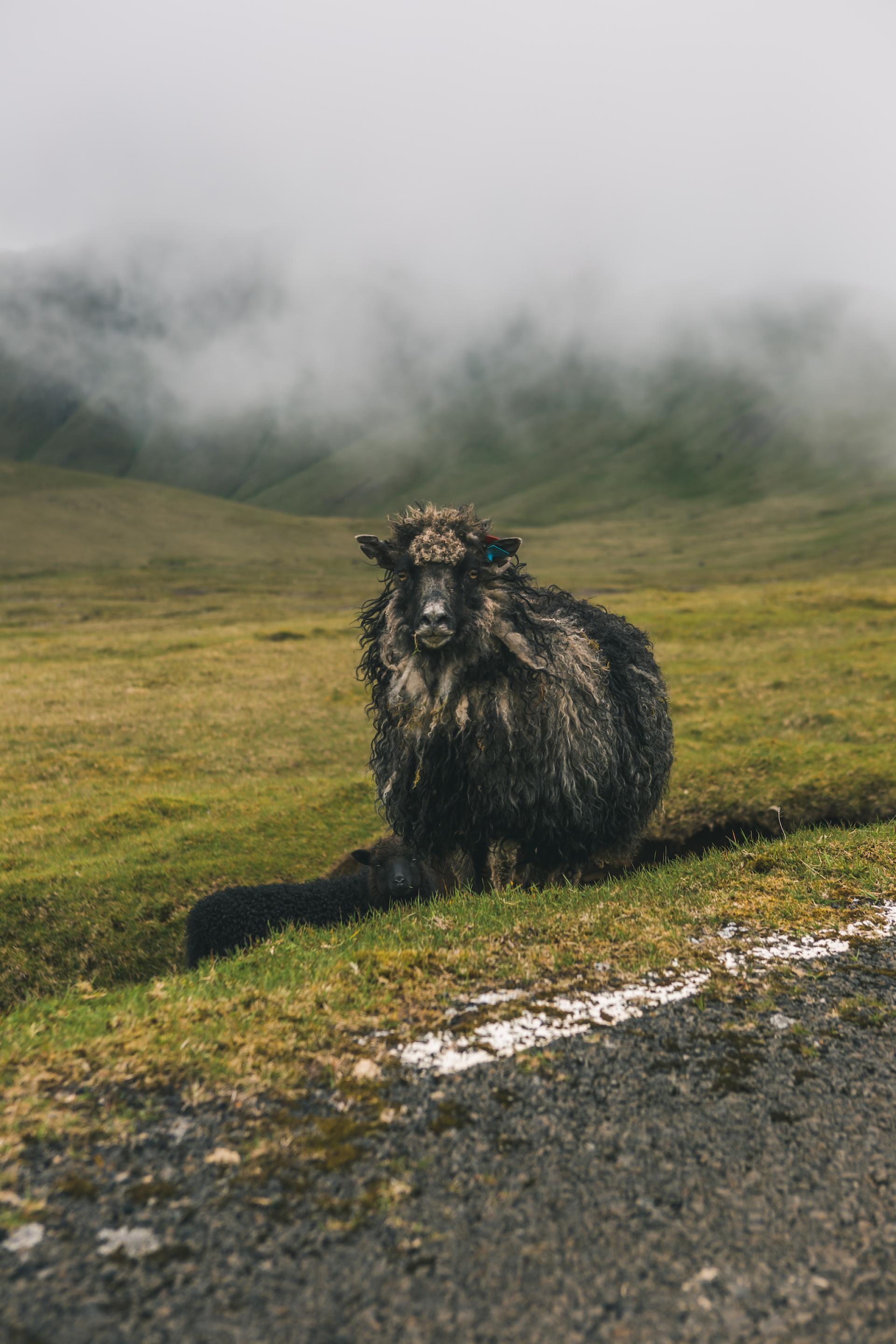
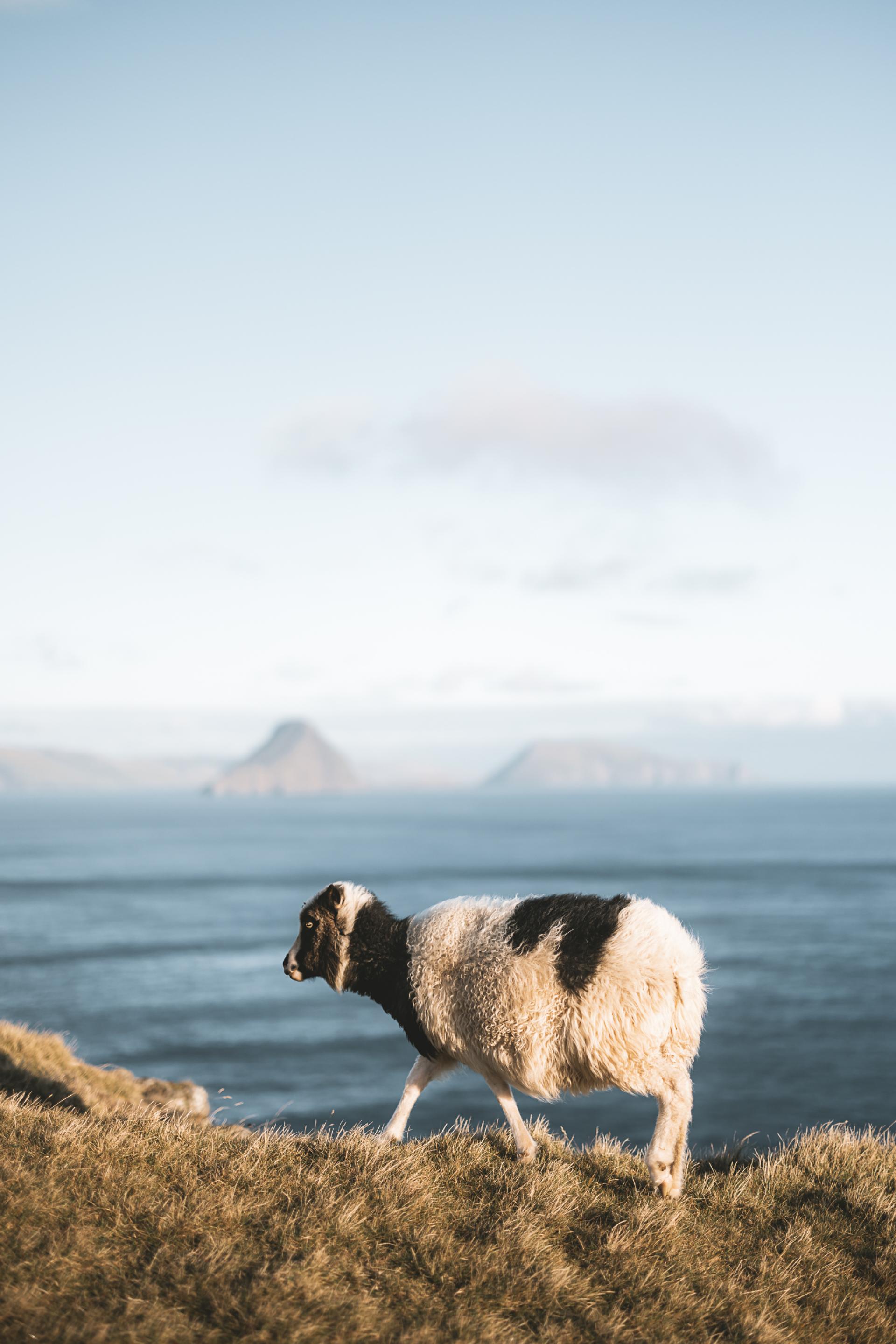
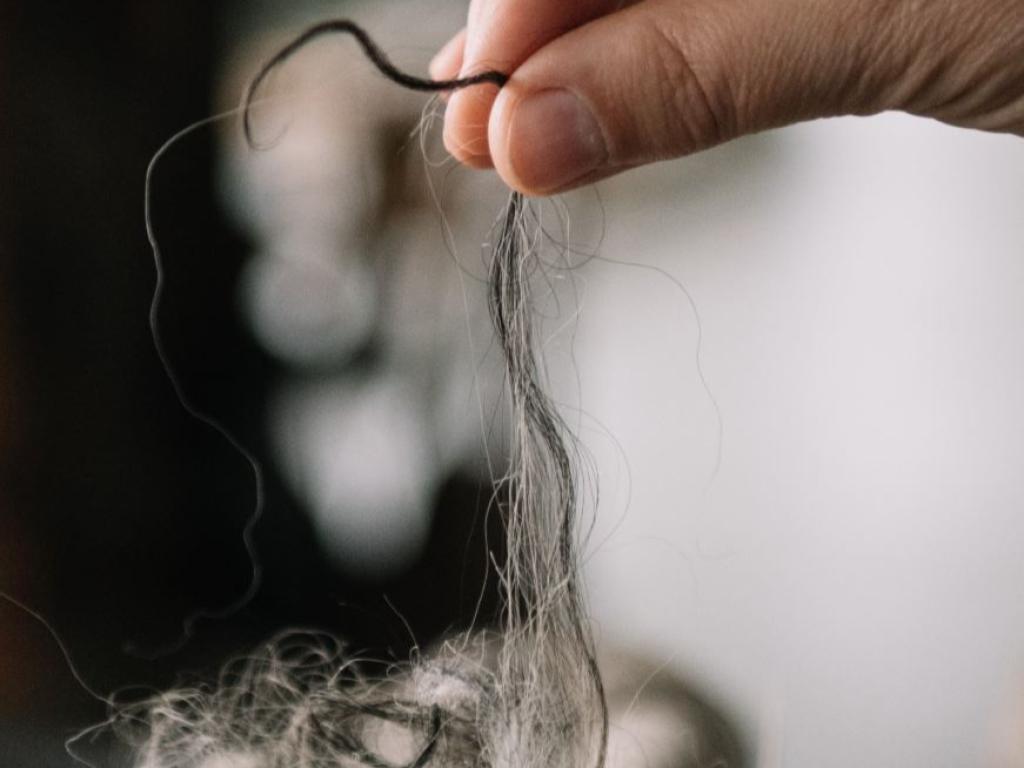
The wool of the Faroese sheep is double-coated and comprises a fine, soft inner coat and a rougher, long-haired outer coat. The coarse outer layer of guard hair (the ‘broddur’) leads the wind and rain off, thus protecting the sheep's body, while the soft inner layer allows it to breathe and keeps it warm. Because of the weather, the Faroese sheep have adapted to their surroundings and produce a fleece rich in lanolin, a natural wax with inherent waterproof properties. These different variables, the different colours and the two-layered fleece give quite the options when making yarn of the wool the Faroese sheep continuously produce
Wool production today
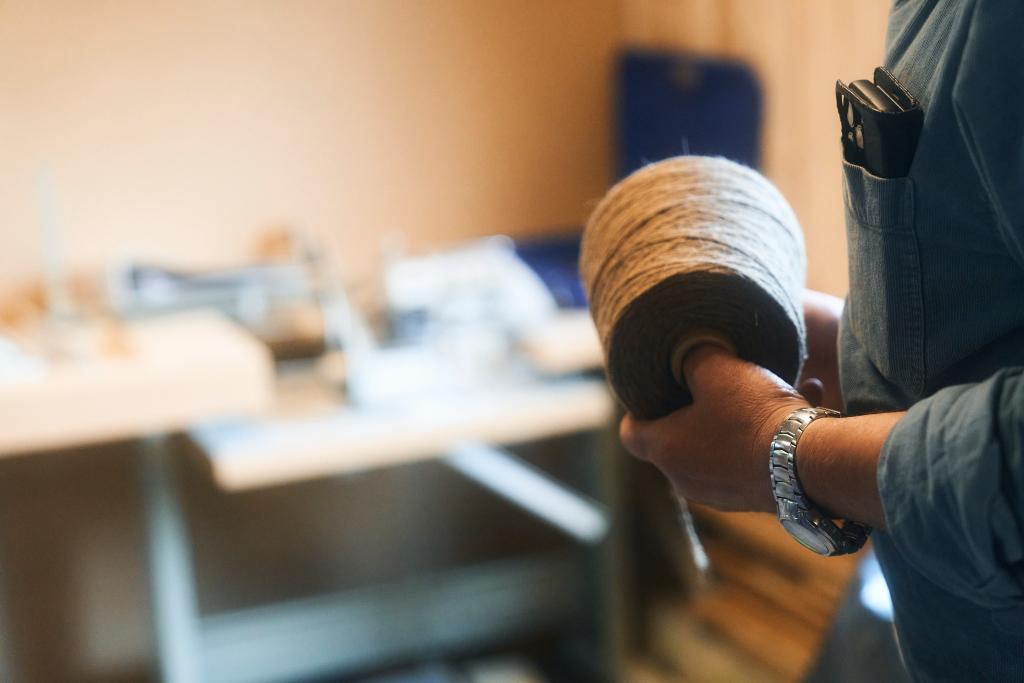
The Spinning Mill by the river
Discover The Spinning Mill by the river—a family-run micro wool spinnery in the Faroe Islands crafting soft, sustainable yarns.
Sandoy
Spinnaríið
Discover Spinnaríið, the House of Faroese Wool, showcasing rich wool spinning history, workshops, and unique Faroese wool crafts.
Norðoyggjar
Snældan yarn producer
Snældan yarn producer offers handcrafted Faroese yarn and knitwear from a family-owned spinning mill in Strendur, showcasing tradition.
Eysturoy
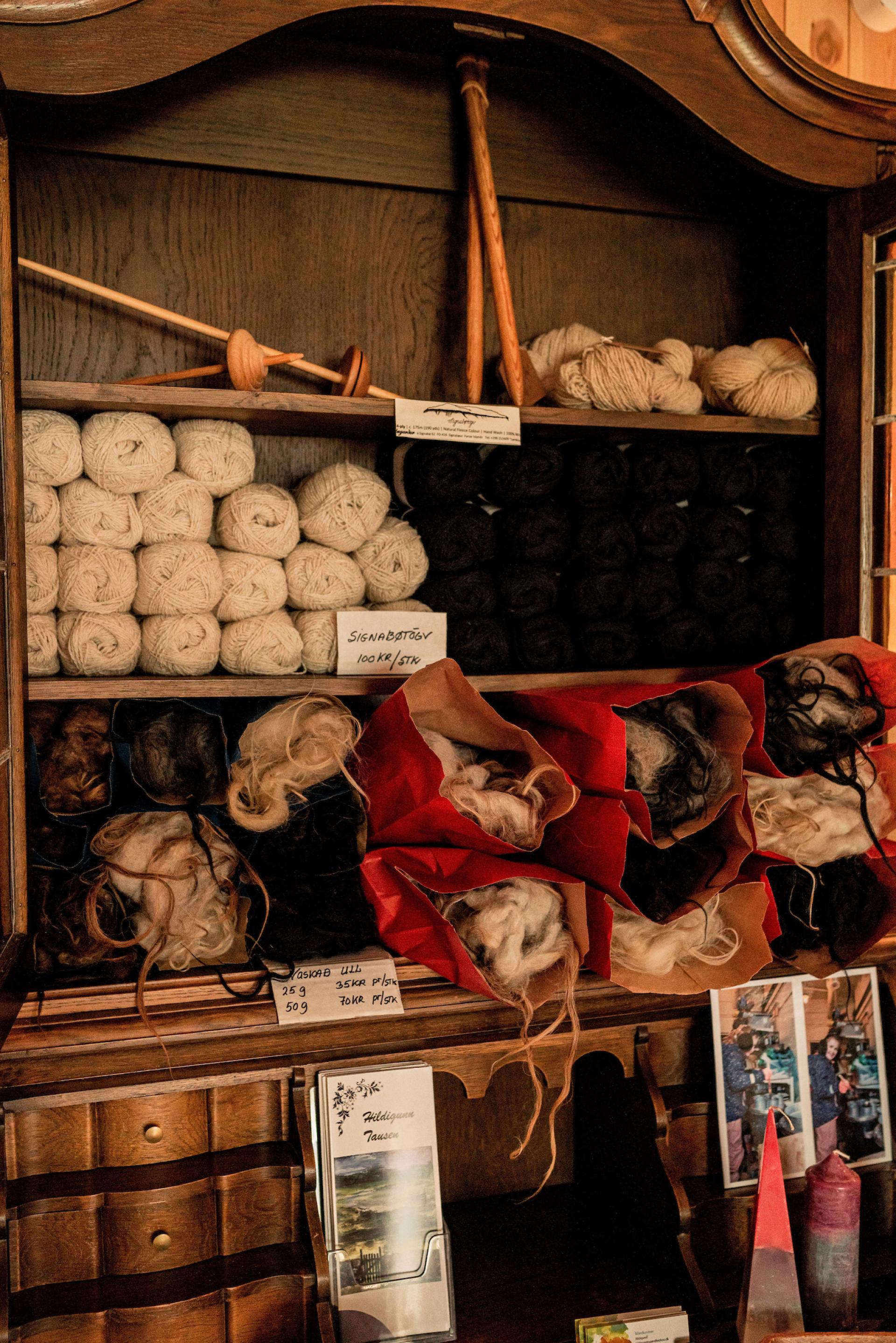
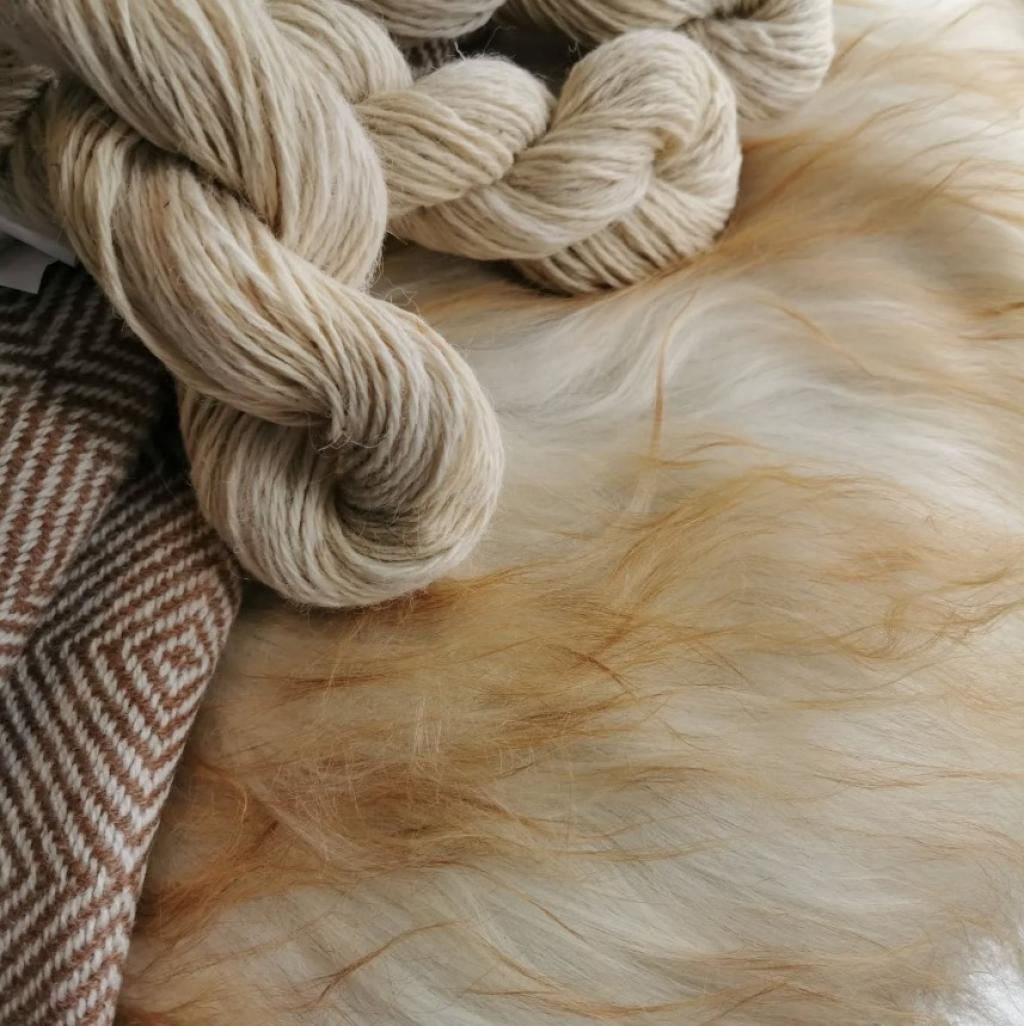
We have three different types of yarn: One from the soft inner layer (nappað tógv), one from the outer hair, the guard hair (brodda tógv) and one from the mix of the inner layer and the guard hair (samfingið tógv).
The yarn we buy in shops today made with Faroese wool is almost always mixed, i.e. samfingið. But back in the day, it was different; undergarments were usually made with inner wool, whereas outer garments and sweaters were made with either mixed or guard hair. Some people claim that the yarn used for the Fisherman’s sweater, more often than not, was made with a unique mix of the mixed yarn and added guard hair – making it more weather resilient than the mixed yarn but softened with an amount of the inner softer wool. Next to the different yarn variations, you can use different natural colours. With the many colours, you can get yarn in 5 different colour groups, i.e. white, light grey, dark grey, light brown and dark brown.
History of wool production
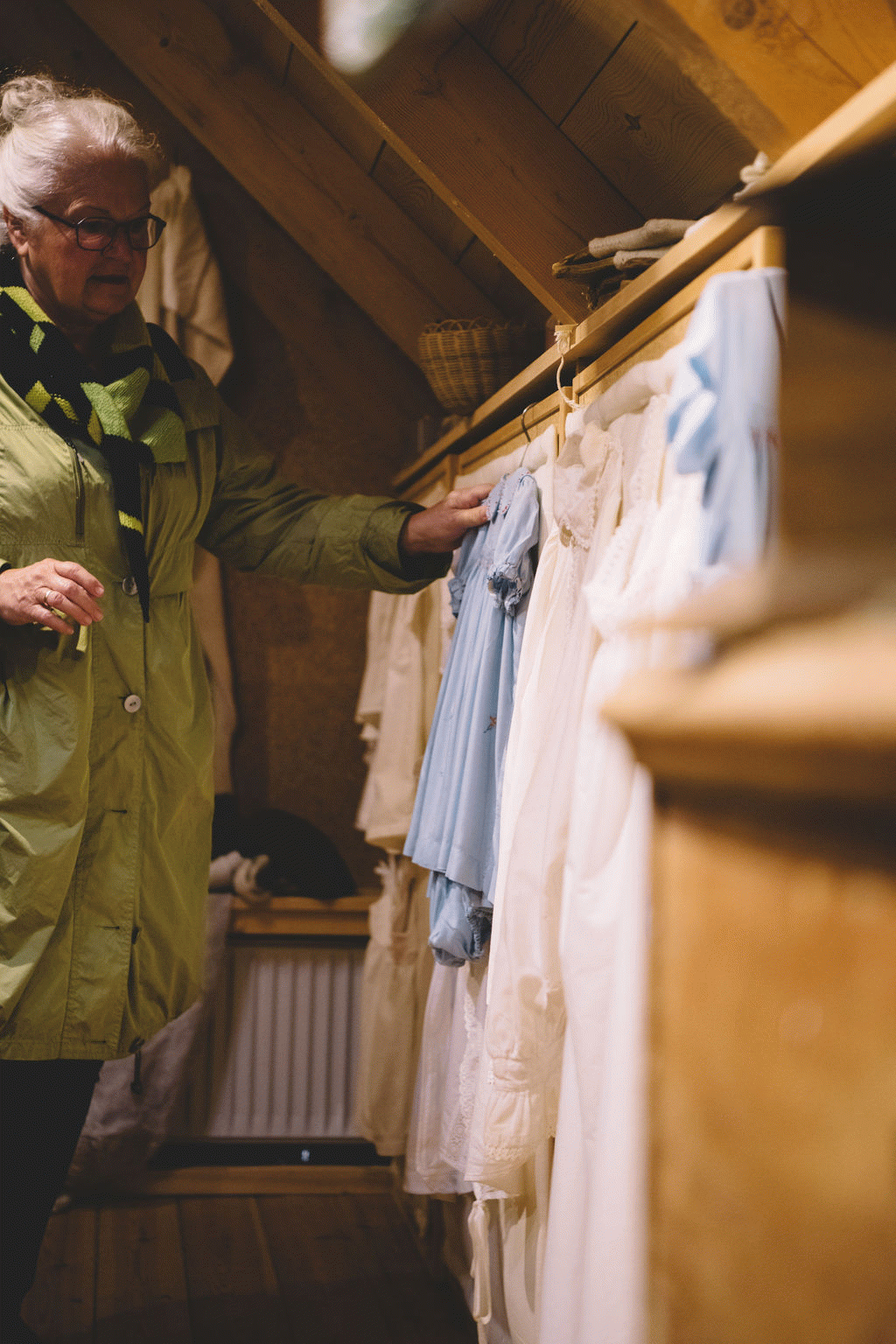
History Museum (Bygdasavnið Látrið)
History Museum (Bygdasavnið Látrið) in the Faroe Islands offers a unique insight into local history inside a beautifully restored 1840 farmhouse.
Eysturoy

The village museum Húsini við Brunn
Discover the village museum Húsini við Brunn, a historic Faroese home with 300 years of rich heritage and unique artifacts.
Streymoy
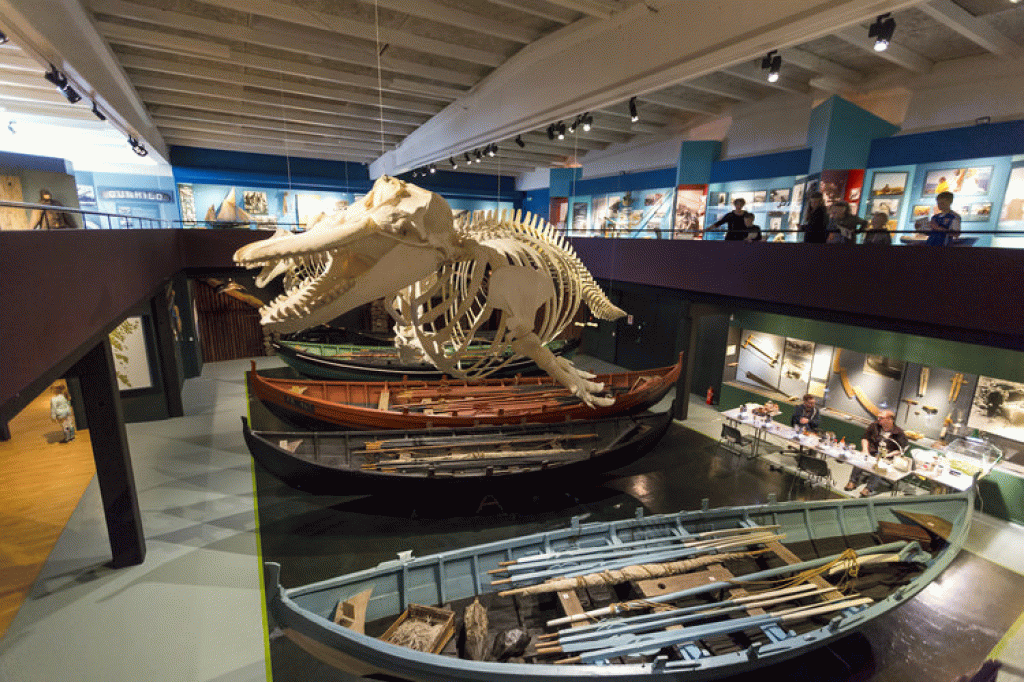
The National Museum
Discover The National Museum in the Faroe Islands: explore geology, history, Viking treasures, and rich cultural heritage.
Tórshavn
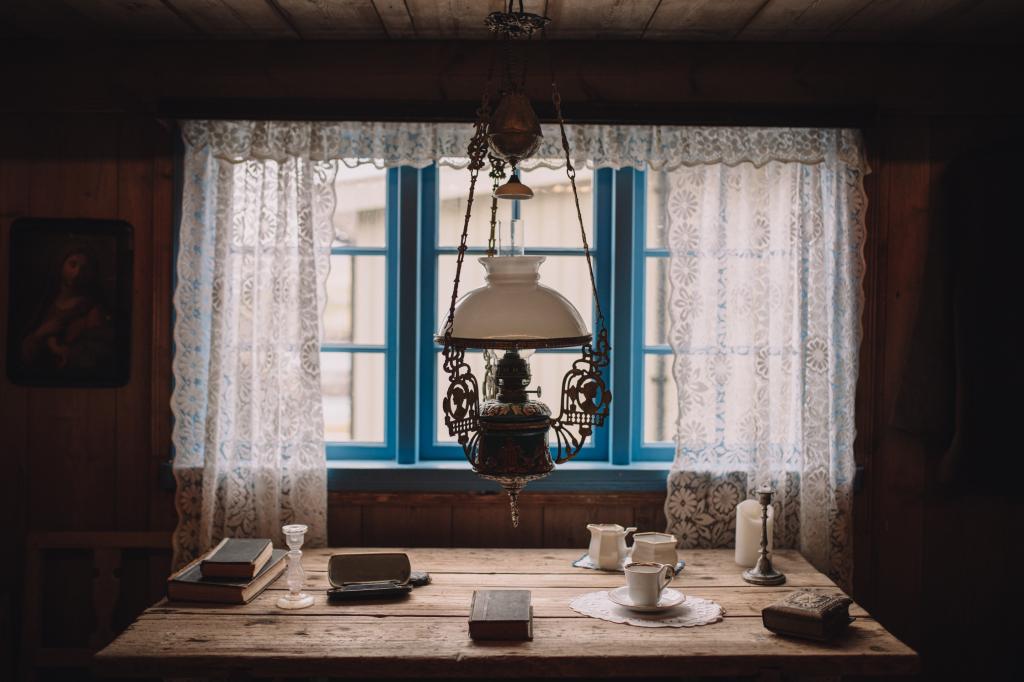
Blásastova
Step back in time at Blásastova, an authentic 19th-century Faroese farmhouse in Norðragøta showcasing traditional culture and history.
Eysturoy
The Fisherman’s Sweater
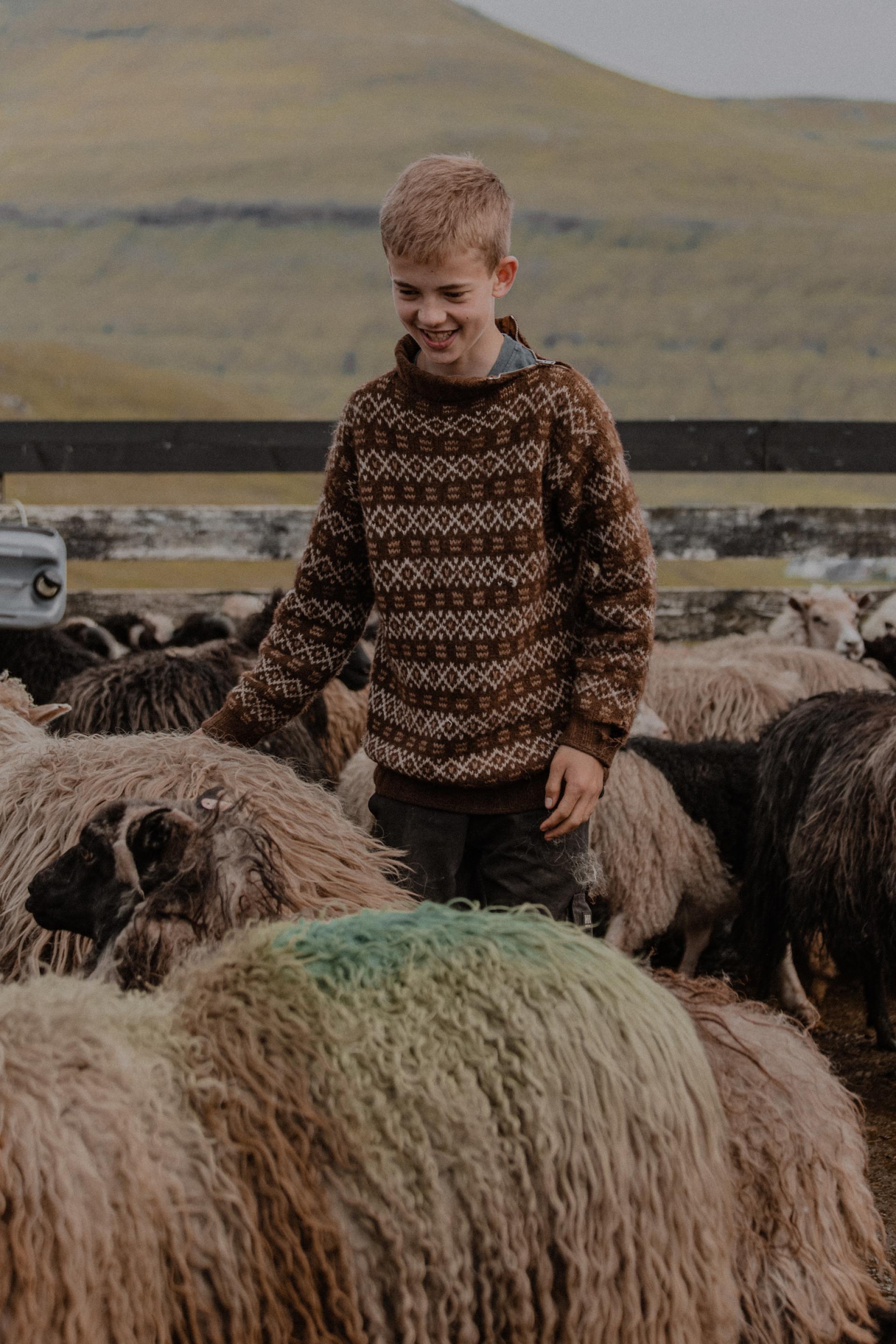
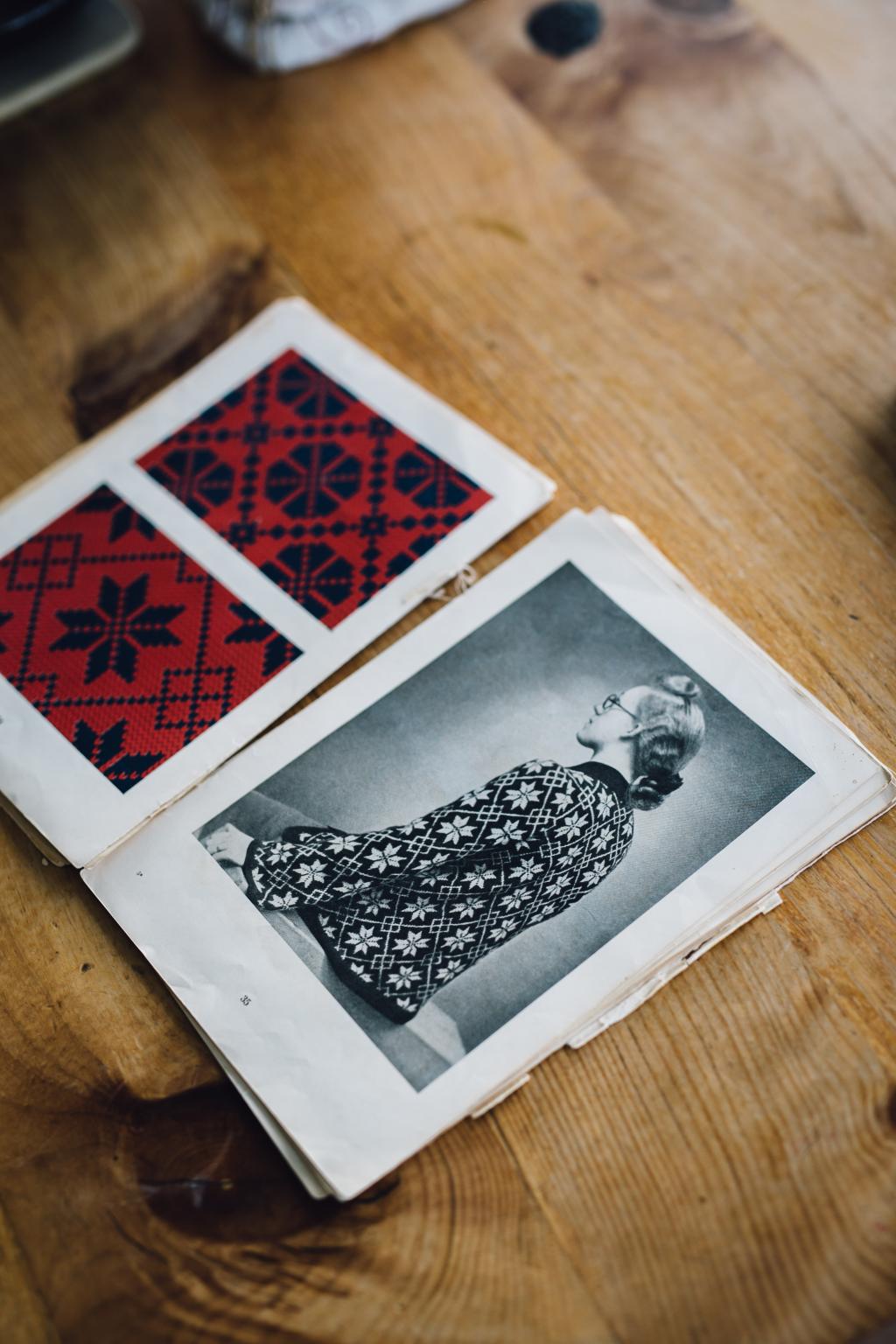
The first time we came upon the word Skipstroyggja, also called the Fisherman’s Sweater, was in 1800. The sweater is an icon in Faroese knitting and is characterised by its beautiful geometric patterns (colour worked). There are some specific characteristics of the sweater. There was either an even pattern throughout the sweater or repeating pattern blocks. It had a high collar, one base colour and one to two pattern colours. The sleeves were attached, and the patterns were usually small, so the float was never longer than four stitches. The yarn used was either made of mixed wool or guard hair alone.
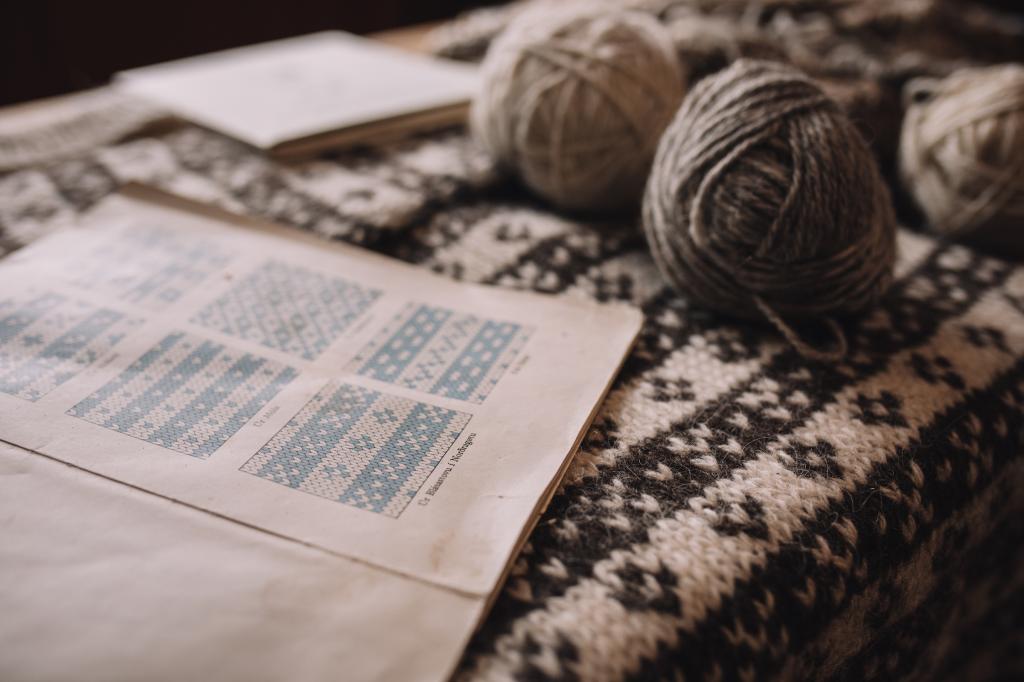
The sweaters were well suited for journeys on the sea as the colour worked patterns made them thicker and warmer. Plus, the sweaters were slightly felted, hence together with the rich amount of lanoline, making them even more water-repellant and suitable for the fishermen. Denmark was the biggest importer of Skipstroyggjan. The sweaters were predominantly used in the Danish armed forces. It was also widely used by fishermen, farmers and coachmen in other Nordic countries.
The tradition of knitting the Fisherman’s Sweater has been passed down through generations, ensuring that the artistry and techniques remain alive today. It is still beloved by the Faroese people, and you’ll find that most Faroese own at least one of these treasured icons. It has evolved through time, skipping some rules thrust upon their construction when exported back in the day. But still, each sweater tells a story, reflecting the skill and creativity of the knitters. The sweater is a great testimony of a blossoming Faroese identity and knitting culture.
Handknitted Sweaters
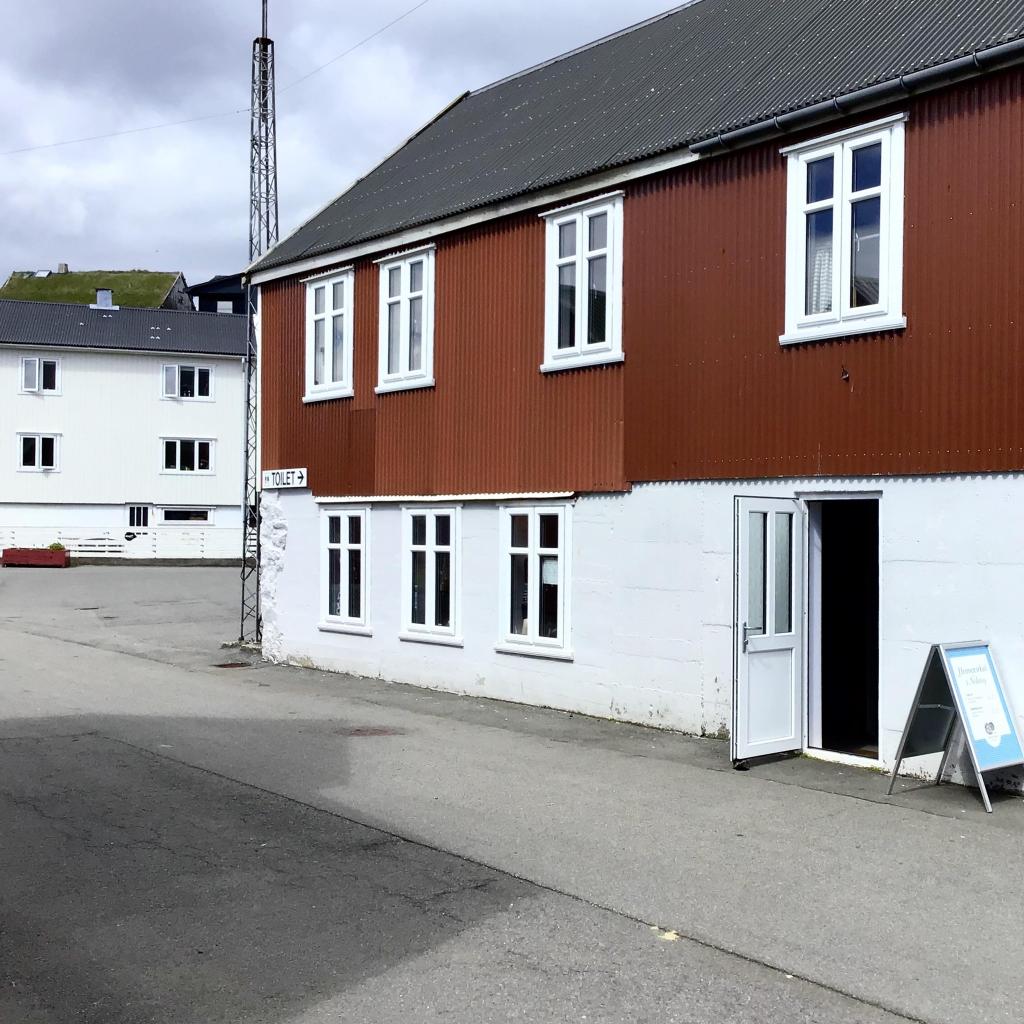
The handycraft shop i Nólsoy
Discover The handycraft shop i Nólsoy with unique homeknitted articles crafted by locals. Visit us for authentic Faroese handmade goods.
Tórshavn
Krambúðin in Vestmanna
Discover Krambúðin in Vestmanna, a charming arts and craft shop with authentic Faroese wool products, café, and local crafts.
Streymoy

Føroya Heimavirkisfelag
Discover unique homemade knitted and crafted articles at Føroya Heimavirkisfelag in Tórshavn, perfect Faroese souvenirs.
Tórshavn
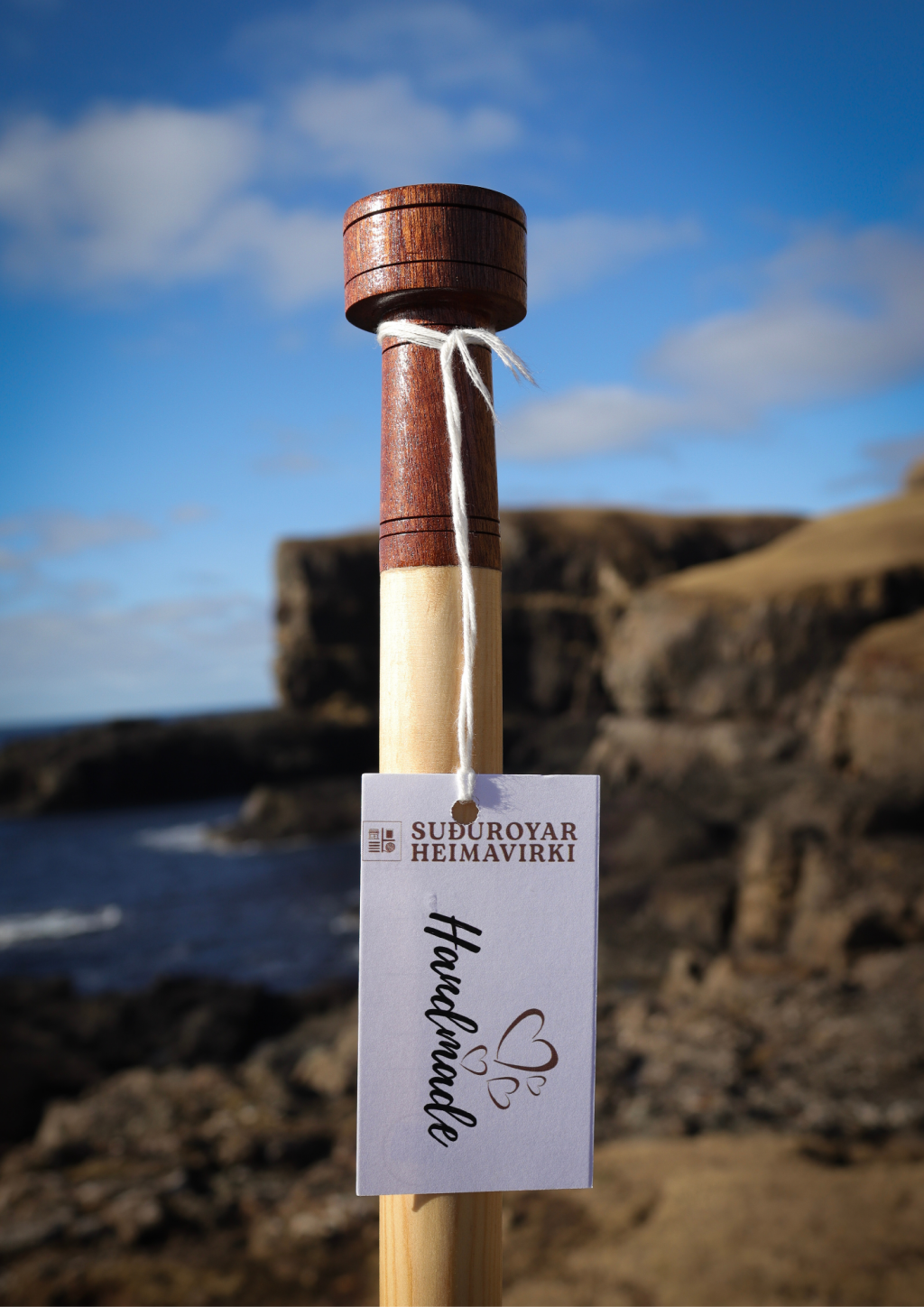
Suðuroyar Heimavirki
Discover Suðuroyar Heimavirki in Suðuroy – a versatile store with unique handmade goods, Faroese products, and pharmacy essentials.
Suðuroy
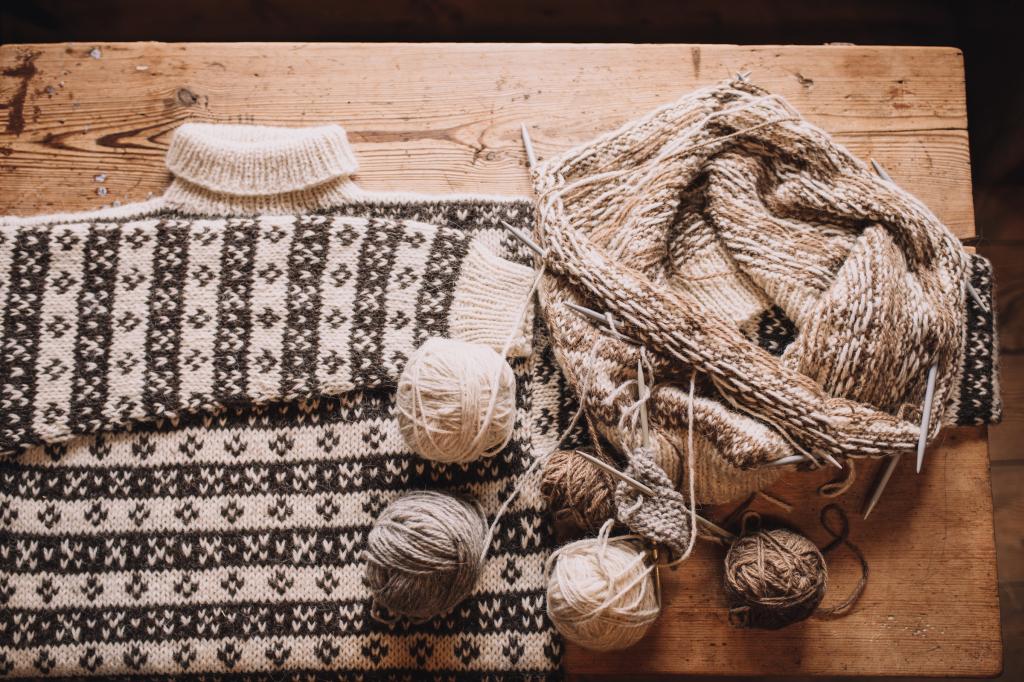
Heimavirkni in Runavík
Discover Heimavirkni in Runavík, a cosy shop offering authentic handmade Faroese woollen knitwear and local artisan goods.
Eysturoy
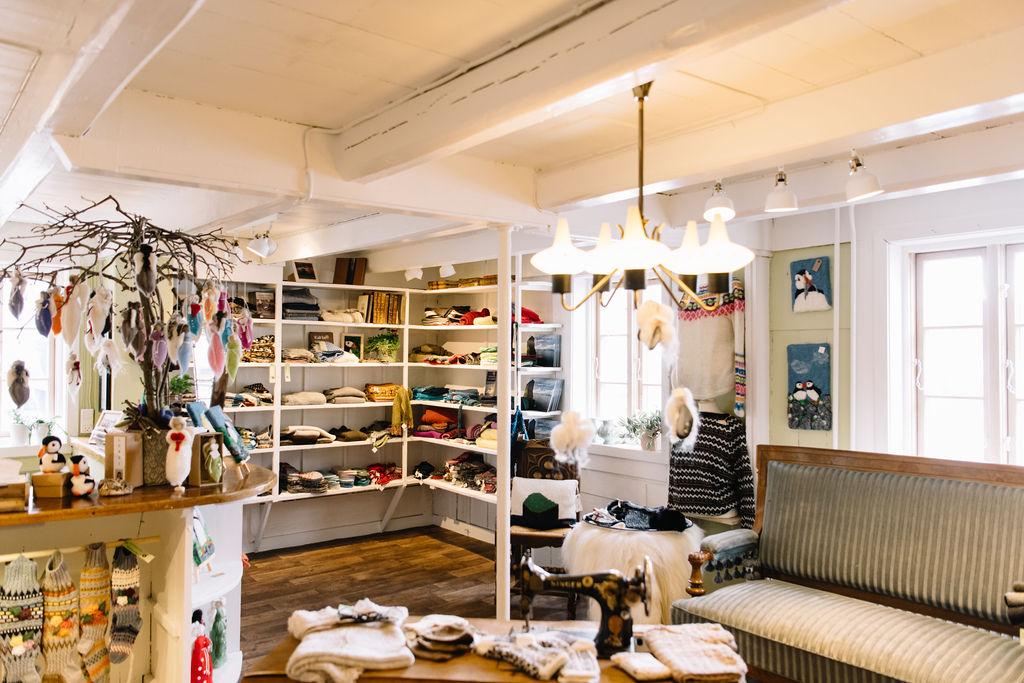
Handicraft shop in Fuglafjørður
Find unique local handicrafts in the cosy historic store in Fuglafjørður
Eysturoy
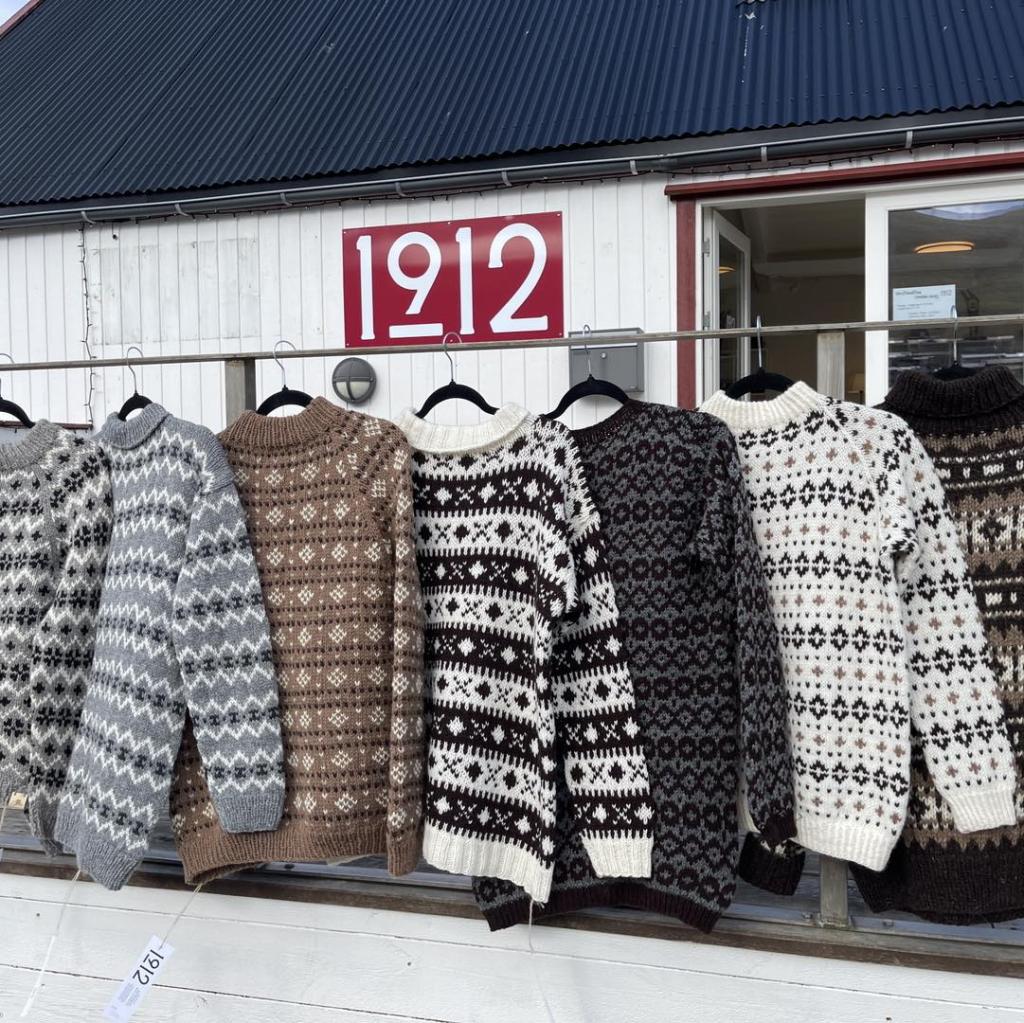
1912
Discover 1912 for unique locally handmade knitwear and authentic souvenirs in a historic Klaksvík building. Experience Faroese craft!
Norðoyggjar
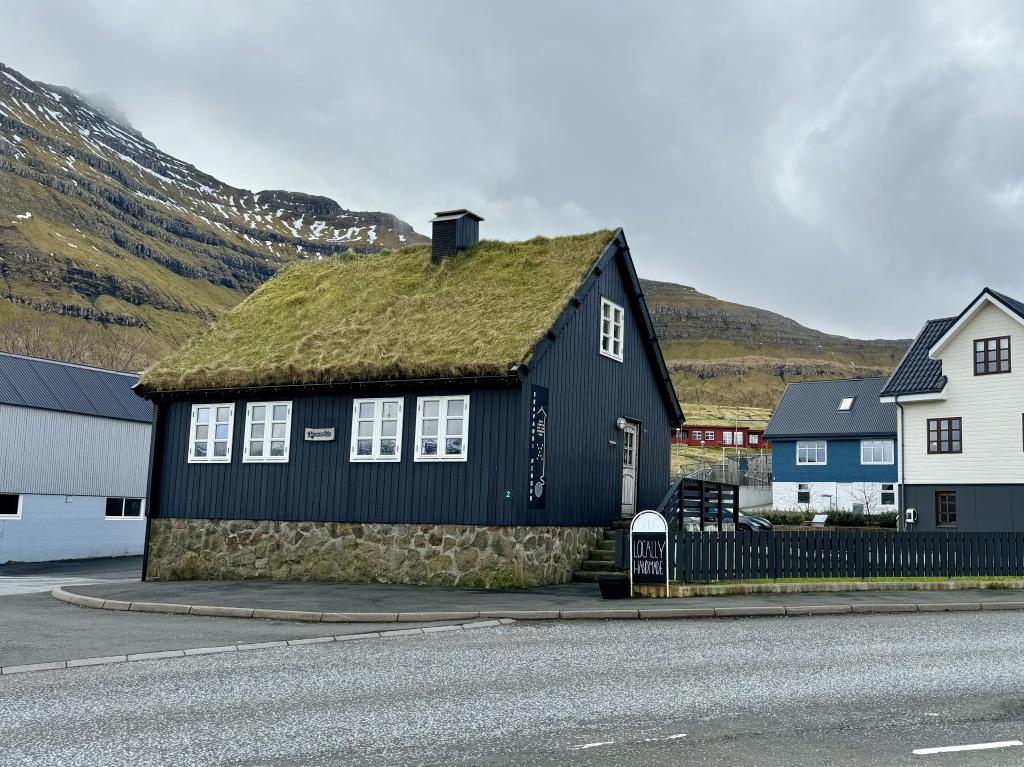
Lávusarhús
Discover Lávusarhús, a cosy Arts & Crafts shop in the Faroe Islands offering unique handcrafted local treasures.
Eysturoy
Shearing and Wool Production
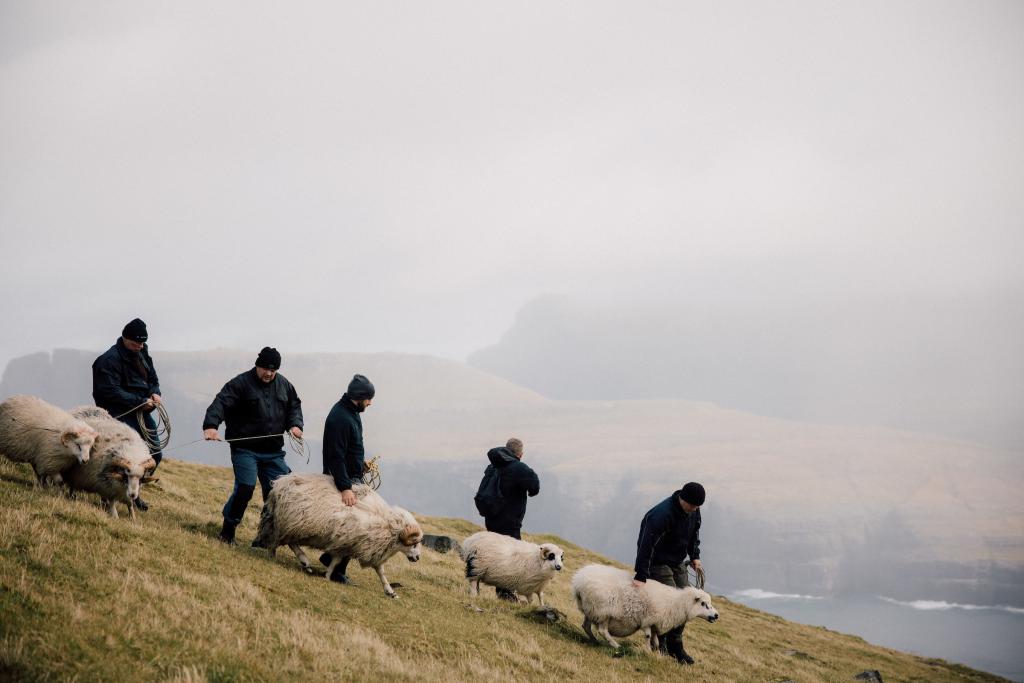
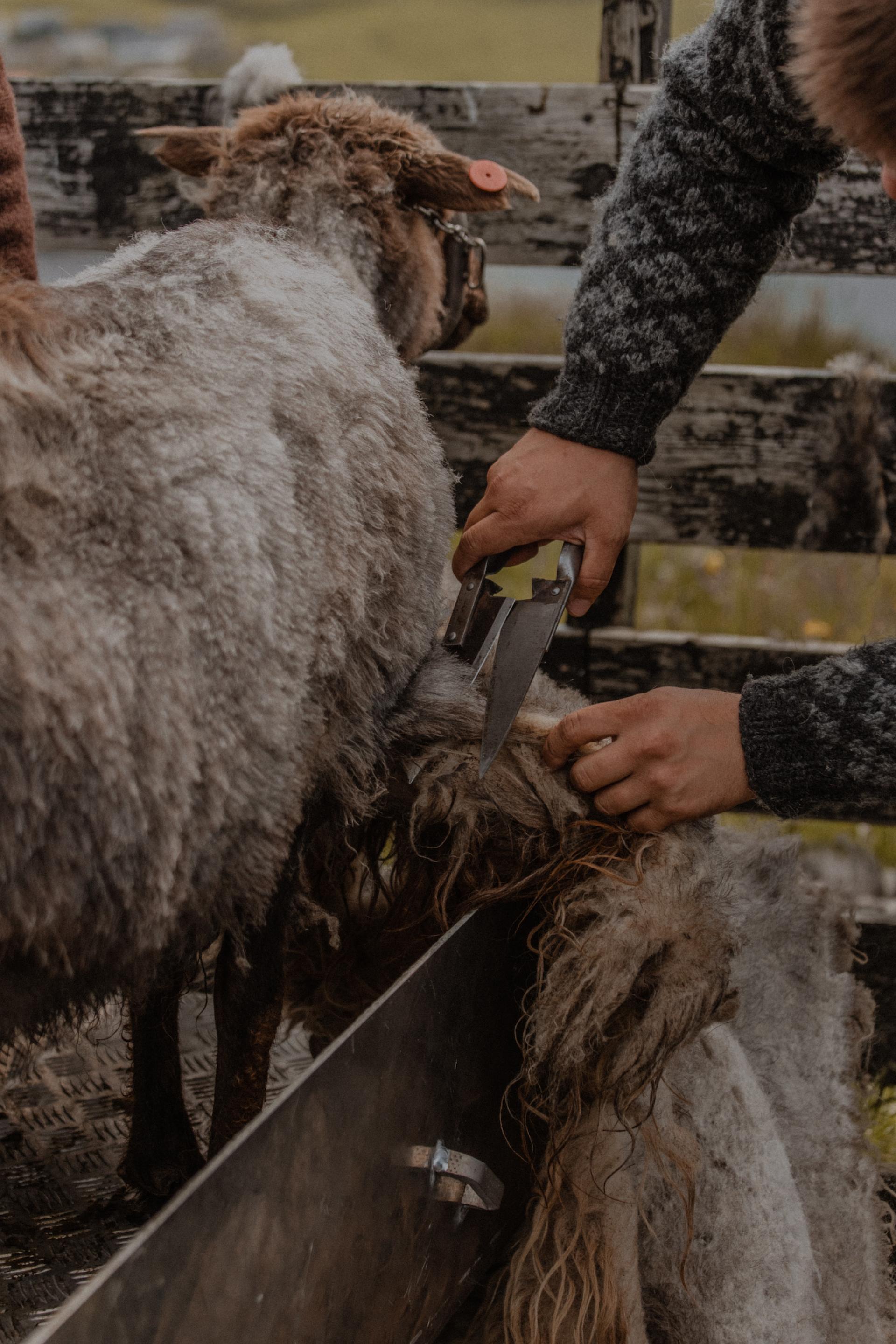
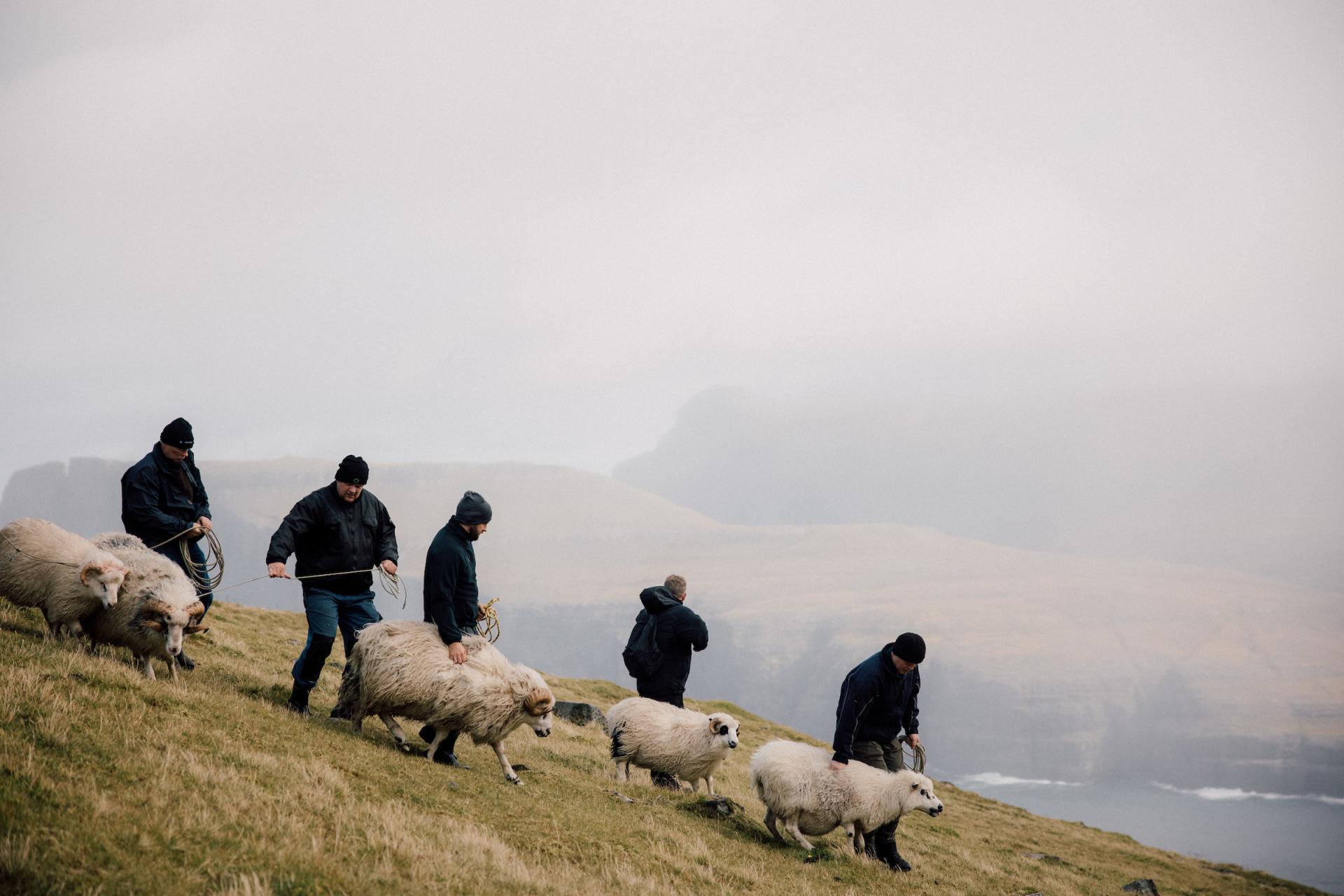
Although you will see some sheep in early summer who have naturally shed some of their wool, they need help removing their old winter coats to produce new coats for the upcoming winter.
Shearing sheep is a vital aspect of sheep farming in the Faroe Islands. Typically carried out in the spring, shearing not only provides the raw material for wool products but also ensures the health and well-being of the sheep. The collected wool is then cleaned, sorted, and prepared for spinning and knitting. This meticulous process highlights the deep connection between the islanders and their sheep, emphasising sustainability and respect for nature.
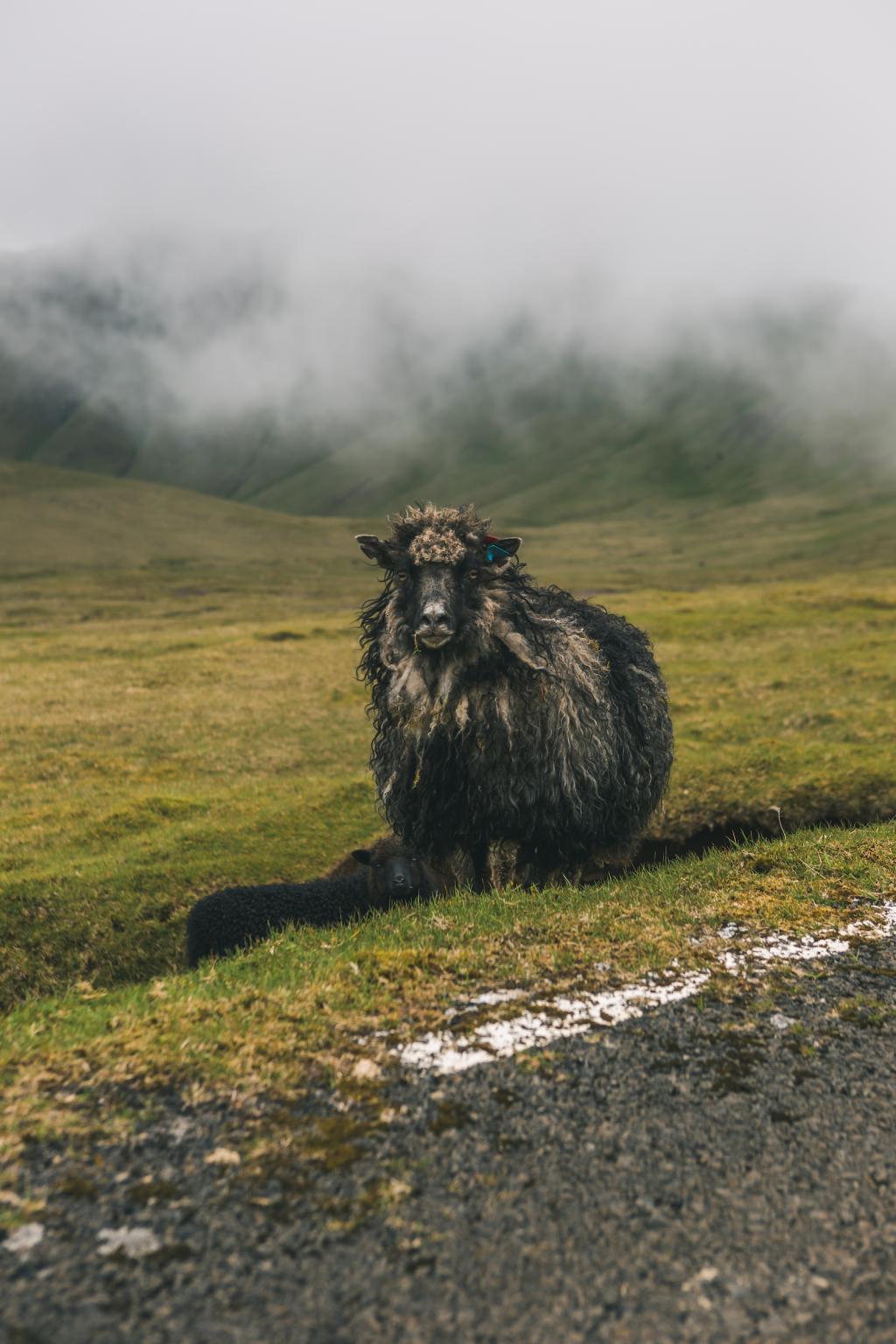
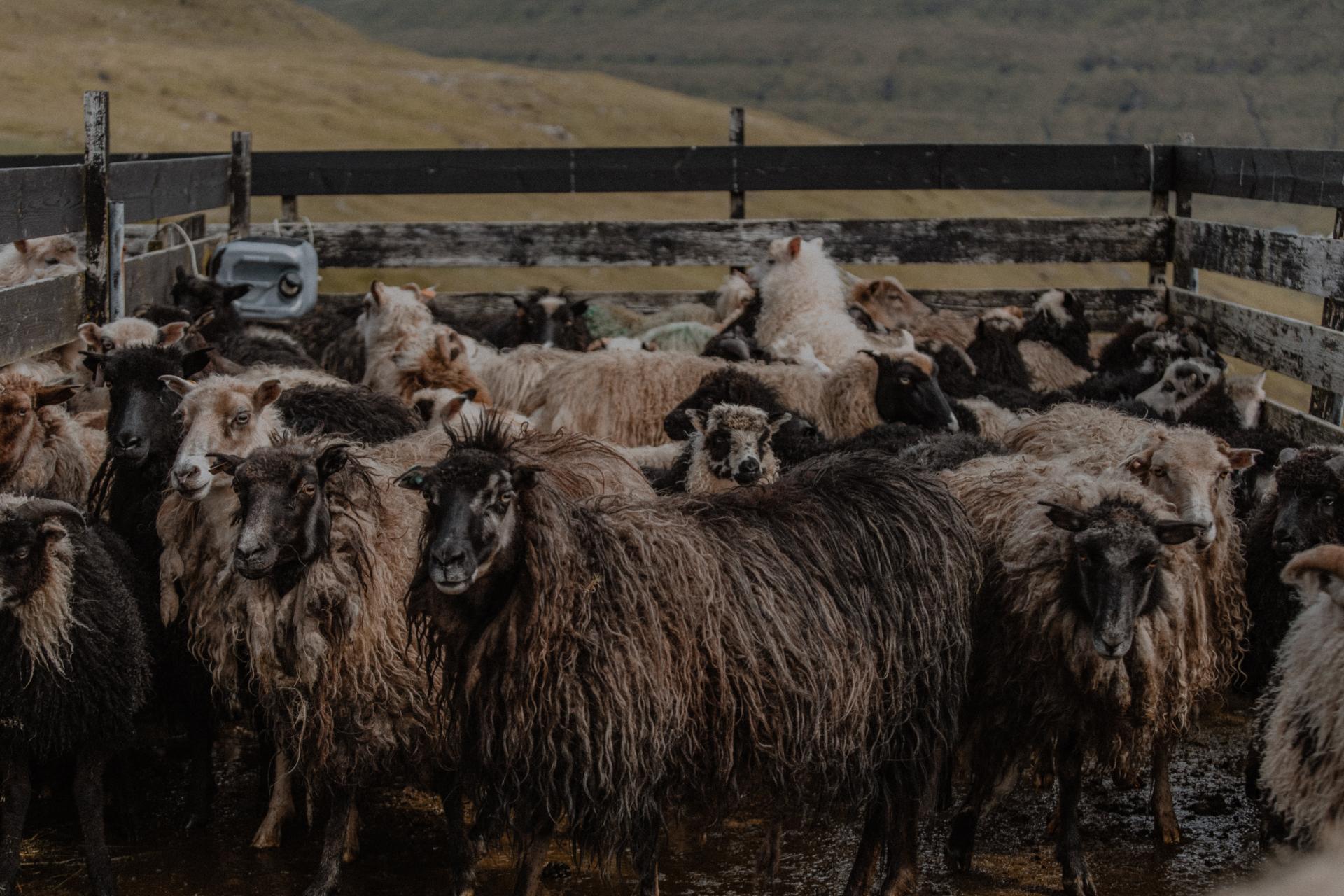
The sheep's Winter coat
i
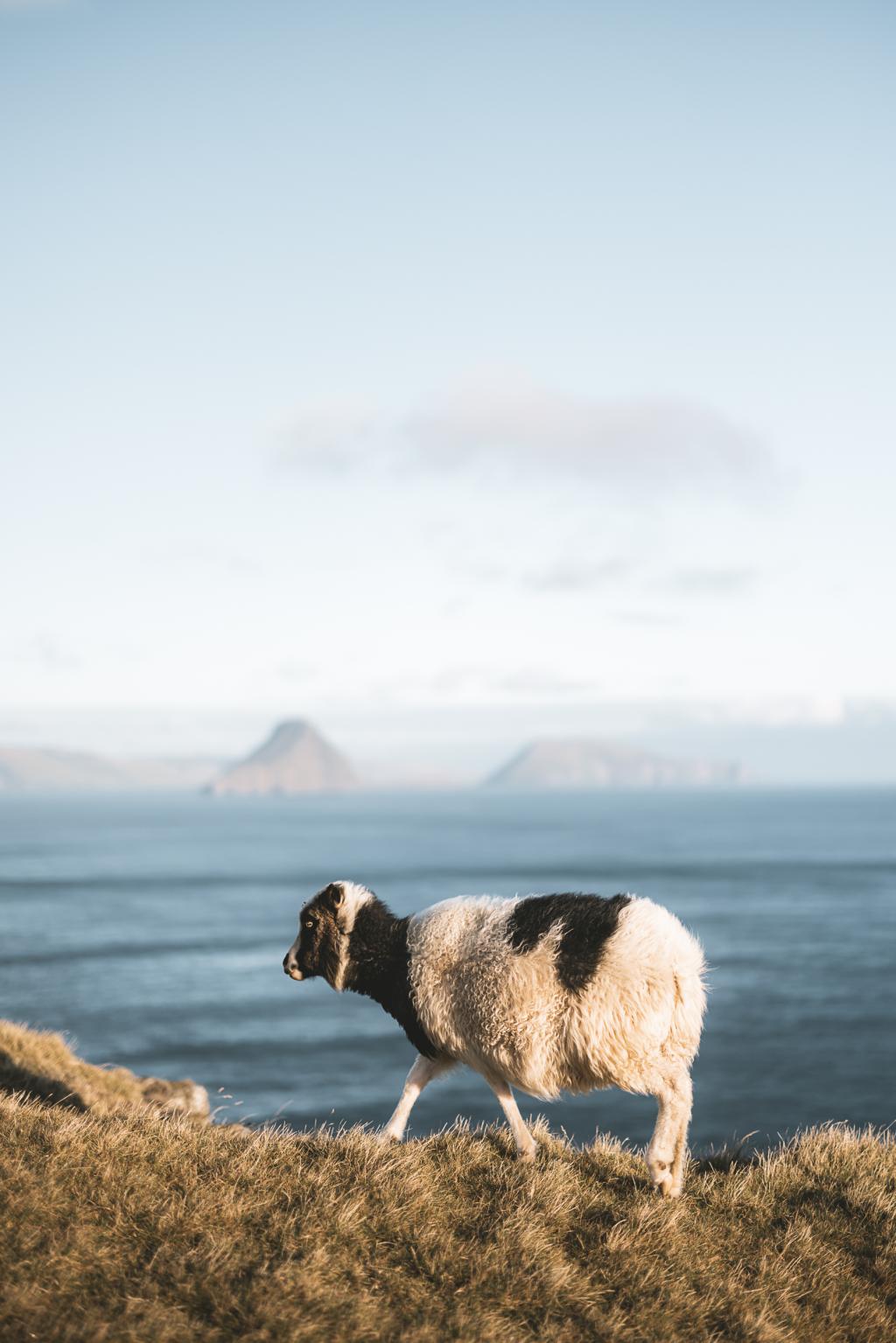
The sheep after sheering
i
Knitting Circles | A Community Tradition
Knitting circles have long been a cherished tradition in the Faroe Islands. They serve as social hubs where community members gather to share stories, skills, and laughter. These circles are integral to preserving knitting techniques and patterns unique to the Faroe Islands. As handmade garments continue to be valued, these gatherings foster a sense of belonging and cultural continuity, ensuring that the art of knitting remains vibrant and relevant in contemporary society.
Attend a knitting Club
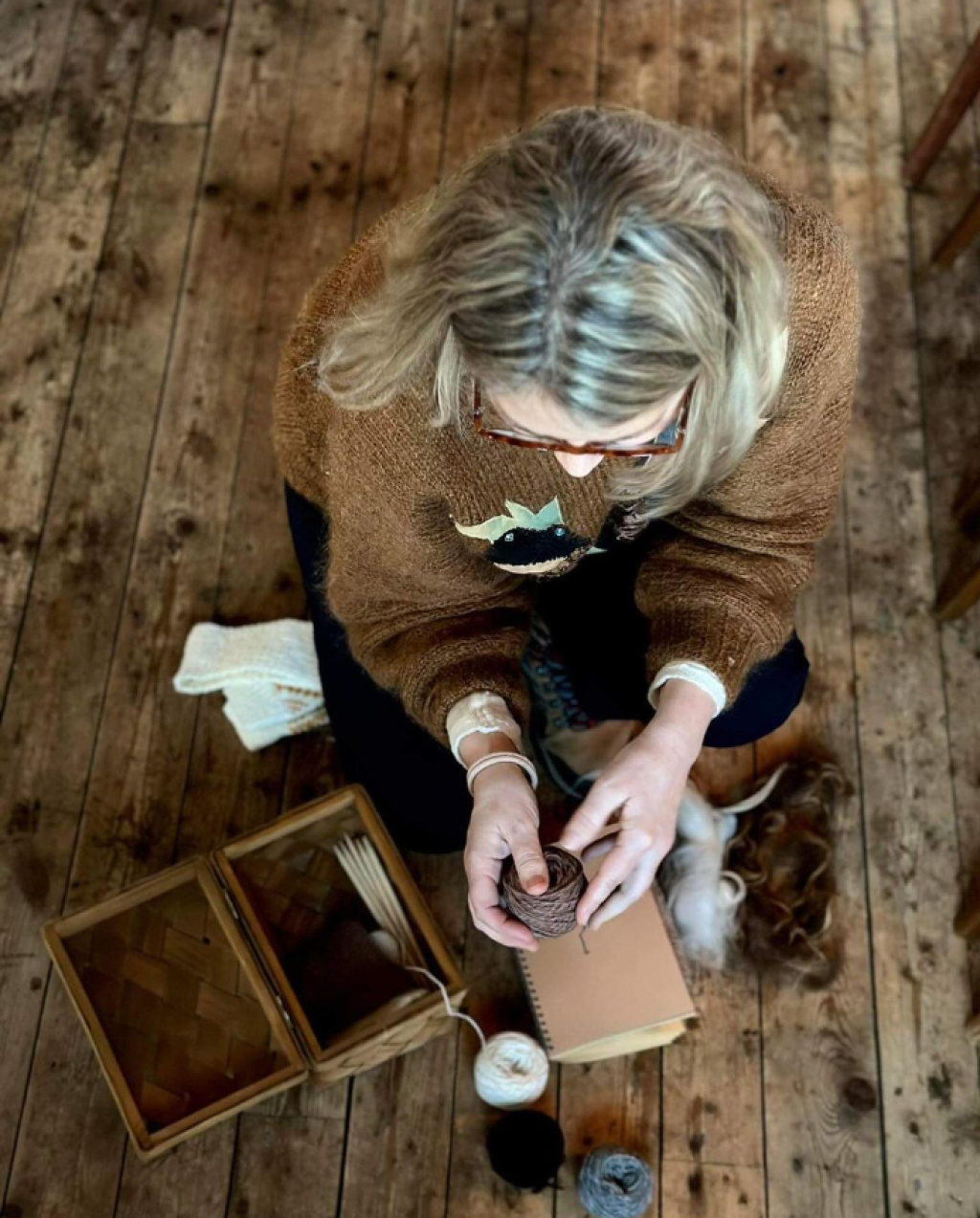
Skýming
Experience Skýming, an authentic Faroese knitting club in Tórshavn, blending tradition, culture, and cozy gatherings.
Tórshavn
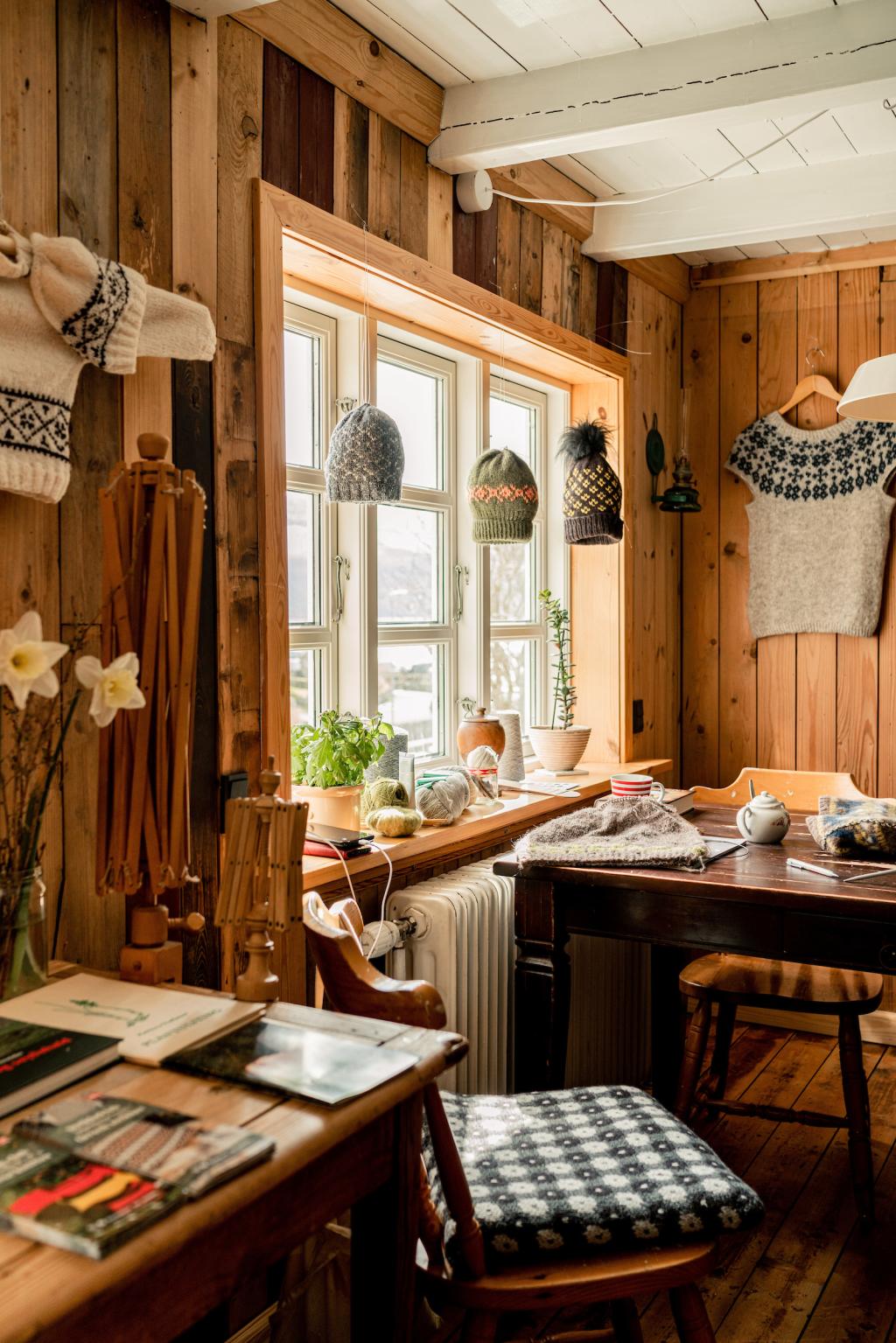
Kvívikknit
Discover Kvívikknit in the Faroe Islands: a cozy knitting club and hand-knitted goods with stunning views and expert guidance.
Streymoy
1912
Discover 1912 for unique locally handmade knitwear and authentic souvenirs in a historic Klaksvík building. Experience Faroese craft!
Norðoyggjar
Lávusarhús
Discover Lávusarhús, a cosy Arts & Crafts shop in the Faroe Islands offering unique handcrafted local treasures.
Eysturoy
Fashion and the Future of Faroese Wool
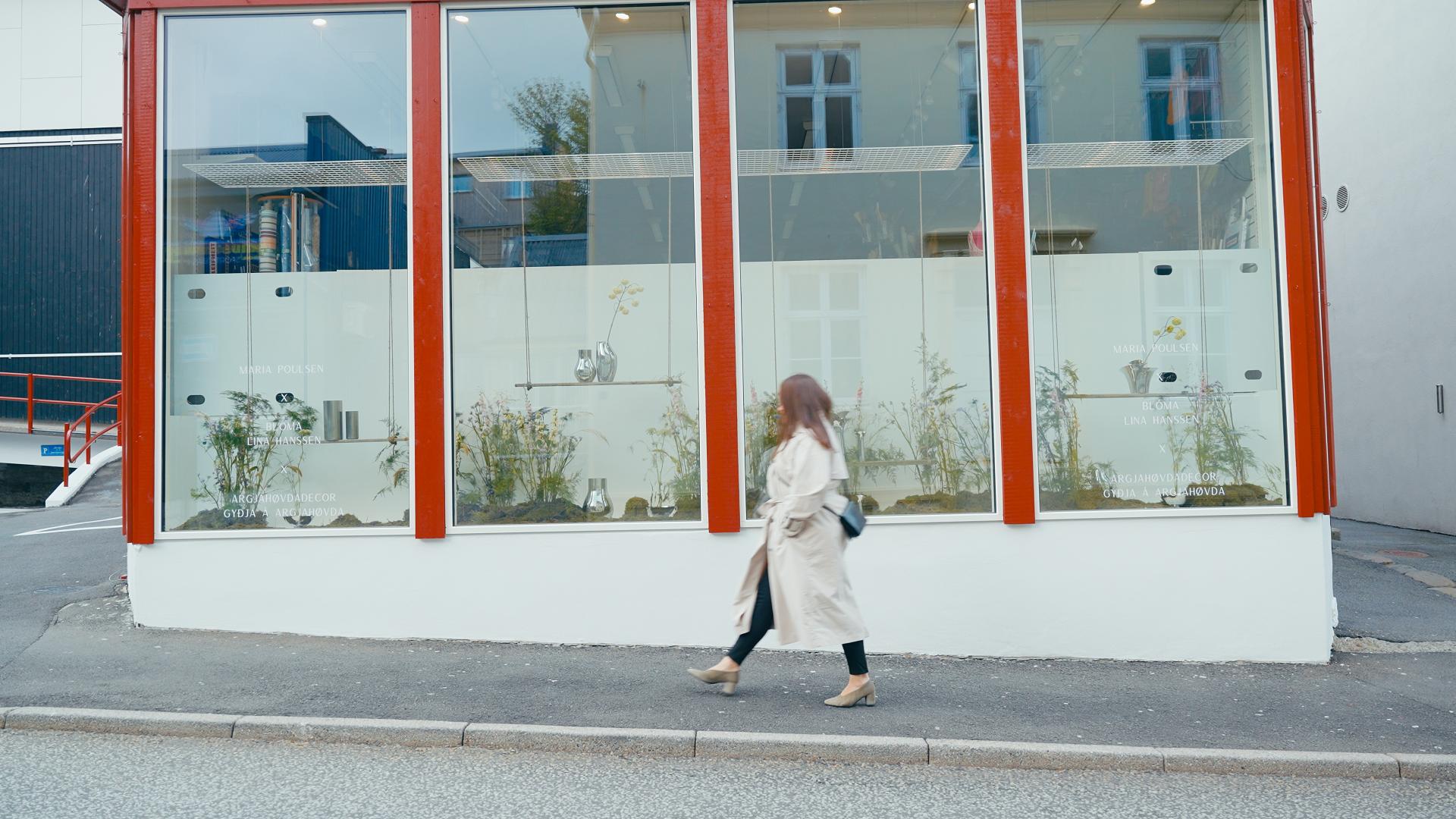
Today, while the economic landscape has evolved, wool remains an integral part of Faroese identity and craftsmanship. It continues to be cherished for its practicality and warmth, but it has also found a place in contemporary fashion, showcasing the blend of tradition and modernity.
Designers are reimagining traditional garments by incorporating contemporary styles and techniques, making wool a sought-after material in modern wardrobes. As the demand for sustainable and locally sourced materials grows, Faroese wool is poised to maintain its significance, ensuring that this cherished resource continues to thrive in the years to come.
For more on the story of Faroese wool, listen to Wool Wonders – a podcast episode sharing local voices and insights into this iconic material. Listen here.
Faroese Knitwear Designers

Ullvøruhúsið
Discover Ullvøruhúsið in Tórshavn – a unique wool store blending Faroese tradition with natural, handcrafted fashion.
Tórshavn

Einstakt
Einstakt offers classic, timeless Nordic clothing crafted sustainably in the Faroe Islands with a unique slow fashion approach.
Tórshavn

Guðrun & Guðrun
Guðrun & Guðrun offers exquisite hand-knit clothing for women, men, and children, crafted with Faroese traditions.
Tórshavn
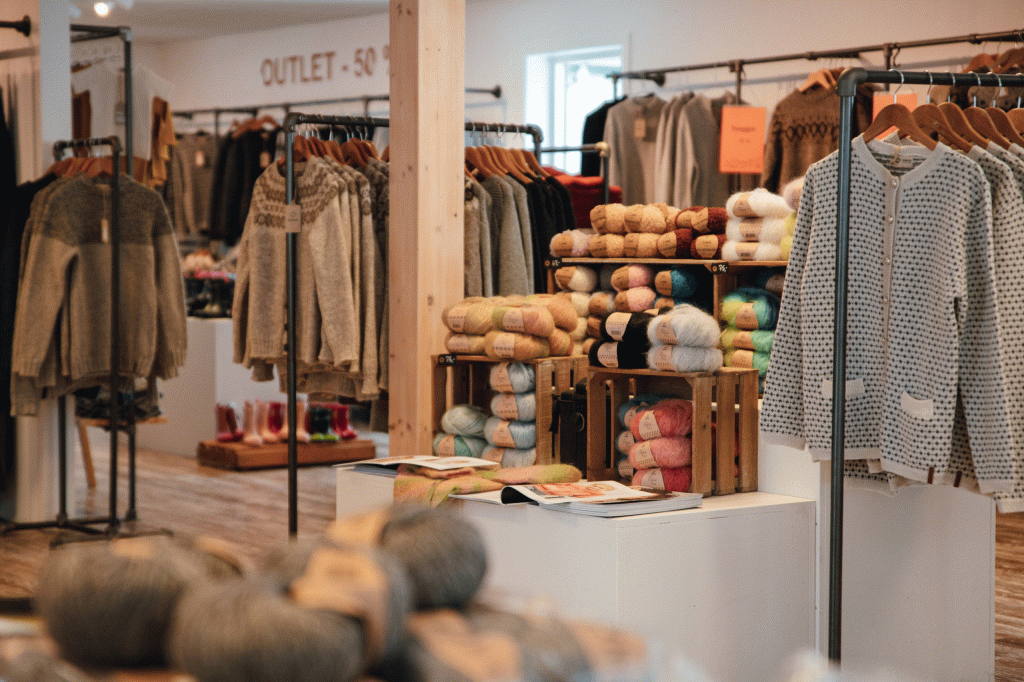
Navia
Navia is a top Faroe Islands yarn and sweater company crafting unique wool blends inspired by tradition and modern style.
Eysturoy
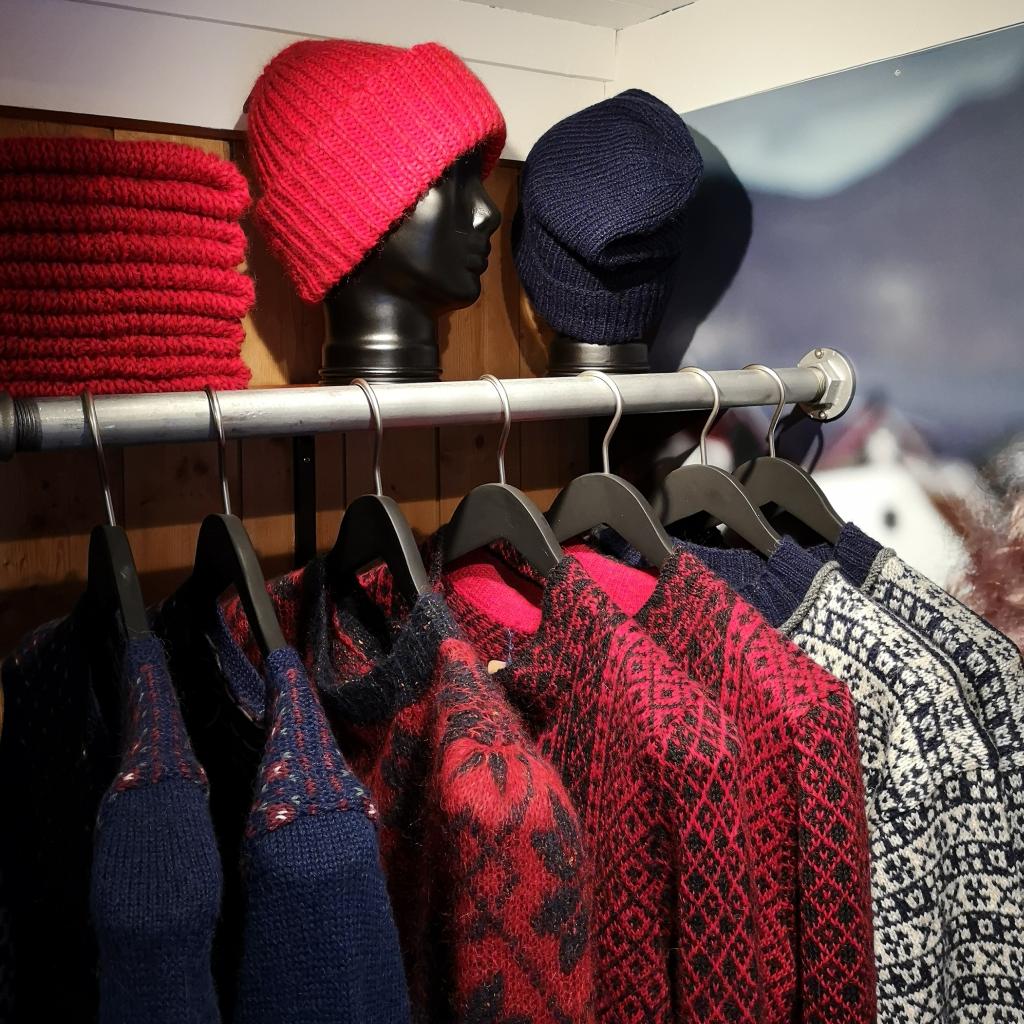
SVANHILD
SVANHILD: Discover a cosy designer boutique in Kvivik offering unique Faroese-inspired footwear, knitwear, and heartfelt stories.
Streymoy

Snældan
Snældan is the Faroe Islands’ only working spinning mill, crafting traditional wool and knitwear with four generations of family heritage.
Streymoy

REKA studio
REKA studio in Tórshavn offers simple, clean designs with unique details inspired by Faroese knitting traditions.
Tórshavn
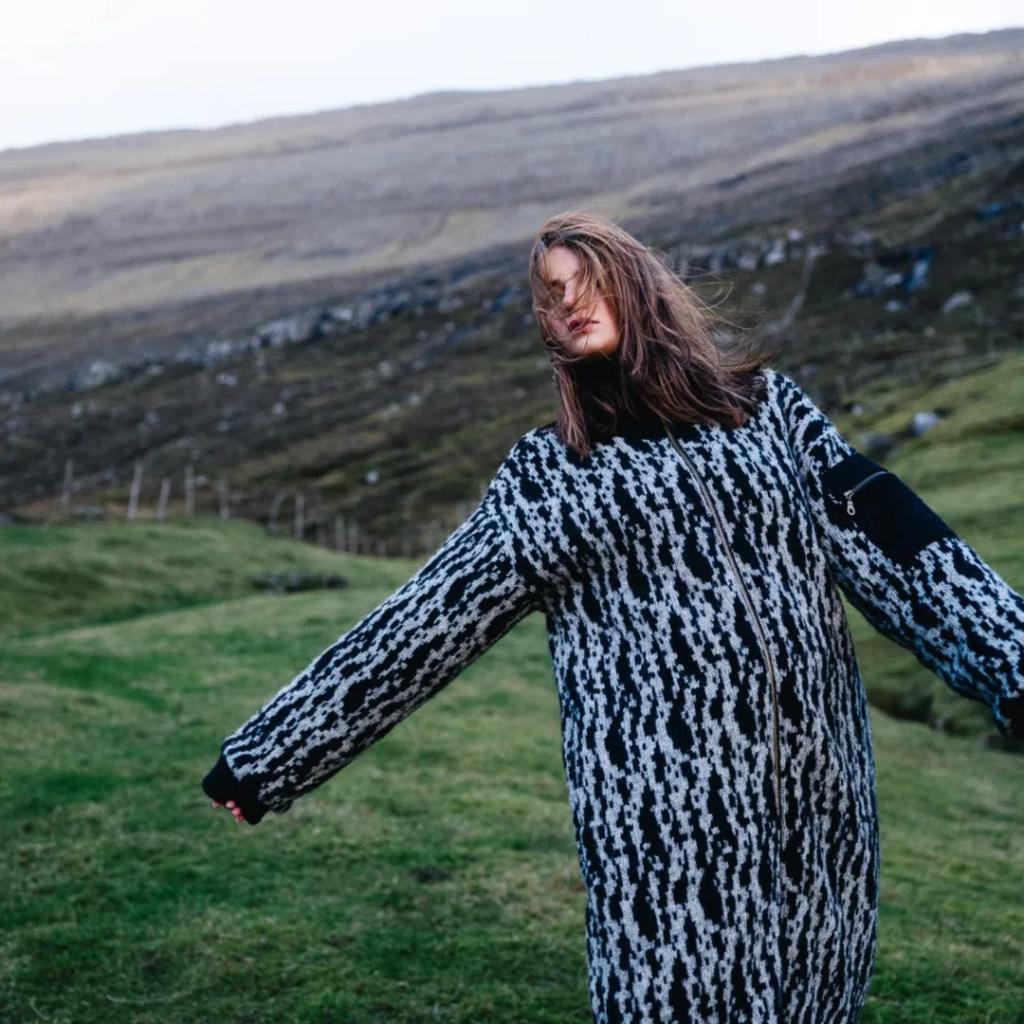
PROSJEKT BRYNJA
Discover PROSJEKT BRYNJA in the Faroe Islands – bold, art-like design blending textures and patterns for unique self-expression.
Tórshavn